
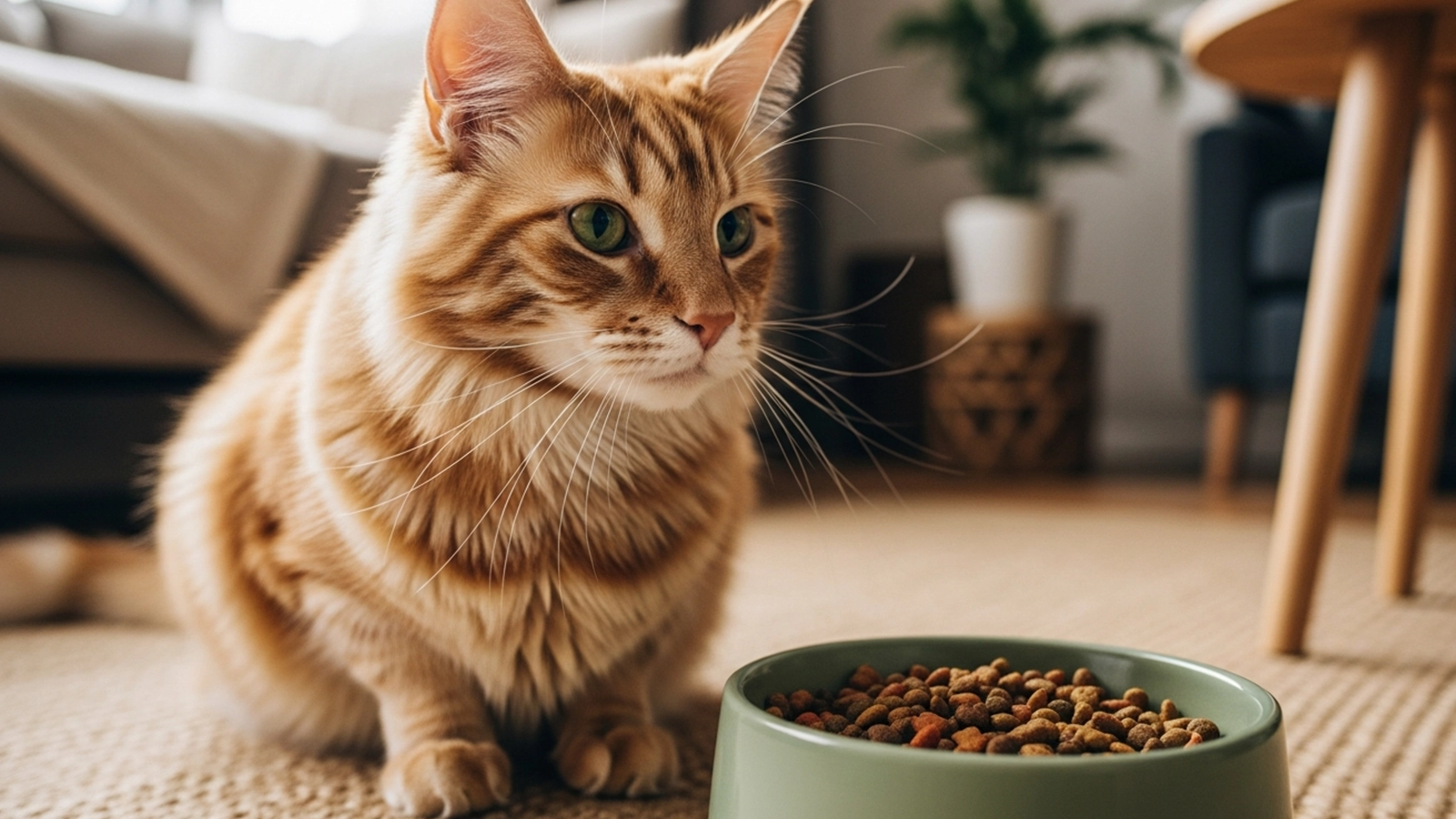
Indoor cats live quieter, safer lives—but nutritionally, their needs are anything but simple.
Without outdoor roaming, hunting, or high daily exertion, indoor cats rely entirely on what’s in their bowl to support muscle tone, metabolic health, emotional balance, and long-term vitality.
Protein plays a central role in all of this.
Yet many owners are surprised to learn that “more protein” isn’t always the same as “better protein,” and that the wrong high-protein food can quietly create problems over time. Understanding how protein works in the body of an indoor cat is the first step toward making smarter, calmer, more confident food choices.
Why Indoor Cats Still Need High Protein
Cats are obligate carnivores.
That means their bodies are biologically designed to run on animal protein—not carbohydrates, not fillers, and not plant-heavy substitutes.
Even indoors, cats use protein constantly for:
-
Maintaining lean muscle mass
-
Supporting immune function
-
Fueling organ repair and cell turnover
-
Producing enzymes and hormones
-
Regulating energy without blood sugar spikes
Unlike humans or dogs, cats can’t “store” protein efficiently. If intake drops or quality declines, the effects appear quickly—often subtly at first.
You might notice:
-
Reduced muscle tone despite stable weight
-
Low-grade lethargy or disinterest in play
-
Changes in coat texture or shedding patterns
-
Increased hunger paired with dissatisfaction after meals
These early signs are often mistaken for aging or temperament changes. In reality, they’re frequently nutritional signals.
Understanding how food supports both physical structure and emotional regulation becomes much clearer when you explore the deeper systems that quietly shape feline health, as explained in how nutrition fits into the unseen framework that supports a cat’s overall well-being.
Protein Quality Matters More Than Protein Percentage
One of the most common mistakes owners make is choosing food based solely on the crude protein number printed on the label.
A food boasting 40% protein may sound impressive—but the source of that protein determines whether it actually benefits your cat.
High-quality animal protein:
-
Contains complete amino acid profiles
-
Is highly digestible
-
Produces less metabolic waste
-
Supports muscle without stressing kidneys
Lower-quality protein sources often include:
-
Rendered meat meals with inconsistent sourcing
-
Excessive plant proteins (pea protein, corn gluten)
-
Byproducts with limited amino acid diversity
Cats can’t efficiently utilize plant-based protein. When these ingredients inflate the protein percentage, your cat may eat more but absorb less—leading to frustration, overeating, and nutrient imbalance.
A helpful mindset is to ask not how much protein a food contains, but how usable that protein truly is.
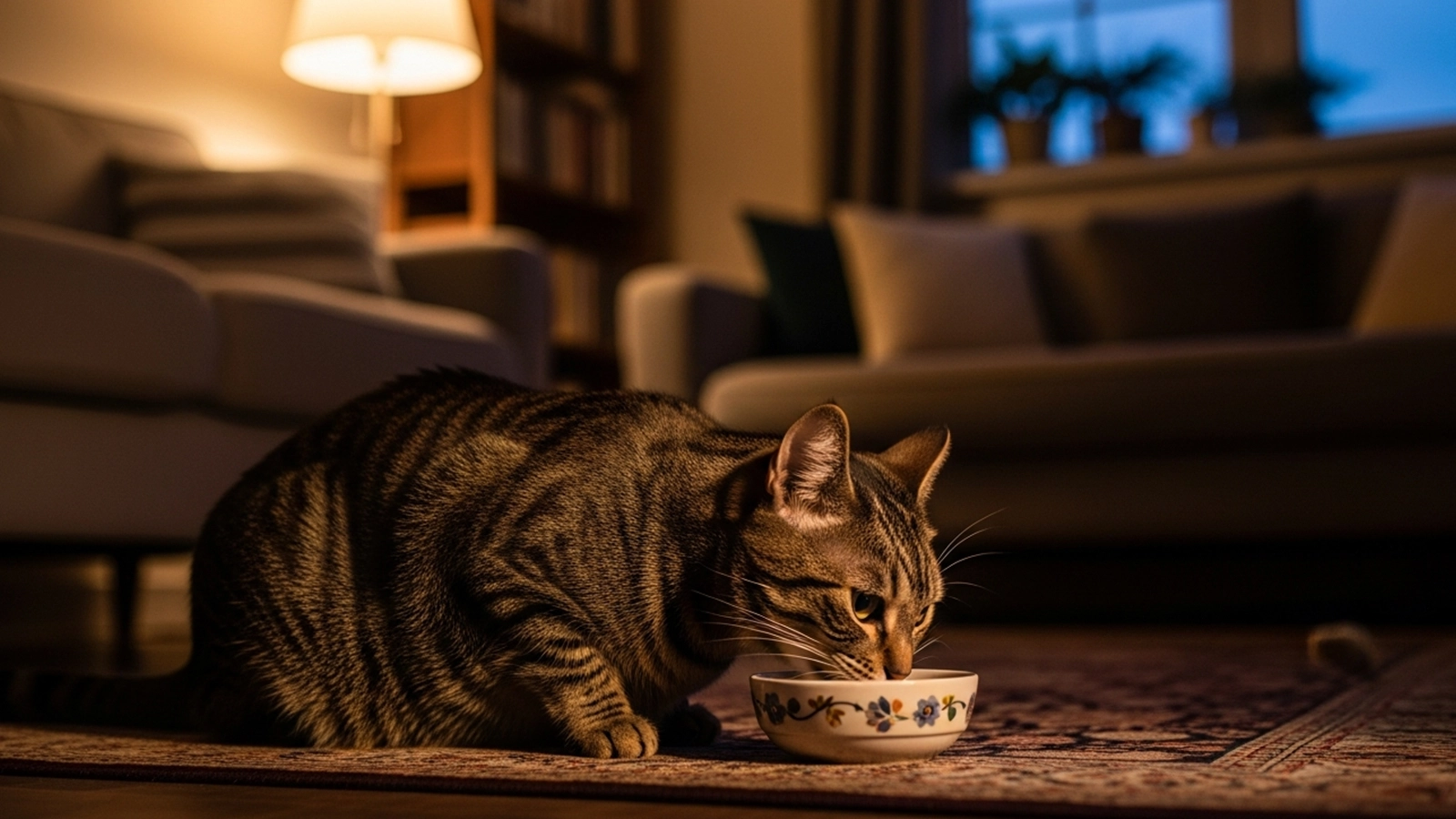
How Protein Needs Differ for Indoor Cats
Indoor cats don’t burn energy the same way outdoor cats do, but that doesn’t mean they need less protein.
They need appropriately balanced protein.
Indoor-specific considerations include:
-
Lower overall calorie needs
-
Higher risk of muscle loss with age
-
Greater sensitivity to carbohydrate-heavy diets
-
Increased importance of satiety and slow energy release
High-protein foods designed for indoor cats typically emphasize:
✔️ Moderate fat (not excessive)
✔️ Minimal fillers
✔️ Clean, animal-based protein sources
✔️ Ingredients that support digestion and hydration
This balance helps cats feel satisfied without gaining unnecessary weight—a key concern for indoor-only lifestyles.
Signs Your Indoor Cat May Benefit from Better Protein
Sometimes the best feedback doesn’t come from the label—it comes from your cat.
Watch for patterns such as:
-
Eating eagerly but begging again soon after
-
Soft stools or inconsistent digestion
-
Declining interest in toys or short play sessions
-
Subtle irritability or restlessness
These aren’t dramatic symptoms. They’re quiet ones. And nutrition is often the missing piece.
A simple protein upgrade—when done thoughtfully—can improve energy, mood stability, and physical resilience within weeks.
Reading Cat Food Labels Without the Confusion
Cat food packaging is designed to sell confidence, not clarity.
Here’s how to cut through the noise:
Focus on the first 5 ingredients
-
Named meats (“chicken,” “turkey,” “salmon”) should dominate
-
Avoid vague terms like “animal derivatives”
Check the protein source order
-
Animal proteins should appear before plant-based ones
Be cautious with buzzwords
-
“Grain-free” doesn’t automatically mean high-quality
-
“Premium” has no regulatory definition
Look for nutritional adequacy statements
-
This confirms the food meets feline dietary standards
Protein should work with the rest of the formula, not overpower it in a way that creates imbalance.
Common High-Protein Myths That Deserve Letting Go
Let’s clear up a few lingering misconceptions:
💡 “Indoor cats need less protein because they’re less active.”
False. Muscle maintenance depends on protein availability, not activity level alone.
💡 “High-protein diets damage kidneys.”
For healthy cats, quality protein does not cause kidney disease. Poor hydration and low-quality ingredients are bigger concerns.
💡 “More protein always equals better nutrition.”
Only when the protein is digestible, balanced, and species-appropriate.
Nutrition is rarely about extremes. It’s about alignment.
Choosing With Confidence, Not Fear
Food decisions feel heavy because we know they matter—and they do.
But when you understand how protein supports your indoor cat’s body and behavior, those decisions become calmer and clearer.
High-protein food isn’t a trend.
It’s a biological necessity—one that works best when paired with thoughtful formulation and attentive observation.
In the next section, we’ll explore how protein choices interact with feeding formats, digestion patterns, and daily rhythms—especially for cats that show signs of nighttime restlessness or overstimulation.
For now, remember this:
The best food doesn’t just meet numbers.
It supports the whole cat—quietly, consistently, and with respect for how indoor life truly works. 🐾
How Protein Choices Influence Energy, Digestion, and Daily Rhythms
Many indoor cat owners focus on what their cat eats, but fewer consider how protein intake shapes daily behavior patterns.
Protein doesn’t just build muscle—it directly influences energy release, satiety, digestion speed, and even sleep quality.
When protein quality or balance is off, the effects often show up during the quietest hours of the day.
Evenings become restless.
Nighttime pacing increases.
Early-morning hunger wakes the household.
These behaviors are rarely about “bad habits.” They’re biological responses to unmet nutritional needs.
Protein, Satiety, and the Feeling of Being “Done Eating”
Cats are designed to eat protein-rich prey in small, satisfying meals.
When food aligns with that design, cats walk away from the bowl feeling complete.
Low-quality or poorly balanced protein can interfere with this process by:
-
Digesting too quickly
-
Lacking essential amino acids that signal fullness
-
Being diluted by carbohydrates that spike and crash energy
The result is a cat that eats but never quite feels satisfied.
You may notice:
-
Returning to the bowl repeatedly
-
Vocalizing shortly after meals
-
Searching behavior late at night
-
Increased food obsession without weight gain
High-quality animal protein slows digestion just enough to provide steady energy while activating natural satiety hormones.
That sense of “I’m good” matters more than most people realize.
Dry vs. Wet Protein Sources: Why Format Changes the Experience
Protein doesn’t exist in isolation—it’s delivered through food format.
For indoor cats, this distinction is especially important.
Dry foods tend to be:
-
More calorie-dense
-
Faster to consume
-
Lower in moisture
-
More variable in protein bioavailability
Wet foods typically offer:
-
Higher moisture content
-
Slower eating pace
-
Improved hydration
-
Enhanced protein absorption
Neither format is inherently superior in all cases. The key is understanding how they affect digestion, energy release, and behavior over a 24-hour cycle.
Many owners begin to understand nighttime restlessness more clearly once they explore how food format and protein delivery affect digestion speed and stimulation patterns, as discussed in the broader comparison of how wet and dry foods shape long-term health and daily behavior.
For some indoor cats, a high-protein dry food alone creates energy spikes late in the evening.
For others, wet food without enough protein density leads to early hunger.
Balance—not loyalty to one format—is what matters.
Timing Protein Intake for Indoor Lifestyles
Indoor cats live by household rhythms, not natural hunting cycles.
That makes meal timing just as important as nutrient composition.
Protein-heavy meals eaten too early in the day may wear off by nightfall.
Meals eaten too late may overstimulate cats who are already sensitive to nighttime activity.
Helpful strategies include:
-
Dividing protein intake across 3–4 smaller meals
-
Offering the most satisfying meal in the early evening
-
Pairing high-protein meals with calm, predictable routines
Cats feel safer—and sleep better—when their bodies aren’t signaling hunger or energy imbalance after dark.
This is especially true for cats who:
-
Wake owners between 3–5 a.m.
-
Pace hallways at night
-
Seem alert but not playful
Often, these cats aren’t bored. They’re under-fueled or unevenly fueled.
Digestibility: The Missing Piece in “High-Protein” Claims
Not all cats digest protein equally well.
Indoor cats, in particular, may have more sensitive digestive systems due to lower activity levels and reduced gut motility.
Signs that a protein source isn’t digesting well include:
-
Soft or inconsistent stools
-
Gas or bloating
-
Excessive litter box odor
-
Increased shedding despite high protein intake
Highly digestible proteins—such as poultry, rabbit, or certain fish—tend to produce firmer stools and steadier energy.
Ingredients that often reduce digestibility:
-
Heavy plant protein concentrates
-
Artificial binders
-
Excessive fiber used to offset calorie density
If digestion struggles, the body can’t fully access the protein—no matter how impressive the label looks.
When High Protein Becomes Too Much
While protein is essential, excess without balance can overwhelm some indoor cats.
This may happen when:
-
Fat content is too high alongside protein
-
Meals are too large or infrequent
-
Hydration is insufficient
-
The cat is older or less metabolically flexible
Warning signs include:
-
Reduced appetite despite “premium” food
-
Nausea or food aversion
-
Lethargy after meals
These cats don’t need less protein—they need better distribution and hydration support.
Sometimes the solution is as simple as:
✔️ Adding wet food to increase moisture
✔️ Splitting meals more evenly
✔️ Choosing a cleaner protein source
Observing Behavior as Nutritional Feedback
One of the most valuable skills an indoor cat owner can develop is learning to read behavior as information—not inconvenience.
Ask yourself:
-
Does my cat settle calmly after meals?
-
Is nighttime activity playful or frantic?
-
Does hunger feel urgent or relaxed?
Cats don’t complain loudly when nutrition is slightly off.
They adjust—until they can’t.
When protein quality, format, and timing align, many indoor cats naturally:
-
Sleep more deeply
-
Show calmer nighttime behavior
-
Maintain muscle without weight gain
-
Appear more emotionally settled

Nutrition doesn’t just fuel the body.
It shapes the nervous system’s sense of safety.
In the final section, we’ll look at how protein choices influence trust, communication, and long-term emotional stability—especially for indoor cats who are sensitive, aging, or recovering from stress.
When food truly supports the whole cat, the changes are subtle—but profound. 🐾
Protein, Emotional Balance, and Long-Term Trust in Indoor Cats
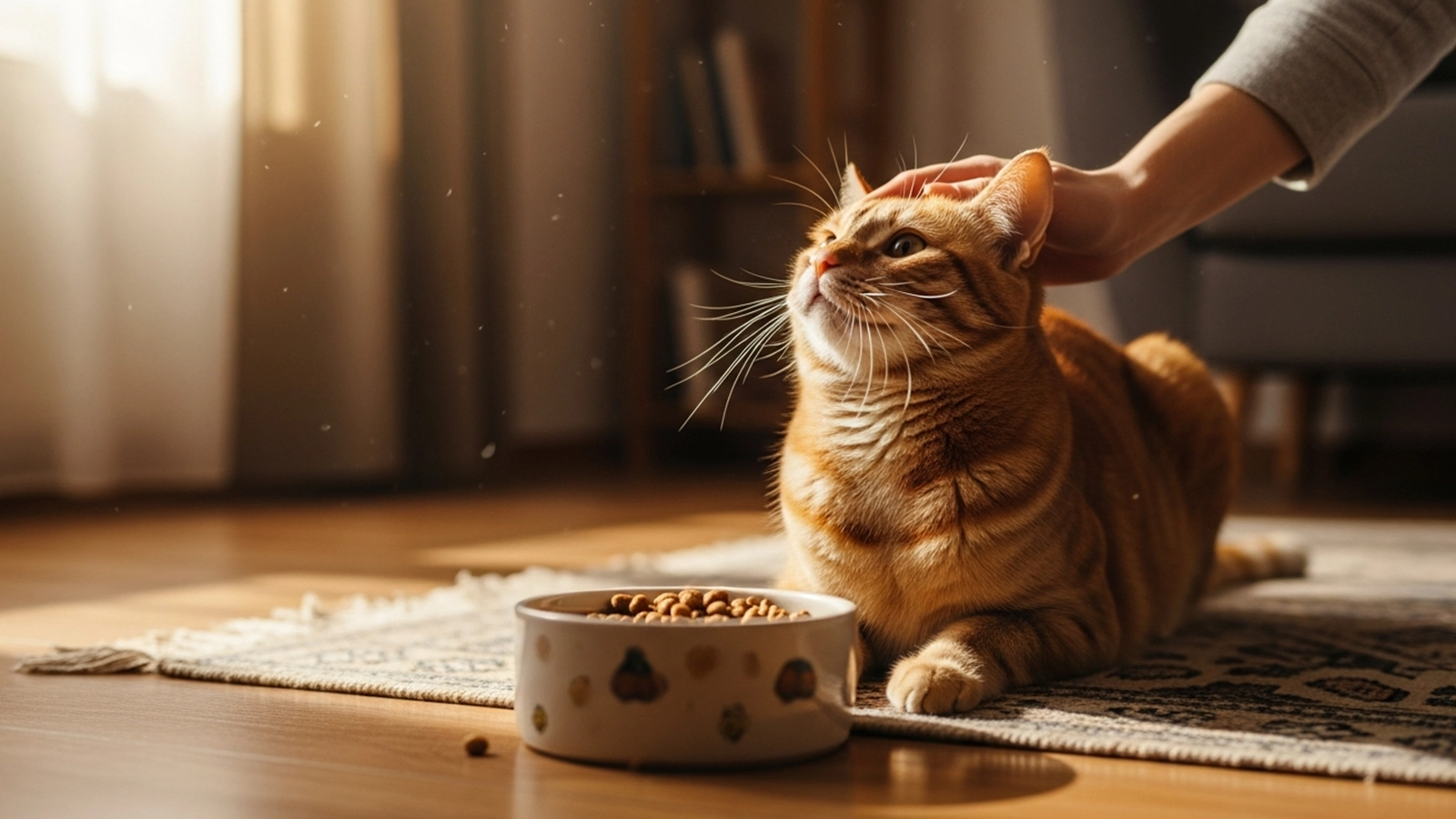
As indoor cats age—or simply settle deeper into their routines—the role of food shifts.
Nutrition stops being just fuel and becomes communication.
Cats don’t separate physical comfort from emotional safety.
When something feels off in the body, it quietly alters trust, patience, and tolerance for change.
Protein plays a surprisingly large role in this process.
How Protein Stability Supports Emotional Regulation
Consistent, high-quality protein helps regulate:
-
Blood sugar stability
-
Neurotransmitter production
-
Stress hormone responses
-
Muscle comfort and body awareness
When these systems are supported, cats feel internally predictable.
That predictability reduces vigilance—the constant low-level alertness many indoor cats live with.
You may notice:
-
Fewer sudden startle reactions
-
Improved tolerance for handling
-
Softer body language during routine care
-
More voluntary closeness
These shifts aren’t dramatic. They’re quiet returns to ease.
Food as a Trust Signal
For cats, food isn’t just nourishment—it’s a promise.
Each meal answers subconscious questions:
-
“Will this make me feel good afterward?”
-
“Will my body feel settled or unsettled?”
-
“Can I relax once I’ve eaten?”
When meals consistently deliver comfort, cats learn to trust not just the food—but the environment and the human providing it.
This is especially important for cats who have experienced:
-
Past digestive discomfort
-
Frequent diet changes
-
Weight fluctuations
-
Stress-related appetite loss
Over time, steady protein quality rebuilds confidence from the inside out.
Why “Complete & Balanced” Isn’t Just a Label
Protein doesn’t work alone.
Its benefits depend on how it interacts with vitamins, minerals, fats, and moisture.
A food that is genuinely complete and balanced ensures that:
-
Protein can be properly metabolized
-
Amino acids are supported by co-factors
-
No system is overworked to compensate for gaps
This balance is critical for long-term emotional stability, because nutritional deficiencies often first appear as behavioral sensitivity—not illness.
Cats rebuild trust in their bodies and environments more easily when their food reliably supports every system involved in digestion, energy, and emotional regulation, which is why understanding how nutritional balance quietly shapes confidence and communication patterns matters far beyond the ingredient list.
Aging Indoor Cats and Protein Sensitivity
As cats grow older, their relationship with protein becomes more nuanced.
They still need it—often more than younger cats—but they need it delivered gently.
Older indoor cats may benefit from:
-
Highly digestible animal proteins
-
Slightly increased moisture content
-
Smaller, more frequent meals
-
Reduced filler ingredients
When protein is easier to process, the body spends less energy managing discomfort and more energy maintaining calm.
Behavioral signs of improved protein alignment in senior cats include:
✔️ Longer, deeper sleep cycles
✔️ Improved grooming habits
✔️ Reduced irritability
✔️ More stable appetite
These changes often restore a sense of familiarity—both for the cat and the owner.
When Food Supports Communication
Cats communicate through subtle shifts:
-
Eye softness
-
Tail positioning
-
Pace of movement
-
Willingness to remain nearby
When protein intake supports physical comfort, these signals become clearer and more relaxed.
A cat that feels good internally doesn’t need to stay guarded.
Owners often describe this phase as their cat feeling “more themselves again.”
That’s not coincidence.
It’s biology meeting trust.
A Gentle Checklist for Choosing High-Protein Foods Going Forward
Before settling on a long-term food, ask:
-
Does my cat stay satisfied between meals?
-
Is digestion consistently comfortable?
-
Does behavior feel calmer after eating?
-
Is energy steady rather than spiky?
If the answers are mostly yes, you’re on the right path.
Remember:
The best high-protein food isn’t the most extreme—it’s the most supportive.
A Warm Final Thought 💛
Indoor cats give us quiet companionship.
They ask for little—but depend on us completely.
When protein is chosen with care, food becomes more than nutrition.
It becomes reassurance.
Reassurance that the body is safe.
Reassurance that routines are reliable.
Reassurance that rest is allowed.
And when cats feel safe enough to rest, everything else falls into place. 🐾✨
Further trusted reading: