

Understanding Cat Body Language: A Complete Guide
Cats communicate constantly—but their language is silent, sophisticated, and layered with meaning. While humans rely heavily on spoken words, cats express their feelings through posture, movement, facial tension, tail position, ear orientation, and even the way they breathe. 🐾
Understanding this non-verbal communication doesn’t just help you read your cat—it helps you build trust, reduce stress, and strengthen your bond more deeply than you might imagine. A cat whose signals are understood becomes more confident, affectionate, and relaxed in its home environment.
Yet many owners unintentionally misread feline cues. A swishing tail isn’t always playful. A purr isn’t always contentment. A belly display doesn’t necessarily invite touch. The deeper you explore feline body language, the clearer the emotional landscape becomes.
Why Understanding Body Language Matters
Cats have evolved to hide vulnerability. In the wild, showing pain or fear could make them easy targets for predators. That instinct still shapes their communication today. This is why even loving, well-socialized cats rarely express discomfort as obviously as dogs do.
Learning feline body language allows you to:
-
Recognize fear or anxiety before it escalates
-
Strengthen emotional trust
-
Avoid common misunderstandings
-
Create a safer, calmer household
-
Improve multi-cat harmony
-
Detect early signs of pain or illness
-
Offer affection at the right moment
Body language is a cat’s truth. It reveals what they feel long before they act on it.
How to Observe a Cat’s Signals
Cats rarely communicate with just one body part. Instead, they express themselves through full-body combinations. For example:
-
Ears forward + soft eyes + upright tail = friendly and curious
-
Arched back + puffed fur + wide pupils = scared and defensive
-
Relaxed loaf + slow blinking = safe, content, trusting
To read your cat accurately, you must take in the entire posture—not just one piece of it.

Ears: The Emotional Antennas
A cat’s ears are extremely expressive. Their flexibility lets cats communicate subtle emotional states.
Ears Forward
Curiosity, interest, and alertness. Cats exploring unfamiliar spaces or watching birds often hold this posture.
Ears Sideways (“Airplane Ears”)
Unease or mild irritation. This posture often appears when a cat is overstimulated or unsure about an interaction.
Ears Flat
Fear, defensiveness, or high stress. If a cat’s ears are pinned tightly, give them space immediately.
Ears Rotating
Processing sounds or heightened vigilance. Not always negative—sometimes cats simply tune in to distant noises humans can’t hear.
Eyes: The Windows to Feline Emotion
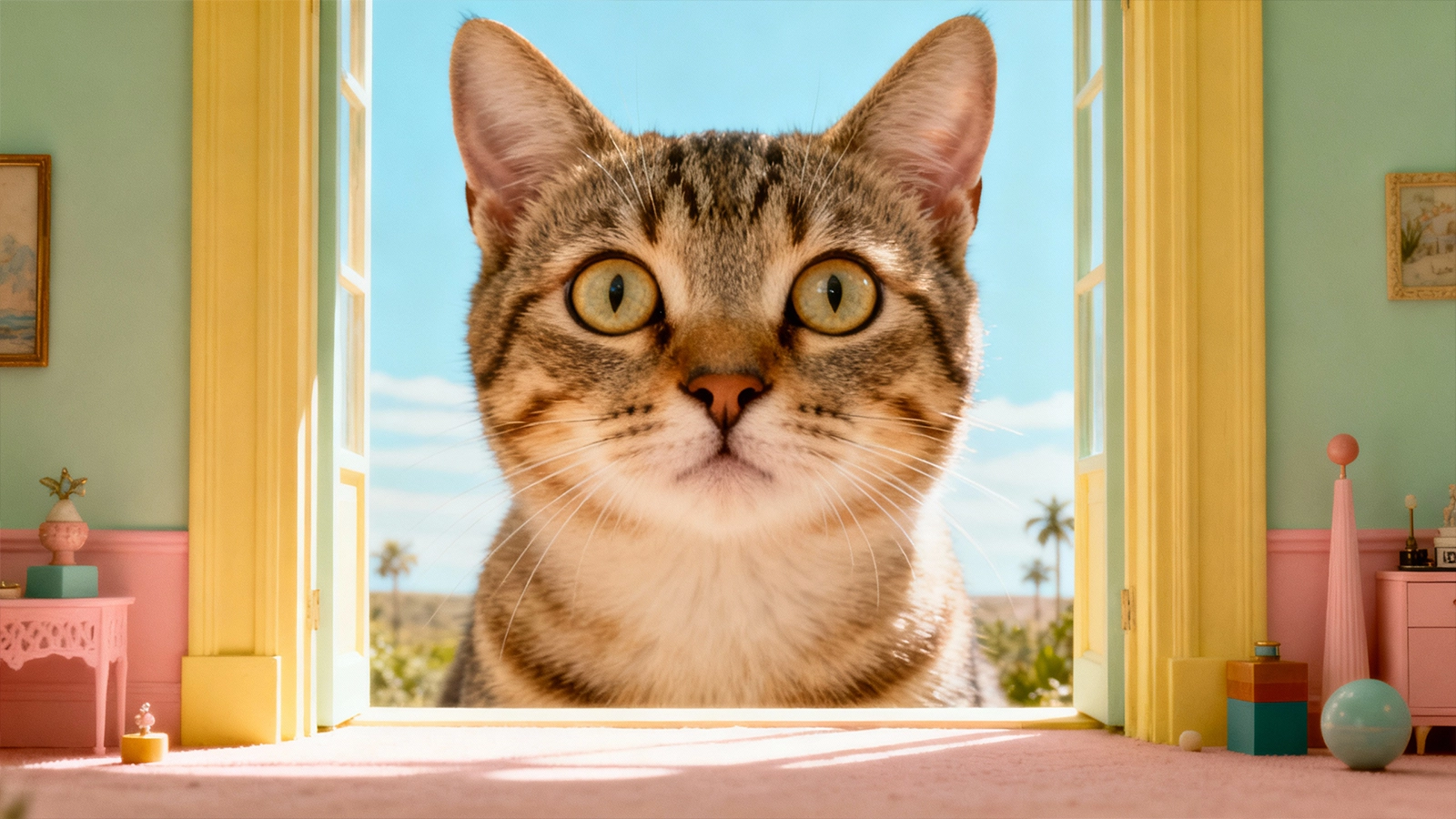
Cats communicate through pupil size, blinking speed, and eyelid tension.
Slow Blinks 😺💛
One of the sweetest gestures in feline communication. A soft, slow blink means trust and relaxation. Return the gesture to deepen your bond.
Dilated Pupils
Excitement, fear, or play-drive activation. Dilated pupils during play are normal; dilated pupils during conflict signal distress.
Narrow Pupils
Focus, irritation, or potential aggression. Also common in bright light, so context matters.
Direct Staring
A challenge between cats. With humans, it may reflect curiosity—but can also mean the cat is trying to anticipate what you’ll do next.
Tails: The Most Expressive Body Part
The tail acts like an emotional barometer. But tail signals can be counterintuitive to new cat owners.
Tail Straight Up
Friendly greeting, confidence, positive mood. Kittens use this posture toward their mothers.
Tail in Question-Mark Shape
Playful curiosity. Perfect moment for interactive toys.
Tail Puffed
Fear or defensiveness. Cats try to appear larger in threatening situations.
Tail Swishing
Irritation or overstimulation. A cat being petted may start tail-flicking to signal it has had enough.
Tail Tucked
Anxiety, submission, or feeling unsafe.
Overall Body Posture
Body posture reveals how safe or threatened a cat feels.
Relaxed & Open
Soft muscles, loose limbs, slow breathing. Indicates comfort and trust.
Loaf Position
Paws tucked neatly under the chest. A secure and peaceful state—your cat feels safe enough to rest lightly.
Crouched
Uneasy, unsure, or preparing to flee. Cats often crouch when evaluating new visitors or sounds.
Arched Back
Can be fear (if fur is puffed) or playfulness (if fur is smooth).
Sideways Body
Indicates uncertainty or conflict avoidance. The cat wants an escape option.
Facial Tension & Whisker Position
Whiskers do more than detect movement—they reveal emotion.
Whiskers Forward
Interest, excitement, or hunting mode.
Whiskers Relaxed
Contentment and emotional balance.
Whiskers Pulled Back
Fear, discomfort, or pain. Combine this with ear and eye cues for clearer interpretation.
Social Communication Between Cats
Cats are not solitary in the domestic environment; many form strong social bonds.
Rubbing & Bunting
A sign of affection and scent-sharing. When a cat rubs its head against you, it’s marking you as part of its social group.
Parallel Sitting
Indicates peaceful coexistence. Cats don’t need constant touching to show connection.
Tail Twining
A feline version of holding hands.
Allogrooming
Mutual grooming strengthens emotional bonds.
Overstimulation: Why Cats Sometimes React Suddenly
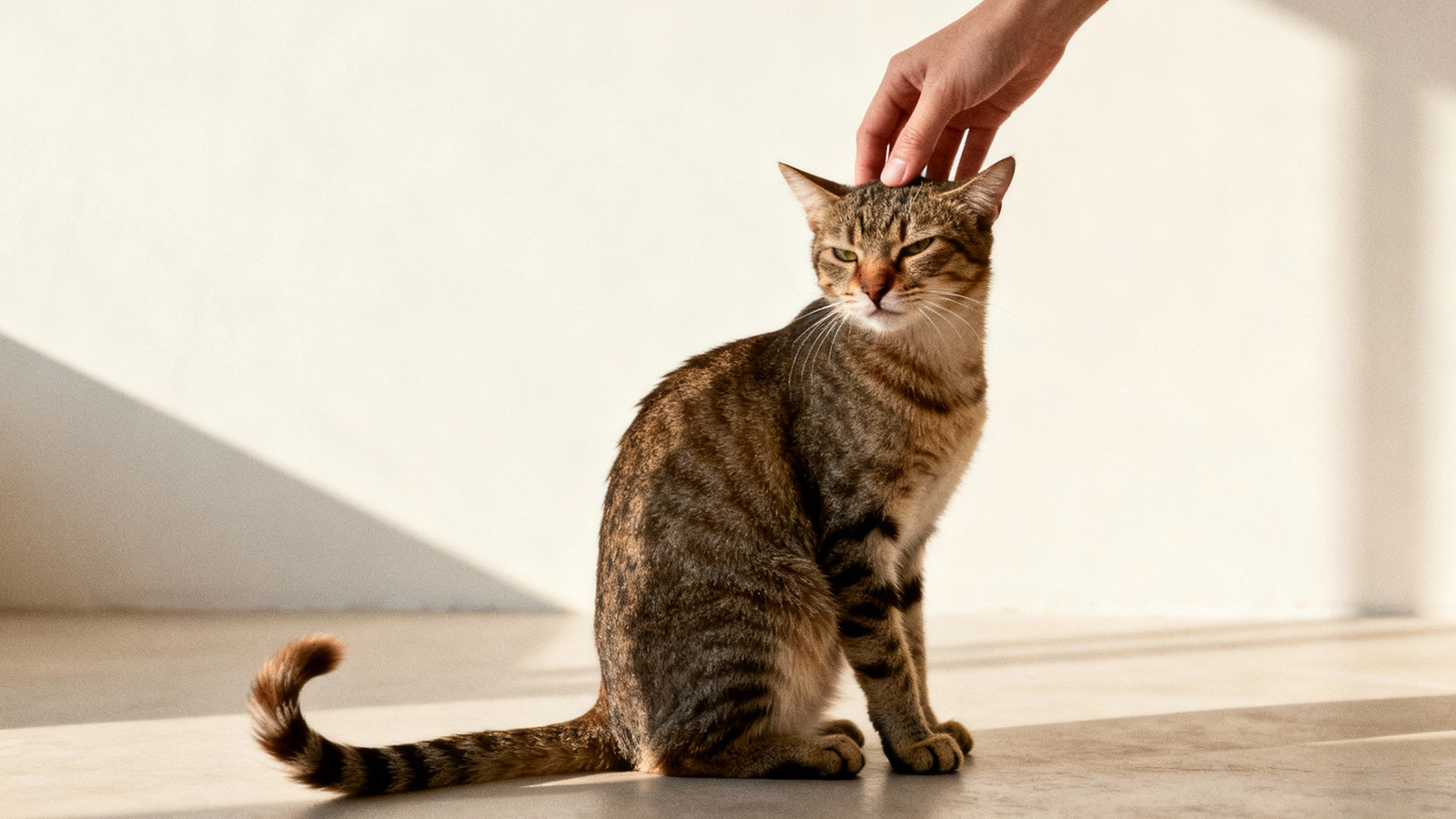
Cats have sensory thresholds. Petting that feels good at first can become uncomfortable quickly.
Signs of Petting Overload
-
Tail flicking
-
Ears shifting sideways
-
Skin rippling
-
Sudden head turns toward your hand
-
Tension in shoulders or back
This isn’t aggression—it’s communication. Respecting these signals prevents escalation and builds trust.
 Stress, Fear, and Anxiety Signals
Because cats hide vulnerability, early stress indicators are often subtle.
Common Signs
-
Flattened ears
-
Tucked tail
-
Dilated pupils
-
Low crouched posture
-
Rapid grooming
-
Hissing or growling
Stress can stem from environmental changes, insufficient enrichment, conflict with other pets, or underlying health issues.
The Role of Context in Understanding Signals
A single posture never tells the full story. A swishing tail could be overstimulation—or simply concentration. Dilated pupils might signal fear—or playful excitement.
Context includes:
-
Environment
-
Recent events
-
Time of day
-
Cat’s personality
-
Relationship dynamics
-
Presence of other animals
Without context, interpretation becomes guesswork. With context, patterns emerge—and communication becomes beautifully clear.
How Cats Communicate With Humans
Cats use a blend of body language, scent marking, routines, and learned behavior to communicate with their favorite humans. While some signals mirror cat-to-cat interactions, many are adapted specifically for living with people.
Signs Your Cat Feels Safe With You 💛
-
Sleeping belly-up nearby
-
Slow blinking in your direction
-
Approaching you with an upright tail
-
Curling beside your legs during rest
-
“Inviting” you to follow through soft meows or head turns
-
Grooming your hair or hands
These actions aren’t random—they are trust signals. When a cat chooses to expose its vulnerable side (literally or emotionally), it reflects a deep level of security in the home environment.
Signs Your Cat Needs Space
Respect is fundamental in feline relationships. When cats feel crowded or overstimulated, they send gentle warning signs:
-
Turning their head away
-
Walking off in the middle of petting
-
Lowered or swirling tail
-
Ears tipping backward
-
Increased stillness or stiffness
One of the best ways to build trust is to let your cat decide when interactions begin and end. Cats thrive when humans respond to subtle cues without forcing affection.
Multicat Dynamics and Body Language
When multiple cats share a home, harmony depends heavily on the quality of their communication. Even cats who don’t cuddle can maintain healthy social bonds through body language that signals tolerance, respect, or companionship.
Healthy Social Behaviors
-
Resting in the same room
-
Taking turns with resources
-
Brief nose-touch greetings
-
Grooming each other occasionally
-
Relaxed posture during proximity
Cats who coexist peacefully may never appear cuddly, yet their calm presence around one another reflects comfort rather than competition.
Tension or Conflict Signals
-
Blocking pathways
-
Sustained staring
-
Chasing not rooted in play
-
Growling or spitting during encounters
-
One cat avoiding shared areas
Subtle body-language cues often surface weeks before conflict escalates. Early intervention—providing vertical space, extra enrichment, or additional litter areas—helps prevent long-term stress.
Body Language and Possible Health Issues
Because cats naturally mask discomfort, unusual body language is often the first sign that something is wrong.
Common Indicators of Pain or Illness
-
Withdrawing from family members
-
Reluctance to jump or climb
-
Hunched posture with tucked limbs
-
Rapid, shallow breathing
-
Strained facial expression
-
Persistent squinting
-
Decreased grooming or matted fur
Don’t ignore subtle shifts. A previously outgoing cat becoming withdrawn may be experiencing discomfort. Likewise, sudden irritability in a normally affectionate cat can reflect pain or internal stress.
Real-Life Examples That Bring Signals to Life
Understanding theory is helpful—but observing real patterns in everyday life makes body language even clearer.
🐈 Example 1: The Couch Companion
Bella loves lounging next to her guardian each evening. She enjoys chin rubs for a few minutes, but then her tail begins to flick sharply. Her ears shift sideways. She’s not annoyed; she’s simply saying, “I’m done.” Respecting this prevents overstimulation.
🐈 Example 2: The Shy New Arrival
When Jasper was adopted, he hid under the bed for days. His ears were pinned back, whiskers pulled tight, and posture low. As the home environment grew calmer and more predictable, he began loafing with his paws tucked, whiskers relaxed, and eventually issuing slow blinks from across the room. These tiny shifts showed progress long before he approached physically.
🐈 Example 3: The Playful Hunter
Zoe often performs the classic pre-pounce wiggle, with narrowed pupils and whiskers angled forward. Though intense, her overall posture remains loose and springy—clear signs of playful energy rather than aggression.
Reading Body Language in Different Contexts
Cats express themselves differently at various times of day, environmental conditions, and emotional states.
During Play
-
Dilated pupils
-
Loose, bouncy posture
-
Forward ears
-
Tail held in question-mark curve
During Rest
-
Slow breathing
-
Half-closed eyes
-
Loaf or side-sleeping posture
-
Whiskers in neutral position
During Stress
-
Crouched posture
-
Tight muscles
-
Tail tucked
-
Ears pulled back
During Exploration
-
Upright tail
-
Forward whiskers
-
Careful but confident steps
Understanding these states allows you to adjust your behavior, offer support, and create a safer space when needed.
Practical Tips for Responding to Feline Signals
✔️ Offer Choice and Control
Cats thrive when they have options: elevated resting spots, hideaways, and multiple safe paths around the home.
✔️ Keep Interactions Cat-Led
Offer your hand and wait for the cat to initiate. Avoid picking up cats who prefer all four paws on the ground.
✔️ Pet in Preferred Areas
Most cats enjoy gentle strokes around the cheeks, forehead, and base of the ears—less so belly or tail.
✔️ Let Them Walk Away
Ending interactions early shows respect and promotes healthier affection later.
✔️ Provide Mental Enrichment
Puzzle feeders, window perches, and hunting-style toys reduce tension and improve body-language clarity.
✔️ Observe Before Responding
Small changes in posture or facial tension often tell you more than vocalizations.
How Slow Blinking Builds Connection
Few gestures strengthen trust as effectively as the slow blink. When a cat:
-
Softens its eyes
-
Slowly closes them
-
Keeps its body relaxed
-
Reopens them calmly
…it’s offering one of the clearest signs of affection. Return the blink to communicate safety and companionship in a way cats instinctively understand.
Building a Home That Encourages Healthy Body Language
Your environment shapes your cat’s emotional comfort. A cat-friendly home includes:
-
Vertical climbing structures
-
Multiple cozy hideaways
-
Stable, predictable routines
-
Accessible litter areas
-
Safe window views
-
Scratching posts with both vertical and horizontal surfaces
-
A mix of active and quiet spaces
When cats feel secure in their territory, their body language naturally shifts toward softness—loose tails, relaxed muscles, gentle expressions. Safety is the foundation of trust.
Conclusion: Fluency in the Silent Feline Language
Every flick of a tail, tilt of an ear, and narrowing of an eye tells a story. Cats may not speak our language verbally, but their bodies communicate with remarkable clarity once you learn how to listen.
By understanding these cues, you can:
-
Respond to your cat’s needs with confidence
-
Reduce stress and misunderstandings
-
Strengthen the emotional bond you share
-
Identify early health concerns
-
Create a peaceful, enriched home
Over time, you’ll begin noticing the quiet nuances—the soft whisker shift, the slight posture change, the gentle blink—that reveal how deeply your cat trusts you.
Your cat has always been communicating.
Now, you’re fluent enough to understand. 🐾💛
External Resources for Further Learning
https://cats.com/cat-body-language-guide
https://www.aspca.org/pet-care/cat-care/common-cat-behavior-issues