

Do Cats Recognize Their Owners? A Science-Backed Guide
Cats often get described as independent, mysterious, or even a little cold. They don’t always come when called. They sometimes walk away in the middle of being petted. And yet, many owners feel there is a real bond there—something quiet but very real.
So what’s the truth?
Yes, cats do recognize their owners. They just do it in a way that is very different from humans or dogs.
Instead of relying mainly on faces, cats use a layered system based on scent, sound, routine, and emotional memory. To your cat, you’re not just “the person who fills the bowl.” You’re a familiar pattern in their world: how you smell, how you move, how you sound, and how life feels when you are around.
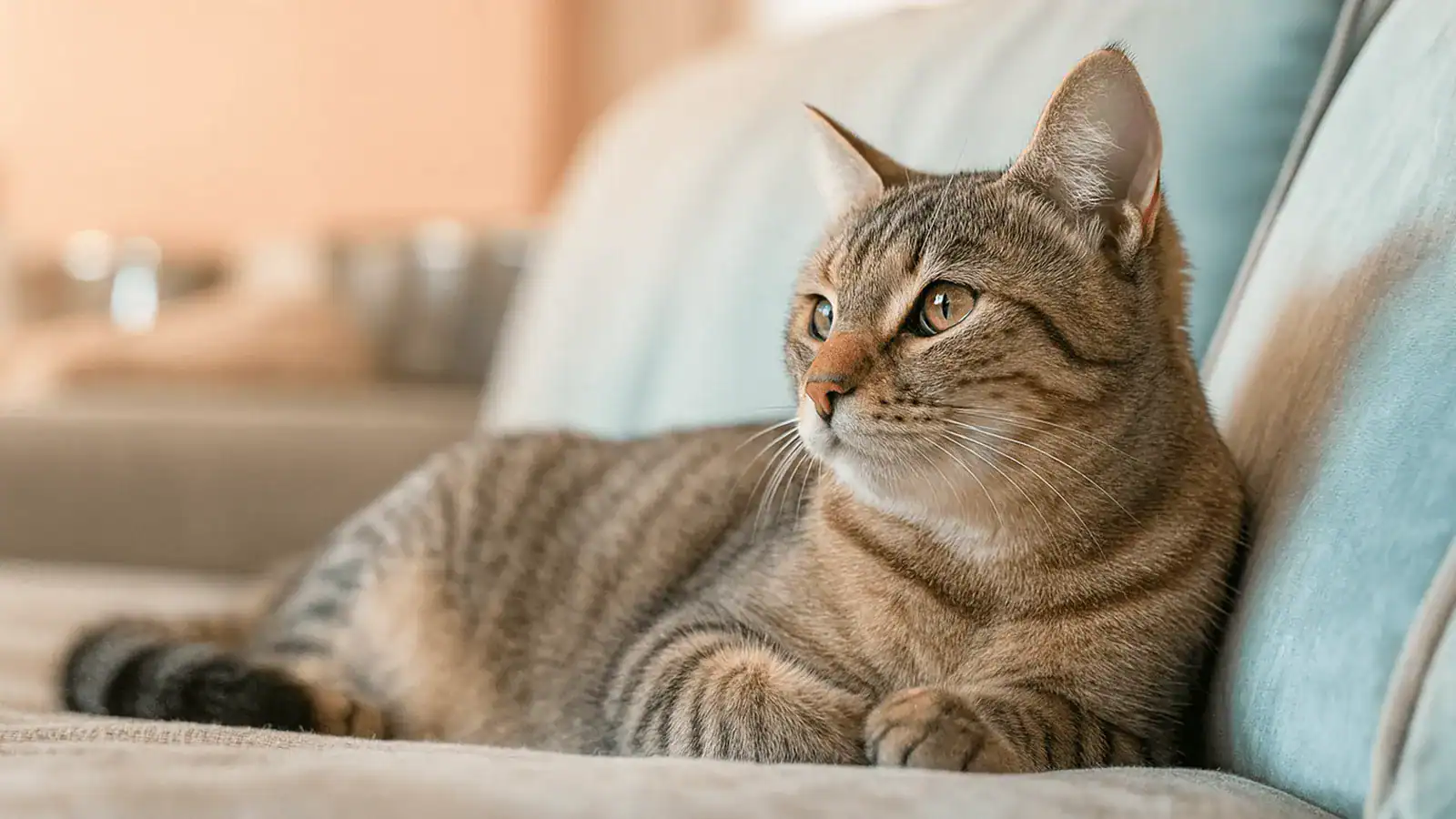
Once you start looking at your relationship through your cat’s senses instead of your own, a lot of their behavior suddenly makes sense—and many small, everyday moments reveal themselves as clear feline trust signals.
Scent: The Main Way Cats Know It’s You
If humans live in a visual world, cats live in a scented one. Their nose is far more sensitive than ours, and they also have a vomeronasal organ (Jacobson’s organ) that helps them process chemical cues.
Your cat creates a “scent profile” of you over time. It includes:
-
the natural smell of your skin
-
your hair and body products
-
your laundry detergent
-
the smell of your bed, sofa, and favorite chair
-
the traces you leave on doors, blankets, and furniture
All of this blends into one thing: you.

This is why your cat:
-
curls up on your clothes
-
sleeps on your side of the bed
-
steals your warm seat as soon as you stand
-
rubs against your legs when you walk past
They’re surrounding themselves with your scent because it feels safe and familiar.
Why Cats Rub Their Face on You
When your cat rubs their cheeks or forehead against you, it’s called bunting. They’re spreading pheromones from special scent glands and, at the same time, picking up more of your smell. It’s a quiet but powerful message:
“You belong in my social group. You are part of my safe world.”
When Your Scent Changes
If you come home smelling like a vet clinic, strong perfume, cleaning chemicals, or another animal, your cat might seem unsure for a moment. They still recognize your shape and voice, but their scent-based picture of you feels “off.” Once your usual smell returns, their confidence does too.
Voice and Sound: Recognizing How You Sound
Cats are very good at recognizing familiar voices. Studies have shown that they respond differently to their owner’s voice than to the voice of a stranger, even if they don’t walk over or meow in response.
Instead, they show subtle reactions:
-
a quick ear twitch
-
a brief pause in grooming
-
a small head turn
-
eyes widening slightly
-
a change in tail tip movement
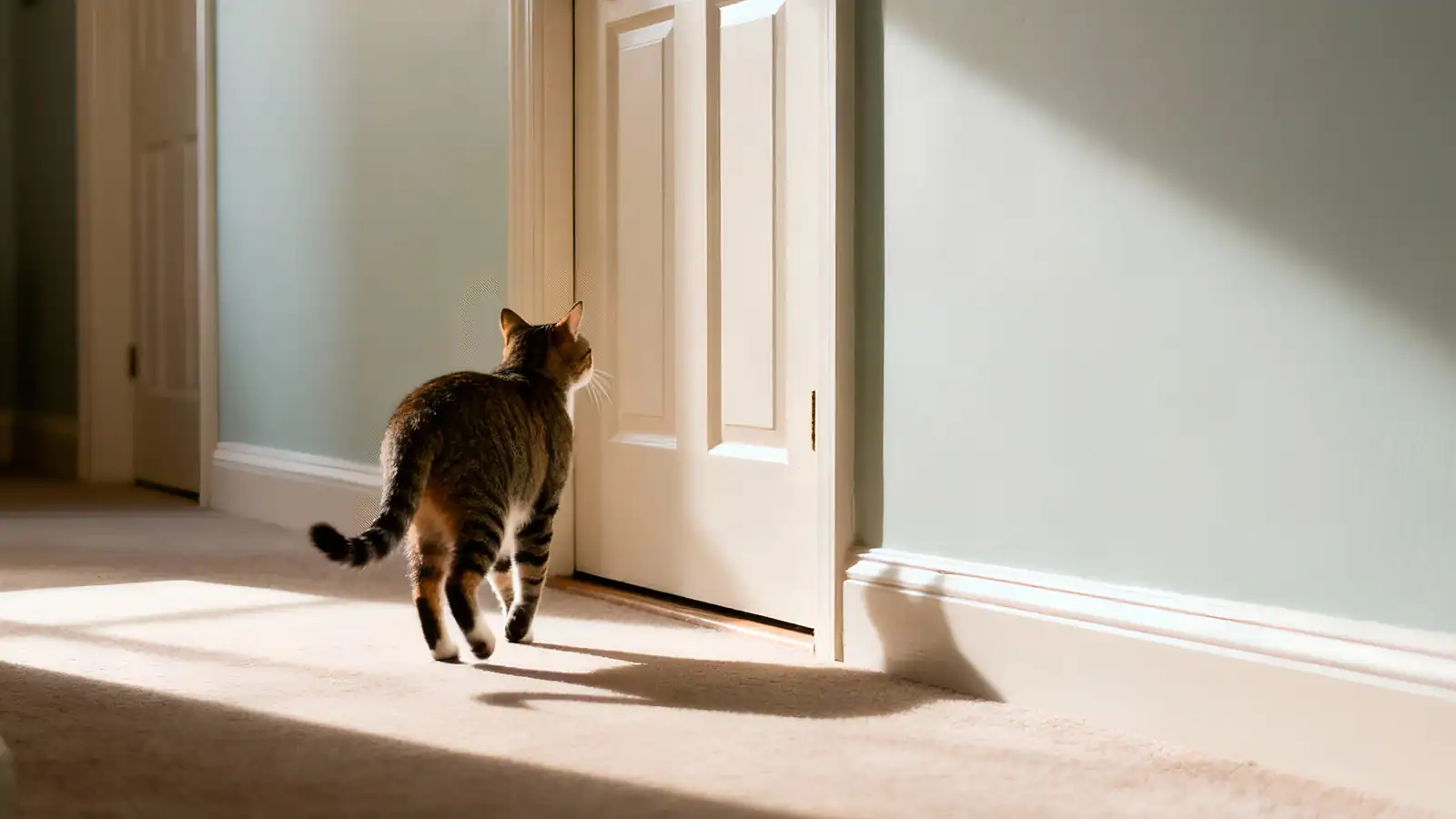
These are quiet signals that your voice is familiar and meaningful. Your cat may choose to stay exactly where they are, but they heard you, processed the sound, and decided whether it’s worth getting up.
Tone Over Words
Cats don’t understand human words the way we do, but they are experts at emotional tone. Over time, they learn:
-
your “calm voice”
-
your “excited voice”
-
your “play voice”
-
your “stressed voice”
A gentle, steady tone becomes part of the cat recognition signs that tell them, “It’s you, and everything is okay.”
Routine: How Your Cat Maps You Into Their Day
Cats are pattern specialists. They notice tiny details and learn routines quickly. To them, you are not just a person—you’re also a rhythm.
Your cat learns:
-
when you usually wake up
-
when breakfast and dinner happen
-
what time you leave for work
-
the sound of your keys, shoes, or bags
-
when you settle on the sofa or go to bed
-
where you sit to work, read, or watch TV

Many cats seem to “wait” at the door shortly before you come home. It isn’t magic—they’ve simply learned the combination of light, time of day, outside noises, and household patterns that usually predict your return.
When your schedule changes—late nights, trips, visitors, new commitments—your cat’s world feels different. They still recognize you, but they may act clingier, more vocal, or more distant while they adjust to the new shape of their day.
Signs Your Cat Really Recognizes You
You won’t always get a dramatic welcome or constant cuddles. Cats tend to use small, specific behaviors to show recognition and attachment.
Here are some of the most common cat recognition signs:
1. They Come to See You (In Their Style)
Some cats run to the door when they hear you. Others simply appear in the hallway, sit nearby, or walk past with their tail lifted. Even a casual “oh, you’re back” check-in shows that your presence matters.
2. They Slow-Blink at You
When a cat gives you a slow blink—eyes relaxed, slowly closing and opening—they’re showing trust. They feel safe enough to let their guard down around you.
If you slow-blink back, some cats respond with another blink. It’s like a quiet, mutual “I’m comfortable with you.”
3. They Follow You From Room to Room
Your cat may not always sit on your lap, but they might:
-
move to whatever room you’re in
-
sleep in the same room at night
-
sit in a doorway where they can keep you in sight
This “soft shadow” behavior is a strong sign of attachment. They recognize you as the center of their little world and want to stay connected.
4. They Choose Your Stuff
Pay attention to where they nap:
-
your pillow
-
your folded sweatshirt
-
your office chair
-
your favorite blanket
These choices are not random. Your scent is there, and that makes those spots feel extra safe.
5. They Show You Their Belly Nearby
A cat rolling onto their side or back near you is a sign of trust, even if they don’t want you to pet their belly. Exposing their most vulnerable area means they feel protected in your presence.
6. They Rest Near You With No Agenda
One of the strongest signs of recognition is when your cat simply hangs out near you without asking for food, play, or attention. Just being close feels good to them.
If They Recognize Me, Why Do They Ignore Me?
This is one of the most common frustrations for cat owners. You call them, they look at you… and then walk away. What’s going on?
Cats Aren’t Built for Obedience
Dogs evolved to work closely with humans, follow commands, and respond to cues. Cats evolved as solitary hunters. Their survival depended on making independent decisions, not listening to a leader.
So when a cat ignores you, it usually doesn’t mean:
-
“I don’t know who you are.”
-
“I don’t like you.”
It often means:
-
“I heard you, but I’m comfy.”
-
“I’ll come later, maybe.”
-
“Right now, I have other priorities.”
They recognize you—they’re just not wired to treat your voice as an automatic command.
Stress and Environment Can Change Behavior
Even a deeply bonded cat can act distant when something in the environment feels wrong:
-
loud noises
-
visitors or new animals
-
furniture changes
-
tension in the home
-
new smells
During those times, your cat may hide, act cautious, or avoid touch. Recognition doesn’t disappear; it’s simply overshadowed by the need to feel safe again.
Mixed Signals From Humans
Sometimes, cats keep their distance because past interactions have been confusing or uncomfortable:
-
being picked up when they don’t want it
-
being petted for too long
-
being touched in sensitive areas
-
being chased or cornered “in play”
-
being scolded unpredictably
Over time, they may think: “I know you, but I’m not always sure what will happen when I come closer.”
How to Strengthen the Bond So Your Cat Truly Chooses You
Cats start with recognition. Bonding is what you build on top of that. The good news: small, consistent habits can dramatically improve your relationship.
1. Keep Life Predictable
Try to feed, play with, and interact with your cat at roughly the same times each day. You don’t need a strict schedule, but a reliable rhythm makes them feel secure.
2. Practice Respectful Petting
Let your cat come to you. When they rub against you, hop on your lap, or settle next to you, offer gentle strokes and stop before they get irritated.
Focus on:
-
cheeks
-
chin
-
the base of the ears
-
short strokes along the back
Respecting their limits is one of the clearest ways to strengthen your bond.
3. Play Every Day
Interactive play is powerful. Short daily sessions with a wand toy or feather toy mimic hunting:
-
stalking
-
chasing
-
pouncing
This burns energy, reduces stress, and links you with positive feelings in your cat’s mind.
4. Use a Soft, Warm Voice
Talk to your cat when you feed them, when you walk past, when you sit down near them. They may not understand the words, but they absolutely feel the tone.
5. Accept Who They Are
Some cats are social butterflies. Others are calm observers. Some love laps; some prefer to sit beside you instead. The strongest relationships come from appreciating your cat’s personality instead of trying to force them into a different style.
Final Thoughts: Recognition in the Feline World
Cats absolutely recognize their owners—but they do it the cat way. Through scent layers, familiar sounds, daily rhythms, and quiet emotional cues, they build a mental picture of you that is rich and specific.
A cat that slow-blinks at you, follows you, sleeps near you, or quietly chooses your favorite chair is saying, in its own language:
“You are part of my safe world.”
Over time, those small everyday moments turn into a deep, steady bond—one that will be the foundation for the next 149 pieces of this “book” you’re building: a complete, connected guide to living with and understanding cats.
External Sources
cats can distinguish their owner’s voice
URL: https://pubmed.ncbi.nlm.nih.gov/23525707/
cats use scent-based communication to recognize familiar humans
URL: https://icatcare.org/articles/cat-communication