The Healthiest Cat Foods Recommended by Veterinarians
Choosing the right food for your cat isn’t always simple. Pet stores are packed with colorful bags, fancy labels, and buzzwords that sound impressive but often leave cat owners feeling more confused than confident. And because cats rely on us to meet their nutritional needs, feeding them the right diet is one of the most important decisions we make as pet parents.
What veterinarians consistently emphasize is this: a truly healthy cat food nourishes the body, protects long-term health, supports energy levels, and aligns with a cat’s natural biology — without unnecessary fillers, marketing tricks, or misleading claims.
In this comprehensive guide, we’ll explore the healthiest types of cat foods veterinarians recommend, how to evaluate ingredients like a pro, what to avoid, and how to choose the perfect diet for your cat’s age, lifestyle, and medical needs. You’ll also learn how to transition diets safely, understand the meaning behind food labels, and decode what makes a cat food genuinely nutritious.
But first, let’s start with a powerful truth every cat owner should know.
A healthy diet is the single biggest factor in extending your cat’s lifespan and improving their quality of life. 🐾✨
Why Your Cat’s Diet Matters More Than You Think
Cat nutrition isn’t just about calories or flavor. The right food:
-
Supports organ health
-
Maintains lean muscle
-
Protects joints and bones
-
Promotes a shiny coat and healthy skin
-
Regulates energy and mood
-
Prevents obesity
-
Reduces the risk of chronic disease
Cats are obligate carnivores, meaning their bodies are biologically designed to thrive on high levels of animal protein. When a diet doesn’t align with that core need, long-term health problems can follow — from digestive issues to urinary conditions and metabolic imbalances.
This brings us to our first major topic: what foods veterinarians trust most.
Veterinarian-Recommended Cat Food Categories
There is no single “best” food for every cat, but there are categories of foods widely respected by veterinarians for their high-quality nutrition and safety standards.
Let’s look at each in depth.
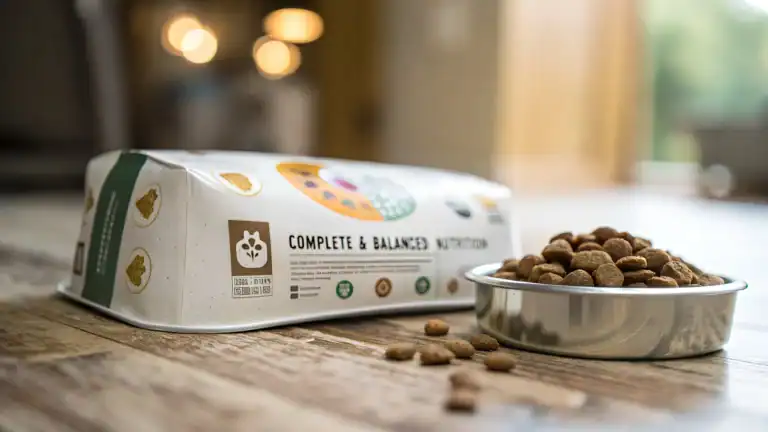
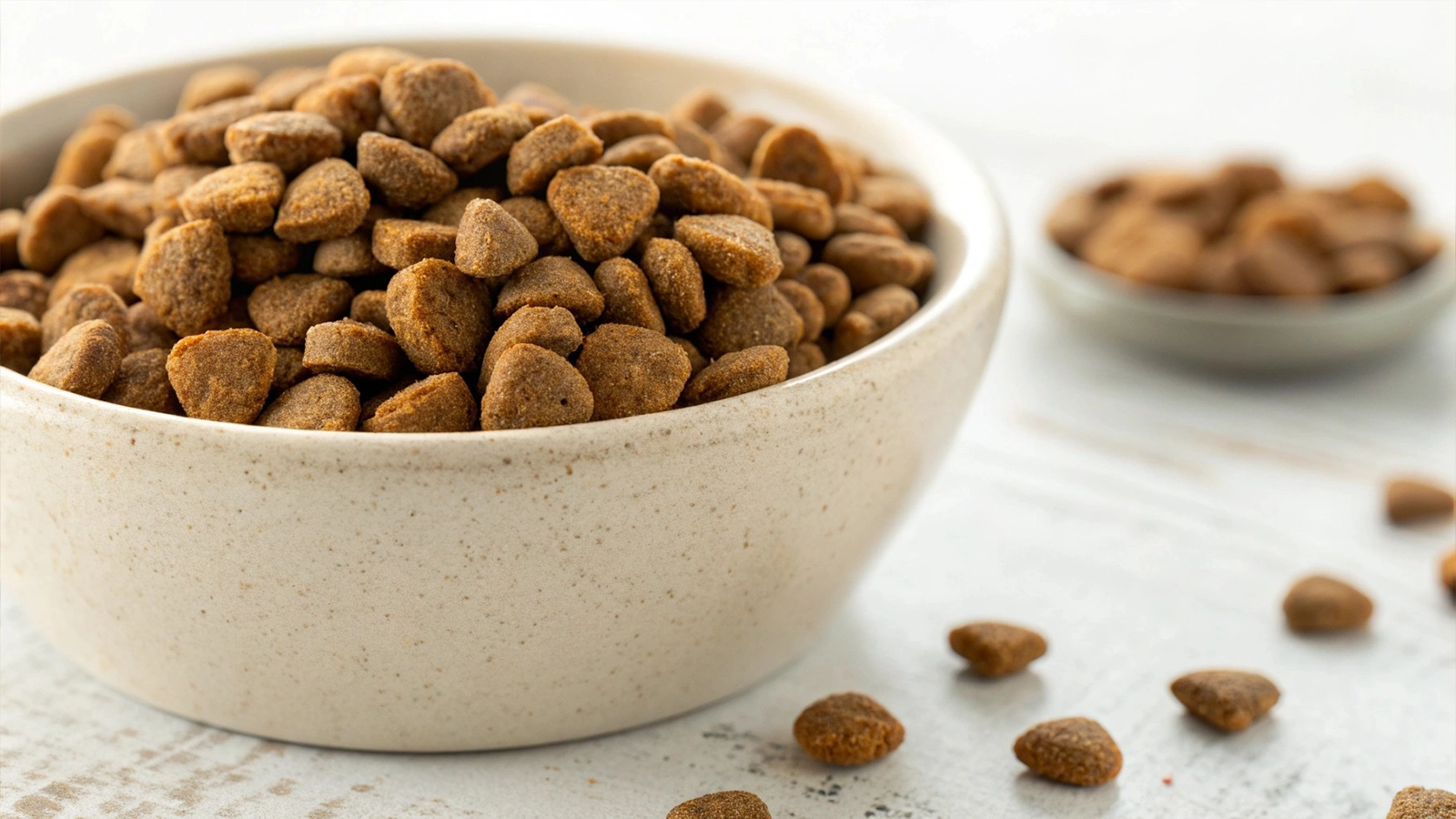
Premium Dry Food (Kibble) — Convenient, but Choose Carefully ⭐
High-quality dry food can support healthy weight, dental structure, and steady daily energy. But the key word here is high-quality. Not all kibble is created equal.
Veterinarians recommend looking for:
-
Animal protein as the first ingredient
-
Moderate fat content
-
Low carbohydrate load (ideally under 25%)
-
Named protein sources (e.g., “chicken meal,” not “meat by-product”)
-
Added omega-3 fatty acids
-
No artificial colors
Brands that consistently meet veterinary standards often invest heavily in research, feeding trials, and nutrient testing.
Pros:
-
Cost-effective
-
Convenient storage
-
Long shelf life
-
Controlled calorie density
Cons:
-
Can be higher in carbs
-
Less moisture
-
Not ideal for cats prone to urinary issues
High-Quality Wet (Canned) Food — Moisture-Rich and Biologically Appropriate 💧
Wet food is closer to a cat’s natural dietary composition. Because cats instinctively have a low thirst drive, moisture-rich diets can make a dramatic difference in health.
Veterinarians often recommend wet food for:
-
Cats with urinary issues
-
Senior cats
-
Overweight cats
-
Cats who don’t drink enough water
Benefits:
-
Higher moisture content
-
Lower carbohydrates
-
Easier to digest
-
More flavorful for picky eaters
Wet food also mimics the texture and hydration level of prey, which often improves meal satisfaction.
Veterinary Prescription Diets — For Medical Conditions
If your cat has:
-
Kidney disease
-
Urinary crystals
-
Allergies
-
GI sensitivities
-
Diabetes
-
Hyperthyroidism
-
Weight issues
…a prescription diet may be necessary.
Contrary to myths, prescription foods aren’t “overpriced marketing”—they are formulated to manage specific clinical conditions and are backed by feeding trials.
These diets include:
-
Low-phosphorus kidney formulas
-
Hydrolyzed protein allergy diets
-
Urinary dissolution blends
-
High-fiber weight-management foods
Your veterinarian will guide you toward the correct formula based on your cat’s lab results and medical history.
Fresh or Gently Cooked Cat Food — Rising in Popularity ✔️
Brands offering fresh, refrigerated cat food are growing quickly. These diets use whole ingredients, minimal processing, and vet-developed recipes.
Benefits:
-
High-quality meat
-
Gentle cooking protects nutrients
-
Easy to digest
-
Often customized for age or weight
However, quality varies by company, so ensure the brand employs veterinary nutritionists and performs regular nutrient testing.
Raw Food Diets — Potential Benefits, Serious Risks ⚠️
While raw diets appeal to cat owners seeking a “natural” approach, veterinarians caution that raw feeding requires extremely careful formulation and strict hygiene.
Potential risks include:
-
Bacterial contamination (Salmonella, E. coli)
-
Nutritional imbalance
-
Bone-related injuries
Most vets recommend only raw diets that are:
-
Commercially produced
-
Formulated by veterinary nutritionists
-
Complete and balanced
-
Free from whole bones
How to Read a Cat Food Label Like a Professional
Most pet parents look at packaging, not ingredients. But veterinarians want owners to understand what’s inside — because the label reveals more than the marketing.
Key things to check:
✔️ Ingredient Order
The first ingredient should always be animal protein
(e.g., chicken, turkey, salmon, or beef).
✔️ AAFCO Nutritional Adequacy Statement
This confirms whether a food meets complete and balanced standards for your cat’s life stage.
✔️ Guaranteed Analysis
Focus on protein, fat, fiber, and moisture.
✔️ Additives That Matter
-
Omega-3s (EPA & DHA)
-
Taurine
-
Vitamins A, D, E
-
Calcium & phosphorus ratio
-
Natural probiotics

What Ingredients Should You Avoid?
Veterinarians generally steer cat owners away from foods containing:
-
Artificial colors
-
Excessive plant proteins (soy, pea protein)
-
High carbohydrate fillers (corn, wheat, large amounts of rice)
-
Unspecified meats (“animal by-product meal”)
-
Chemical preservatives like BHA or BHT
These ingredients don’t inherently make a food “dangerous,” but they often indicate low quality or poor digestibility.
The Role of Life Stage in Choosing the Right Food
Cats have different nutritional needs throughout their lives. A one-size-fits-all food is rarely appropriate.
🐾 Kittens
Need high protein, high fat, DHA for brain development, and calorie-dense formulas.
🐾 Adults
Need balanced protein, controlled fat, and moderate calories to maintain lean muscle.
🐾 Seniors
Often require joint support, easier digestion, and moisture-rich formulas.
Why Your Cat’s Behavior Influences Food Choice
A cat’s temperament, preferences, and daily habits also influence what food suits them best.
For example:
-
Shy cats may prefer soft pâté textures
-
Active cats do well with nutrient-dense wet foods
-
Grazers often thrive on scheduled feeding instead of free feeding
-
Social eaters may need calm feeding areas away from stressors
Choosing the Healthiest Food Based on Your Cat’s Individual Needs
Every cat is unique. Even within the same household, two cats may require completely different diets depending on appetite, activity level, sensitivities, or medical history. Veterinarians prioritize individualized nutrition because a diet that helps one cat thrive might cause another to gain weight, struggle with digestion, or develop urinary problems.
Below is a breakdown of how vets select diets based on specific needs.
Cats With Sensitive Stomachs or Digestive Issues
If your cat vomits frequently, has loose stools, or struggles with appetite, a sensitive-stomach formula may help. These diets typically include:
-
Highly digestible proteins like turkey, chicken, or hydrolyzed protein
-
Moderate fat levels
-
Prebiotics and probiotics
-
Limited ingredients to reduce triggers
Signs a food is easier on the stomach:
-
Smaller, firmer stools
-
Less vomiting
-
Improved appetite
-
Reduced gas
-
Shinier coat
Digestive issues are one of the most common reasons vets recommend switching foods, especially when symptoms persist longer than a week.
Cats With Allergies or Skin Conditions
Food allergies in cats usually manifest as skin irritation instead of digestive symptoms. You may notice:
-
Excessive scratching
-
Bald patches
-
Ear infections
-
Redness along the belly or paws
Veterinarians often suggest:
-
Novel protein diets (rabbit, duck, venison)
-
Hydrolyzed protein diets
-
Limited-ingredient recipes
Because food allergies are complex, many vet dermatologists insist on an 8–12 week elimination trial before diagnosing the true trigger.
Cats Prone to Urinary Problems
Lower urinary tract issues are extremely common in indoor cats. The most effective dietary strategy?
Increase moisture intake.
Moisture-rich foods reduce the concentration of minerals that form crystals and help support overall urinary health.
Veterinary-recommended foods for urinary support often feature:
-
Controlled magnesium and phosphorus
-
Increased hydration
-
Moderate protein
-
pH balancing formulas
If your cat has had crystals before, diet is one of the most powerful preventative tools.
Cats Who Need Weight Management
Over 50% of domestic cats in the U.S. are overweight — a statistic veterinarians consider alarming. Excess weight increases the risk of:
-
Diabetes
-
Arthritis
-
Heart disease
-
Shortened lifespan
Healthy weight-loss diets include:
-
High protein to preserve lean muscle
-
Increased fiber for satiety
-
Controlled calories
-
Wet food options to keep cats full longer
A slow, steady approach is essential: 1–2% body weight loss per week is ideal.
Cats With Kidney Disease or Older Seniors
Kidney disease is extremely common in aging cats. Senior cats often benefit from:
-
Lower phosphorus levels
-
Moderate, high-quality protein
-
High moisture intake
-
Omega-3 fatty acids for kidney support
Prescription kidney diets are scientifically shown to extend lifespan in cats with chronic kidney disease. They aren’t optional — they’re therapeutic.
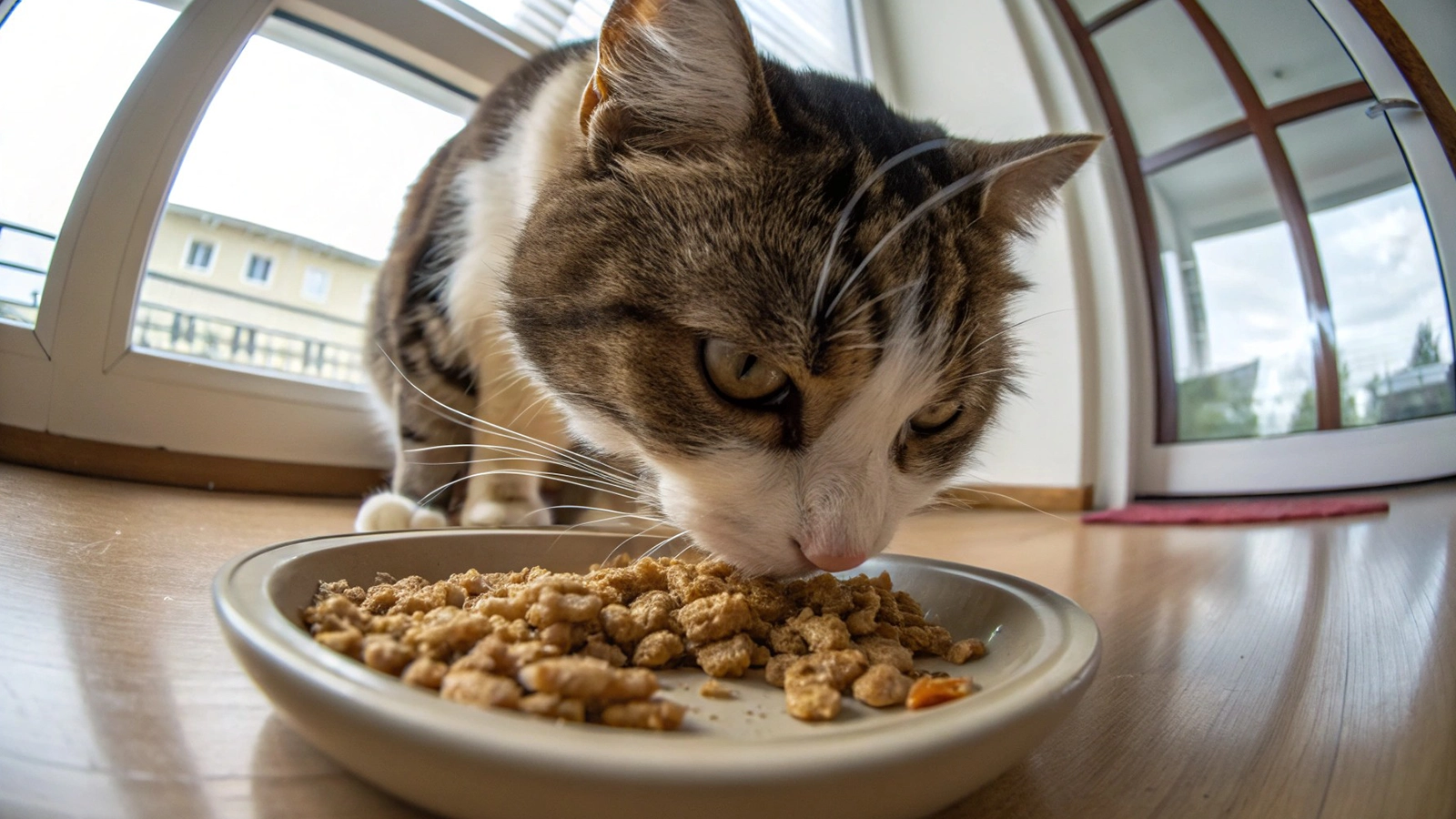
The Importance of Transitioning Diets Slowly
One of the most common mistakes owners make is switching foods abruptly. Cats have sensitive digestive systems, and sudden change often leads to:
-
diarrhea
-
vomiting
-
refusal to eat
-
gas
-
stress behaviors
Veterinarians recommend transitioning over 7–10 days:
-
Days 1–3: 75% old food, 25% new food
-
Days 4–6: 50% old food, 50% new food
-
Days 7–9: 25% old food, 75% new food
-
Day 10+: 100% new food
For sensitive cats, extend the transition to 2–3 weeks.
Homemade Diets: Are They Safe?
Many owners assume homemade food is healthier because it’s fresh, whole, and free from fillers. But veterinarians warn that over 90% of homemade cat food recipes circulating online are nutritionally unbalanced, often lacking essential nutrients like:
-
taurine
-
calcium
-
vitamin D
-
iodine
Without precise formulation from a board-certified veterinary nutritionist, homemade diets can cause serious health complications.
If you choose a home-prepared diet, make sure it is:
-
designed by a vet nutritionist
-
formulated to be complete & balanced
-
supplemented correctly
-
followed strictly
Never guess measurements or swap ingredients casually.
How Much Should You Feed Your Cat?
Portion size matters just as much as food quality.
General feeding guidelines depend on:
-
Age
-
Weight
-
Activity level
-
Body condition score
-
Food calorie density
-
Veterinary recommendations
Many cats become overweight simply because their food is more calorie-dense than owners realize. Always check:
-
The kcal per cup (dry food)
-
The kcal per can or pouch (wet food)
Veterinarians often use body condition scoring (BCS) to determine the ideal feeding amount. A healthy cat should have:
-
A visible waist from above
-
Ribs that are easily felt but not visible
-
A slight abdominal tuck
If you’re unsure, ask your vet for a personalized plan — they will be happy to help.
Moisture: The Most Overlooked Nutrient in Cat Diets
Veterinarians repeatedly emphasize that cats evolved to get most of their hydration from food, not from drinking water. This is why so many indoor cats are chronically mildly dehydrated.
Moisture-rich diets improve:
-
urinary tract health
-
kidney function
-
digestion
-
skin elasticity
-
overall hydration
Even adding simple enhancements can help:
-
water or broth toppers
-
mixing wet and dry food
-
pet-safe hydration supplements
Your cat’s body will tell you the difference — especially in coat texture and litter box habits.
Food Quality vs. Marketing — What Really Matters
Pet food labels can be deceptive. Words like “gourmet,” “holistic,” or “natural” mean almost nothing unless supported by:
-
ingredient quality
-
scientific nutrition standards
-
company transparency
-
feeding trials
A helpful rule veterinarians use:
The best brands are the ones that invest heavily in nutritional research — not flashy packaging.
Quality brands typically have:
-
board-certified veterinary nutritionists on staff
-
published feeding trials
-
strict testing protocols
-
ingredient traceability
-
transparent sourcing
If a company doesn’t willingly provide nutritional analysis, that’s a red flag.
Should You Change Foods If Your Cat Is Doing Well?
Not always.
Veterinarians often say:
“If your cat is maintaining a healthy weight, has great energy, shiny coat, and stable digestion — don’t switch food without a reason.”
However, reasons to consider changing include:
-
allergies
-
medical issues
-
digestive trouble
-
boredom
-
low-quality food
-
new life stage (kitten → adult → senior)
If in doubt, ask your veterinarian. They’ll evaluate your cat’s specific needs and overall health condition.
How Feeding Environment Impacts Health
Where and how your cat eats can shape their relationship with food.
✔️ Multi-cat households
Each cat needs their own feeding station to prevent conflict or resource guarding.
✔️ Timid or anxious cats
Prefer quiet, low-traffic feeding areas.
✔️ Social eaters
May eat better when you sit calmly nearby.
What Vets Say About Treats and Toppers
Treats should make up no more than 10% of daily calories. Too many treats lead to nutrient imbalance and weight gain.
Healthy treat ideas:
-
freeze-dried meat
-
cat grass
-
broth toppers
-
single-ingredient snacks
Unhealthy treats include:
-
sugary biscuits
-
high-carbohydrate cookies
-
anything with artificial coloring
Moderation is key.
Common Myths About Cat Food — Debunked
❌ Myth 1: “Grain-free is always healthier.”
Grain-free doesn’t automatically mean high-quality. In fact, some grain-free foods rely heavily on pea or lentil protein.
❌ Myth 2: “Cats should eat only dry food to clean their teeth.”
Kibble does not provide meaningful dental cleaning.
❌ Myth 3: “More protein is always better.”
Quality matters more than quantity. Excessive protein can strain kidneys in susceptible cats.
❌ Myth 4: “Changing brands occasionally is good variety.”
Random switching can upset digestion.
When to Consult Your Veterinarian About Diet
See your vet if your cat experiences:
-
weight loss or gain
-
vomiting more than once per week
-
frequent diarrhea
-
extreme hunger
-
picky eating
-
lethargy
-
coat dullness
-
urinary issues
Final Checklist for Choosing the Healthiest Cat Food
✔️ Animal protein is the first ingredient
✔️ Meets AAFCO complete & balanced standards
✔️ Matches your cat’s life stage
✔️ Appropriate moisture content
✔️ Avoids artificial colors and unnamed by-products
✔️ Supported by veterinary nutrition research
✔️ Fits your cat’s medical needs
✔️ Fits your budget and lifestyle
A great diet isn’t about the most expensive bag — it’s about the best fit.
Conclusion: Feeding Your Cat Well Is a Lifelong Gift
A healthy diet is one of the greatest acts of love you can offer your cat. Every bowl you set down shapes their energy, comfort, longevity, and daily happiness. When you choose veterinarian-recommended foods, you’re not just feeding your cat — you’re giving them the foundation for a longer, healthier, more joyful life.
Your cat may never thank you in words…
but the bright eyes, glossy coat, peaceful sleep, and playful energy say it all. 🐾❤️
External Resources (Click-to-Visit Links)
1. Cornell Feline Nutrition Center
https://www.vet.cornell.edu/departments-centers-and-institutes/cornell-feline-health-center
2. American College of Veterinary Nutrition (ACVN)
https://acvn.org