
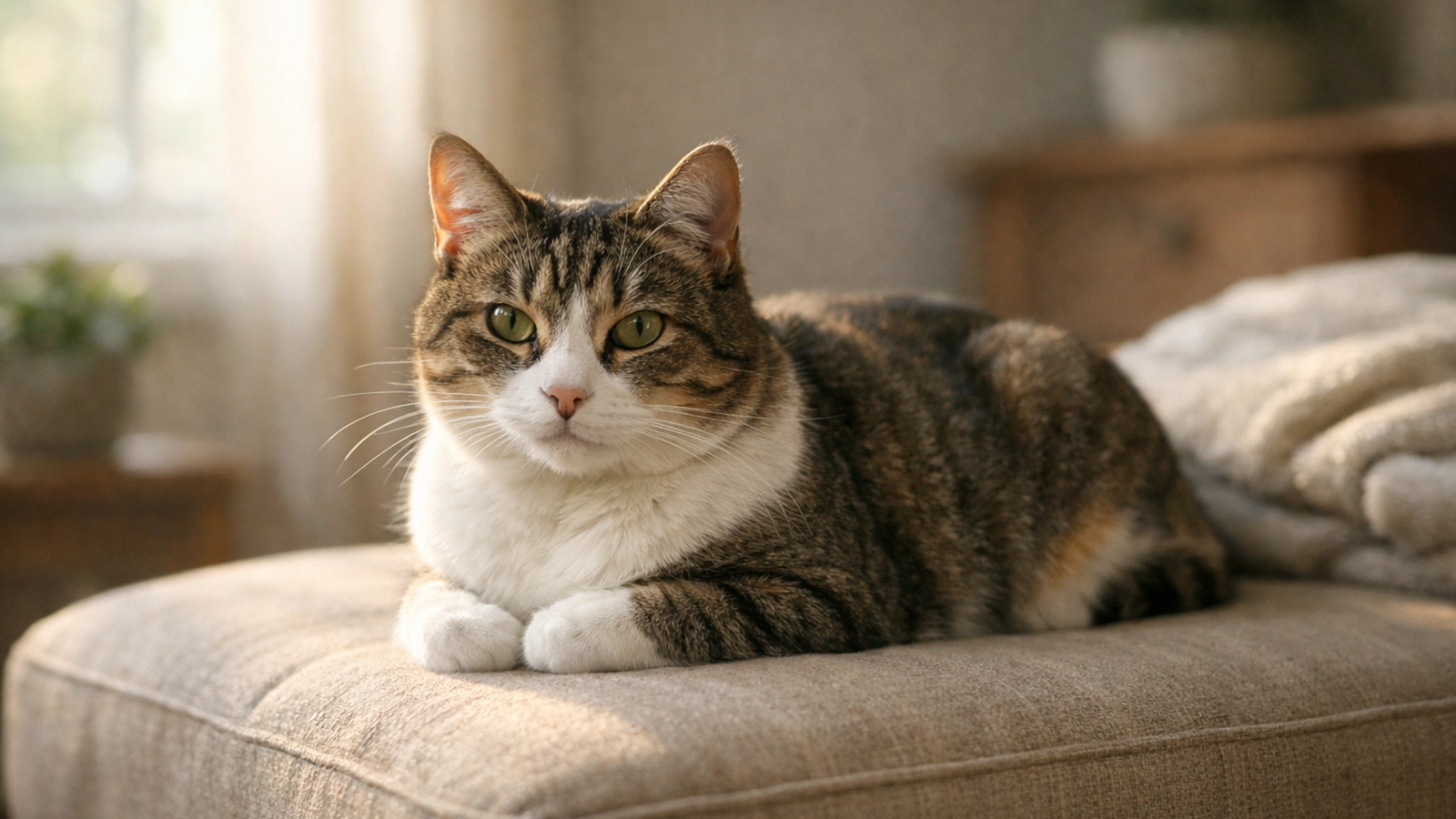
A cat’s life is shaped less by events than by conditions. What appears from the outside as a sequence of habits—sleeping, eating, grooming, watching, playing—is in fact a continuous process of internal regulation. Every moment, the cat’s body is negotiating with its surroundings, deciding what to conserve, what to release, what to ignore, and what to respond to. Health lives inside this negotiation. It is not a fixed state that can be achieved and preserved indefinitely, but a dynamic balance that holds only as long as the forces acting upon it remain compatible.
Humans are accustomed to thinking of health as something that becomes visible when it fails. A symptom appears, a behavior changes dramatically, a crisis forces attention. But feline health rarely announces itself so clearly. Cats are not designed to externalize vulnerability. Their evolutionary history favors restraint, subtlety, and concealment. As a result, well-being expresses itself not through obvious markers, but through coherence. When a cat’s body, environment, and emotional state align, life looks effortless. Movement is economical. Sleep is deep. Appetite is steady. Curiosity is present without being frantic. The absence of strain is the signal.
This is why care cannot be reduced to isolated actions. Feeding, cleaning, medical attention, enrichment—these are not independent interventions. They are components of a larger structure that either supports regulation or disrupts it. A cat does not experience food as nutrition alone; it experiences the entire context surrounding the meal. The same is true of rest, play, social contact, and even solitude. Each element carries emotional and physiological meaning, and those meanings accumulate over time.
At the center of this structure is the nervous system. The feline nervous system is exquisitely sensitive to pattern. Predictability allows it to downshift into maintenance mode, where repair, digestion, and immune balance can occur efficiently. Unpredictability forces it into vigilance, where energy is diverted toward monitoring and readiness. This is not a psychological preference; it is a biological imperative. A vigilant body cannot heal in the same way a settled body can. Over time, even mild but persistent uncertainty reshapes internal priorities.
This sensitivity explains why environmental factors matter as much as biological ones. Light cycles, sound levels, spatial layout, scent saturation, and social density all feed directly into how the cat’s body allocates resources. An environment that feels stable allows the cat to remain internally quiet. An environment that constantly changes, intrudes, or demands adaptation keeps the system alert. The difference is not always dramatic in the short term, but it becomes decisive over months and years.
Health, then, is not best understood as resistance to disease, but as the capacity to absorb variation without losing coherence. A healthy cat can tolerate small disruptions because its baseline is strong. A fragile cat, even if technically “disease-free,” struggles to adapt because its baseline is already taxed. This distinction is crucial. Many of the most significant threats to long-term well-being are not acute illnesses, but gradual erosions of resilience.
One of the most overlooked aspects of this resilience is choice. Cats regulate themselves through micro-decisions: where to rest, when to engage, how much distance to maintain, whether to observe or participate. These choices allow the body to fine-tune arousal and recovery. When a cat is deprived of meaningful choice—forced into constant exposure, restricted spaces, or rigid interactions—the nervous system loses one of its primary regulatory tools. Stress does not always manifest as fear or aggression. More often, it appears as flattening: less play, less curiosity, less expressiveness. The system narrows to conserve energy.
The body records these conditions even when the mind appears calm. Muscle tension increases slightly. Breathing becomes shallower. Sleep fragments at the edges. Hormonal rhythms shift. None of this is dramatic enough to trigger alarm, but together they alter how the cat experiences its own body. Over time, this altered internal landscape becomes the new normal, and health quietly degrades without any single identifiable cause.
This is why early changes are so often misunderstood. A cat that sleeps more, moves less, or interacts differently is frequently labeled as “just getting older” or “changing personality.” In reality, these shifts are adaptive responses. The body is adjusting its output to match its perceived capacity. When capacity decreases—whether due to physical discomfort, emotional strain, or environmental pressure—the body compensates by reducing demand. Understanding this pattern requires letting go of the idea that behavior exists separately from physiology.
A cat’s coat, for example, is not simply a visual indicator. It is a living interface between the body and the world. Its condition reflects hydration, nutrition, hormonal balance, immune activity, and stress load. Changes in grooming behavior are not habits in isolation; they are signals about internal state. Excessive grooming may represent an attempt to soothe an overactive nervous system or to manage low-grade irritation. Reduced grooming may indicate fatigue, discomfort, or a withdrawal from bodily engagement. The coat becomes a canvas on which the body writes its story.
Sleep follows the same principle. Cats do not sleep to escape the world; they sleep to recalibrate within it. Rest is when repair occurs, memories consolidate, and sensory input is integrated. A cat that sleeps well is a cat whose environment allows safety at multiple levels. When sleep quality declines, the effects ripple outward. Appetite becomes irregular. Tolerance for stimulation decreases. Pain thresholds lower. Sleep is not separate from health; it is one of its primary mechanisms.
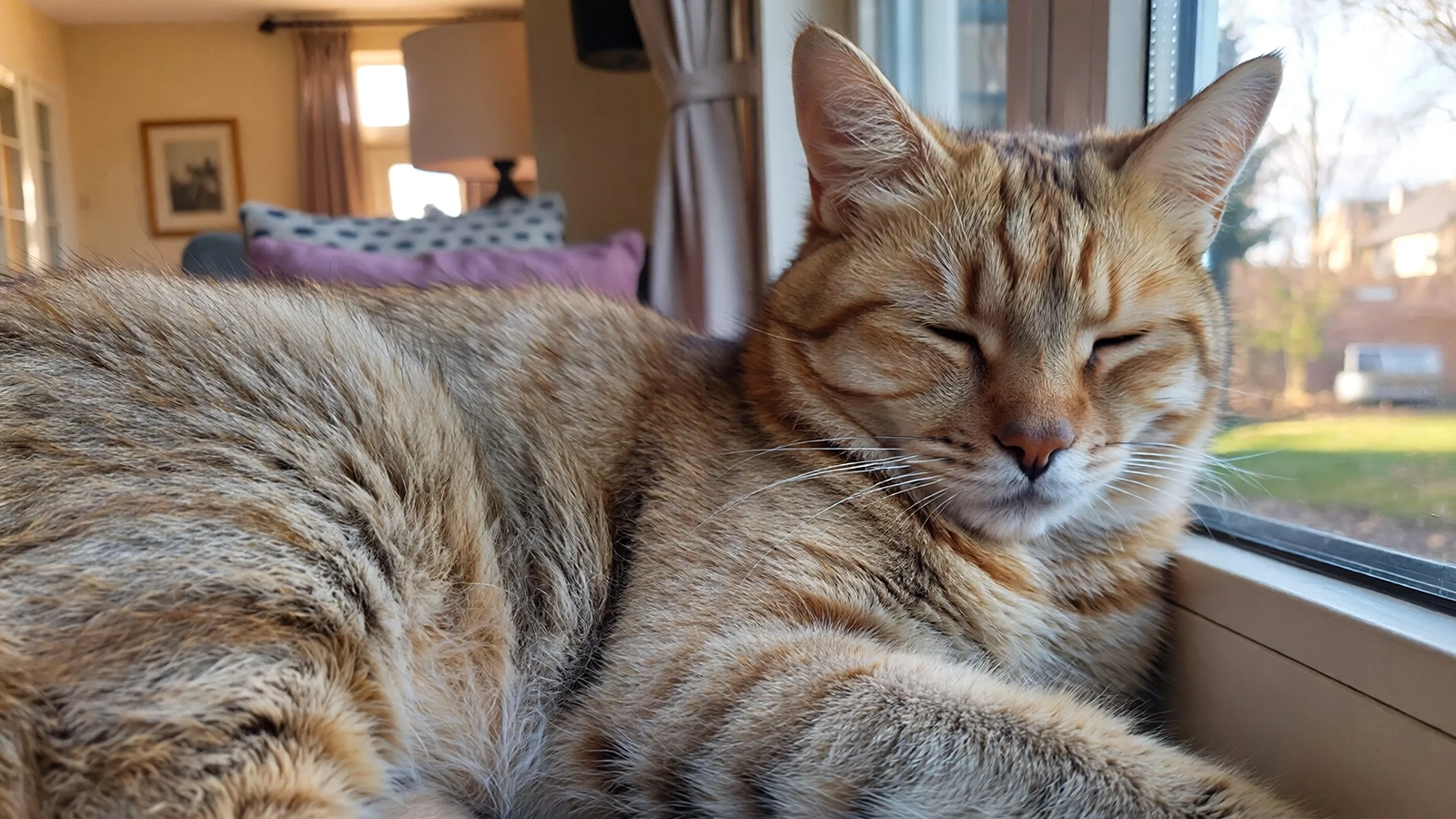
Time itself is another invisible influence. Cats are rhythmic beings. Their internal clocks are shaped by light, routine, and expectation. When these rhythms align with the environment, the body operates smoothly. When they are repeatedly disrupted, the system must constantly recalibrate. This recalibration consumes energy that would otherwise support maintenance and repair. Over long periods, even small misalignments accumulate into strain.
The concept of care, at its deepest level, is therefore not about intervention but about alignment. It is about creating conditions in which the cat’s natural regulatory systems can function with minimal interference. This does not mean eliminating challenge or stimulation. It means ensuring that stimulation is meaningful, bounded, and recoverable. A body that can return to baseline after activation remains flexible. A body that never fully settles becomes rigid.
Flexibility is the true marker of health. It is what allows a cat to age without collapsing into fragility, to adapt without losing vitality, and to encounter change without chronic distress. Flexibility is supported not by perfection, but by coherence. When the pieces of a cat’s life make sense together—when the environment supports the body, and the relationship respects the cat’s autonomy—the system holds.
This first layer of understanding forms the foundation for everything that follows. Without recognizing health as a living structure rather than a checklist, it is impossible to grasp how nutrition, behavior, care, and environment interweave. What matters most is not any single factor, but the way they shape one another. In that interaction, well-being is either reinforced or slowly eroded, often without noise, but never without consequence.
A cat’s body does not separate experience into neat categories. What humans label as physical health, emotional well-being, behavior, or mood all arrive to the cat as a single stream of sensation. This is why attempts to isolate one aspect of care often fail to produce lasting results. The body responds not to intentions, but to conditions. And conditions are always cumulative.
Nutrition offers a clear example of this unity. Food is often discussed as fuel, as if the body were a machine waiting for the correct input. But for a cat, eating is a relational act. It occurs in a specific place, at a specific time, within a specific emotional context. The nervous system evaluates safety before the digestive system can work efficiently. If the body is tense, digestion slows. If the environment feels unpredictable, appetite becomes cautious or erratic. Even the most biologically appropriate food cannot compensate for a system that is constantly braced.
This is not a flaw in the cat. It is an expression of how deeply survival is wired into physiology. In nature, eating while unsafe is dangerous. The domestic environment may remove predators, but it does not remove the cat’s instincts. Noise, sudden movement, competition, unfamiliar scents, or inconsistent routines can all register as low-grade threats. The body responds accordingly, diverting energy away from processes that require calm—digestion, absorption, tissue repair—and toward readiness.
Over time, this diversion reshapes the internal landscape. Subtle nutritional imbalances may emerge not because the food is inadequate, but because the body cannot fully utilize it. Weight may fluctuate without obvious cause. Coat quality may change. Energy levels may become uneven. These outcomes are often treated as isolated problems, but they are better understood as downstream effects of a system operating under quiet strain.
Hydration follows the same logic. Water intake is not merely a matter of availability; it is influenced by comfort, preference, habit, and perceived safety. A cat that drinks insufficiently is not necessarily indifferent to water. The body may be conserving movement, avoiding exposure, or responding to an environment that does not invite relaxed consumption. Over time, inadequate hydration alters kidney workload, urinary concentration, and overall metabolic balance. Again, the cause is rarely singular.
The digestive system itself is highly sensitive to emotional state. Stress alters gut motility, microbial balance, and inflammatory signaling. Mild but persistent stress can produce symptoms that appear purely physical: loose stools, constipation, vomiting, or inconsistent appetite. Treating these signs without addressing the broader context is like adjusting a single instrument in an orchestra while ignoring the conductor. The music does not improve.
Behavioral expression is often where this internal imbalance becomes visible. A cat that becomes irritable, withdrawn, overly vocal, or unusually inactive is not misbehaving. The body is communicating through the channels it has. Play decreases when energy is scarce or when the environment does not feel permissive. Exploration declines when vigilance increases. Social contact shifts when touch no longer feels neutral. These are not choices made in isolation; they are adaptations.
It is tempting to view behavior as something layered on top of health, but in reality it is woven through it. Movement patterns influence joint health, muscle tone, and circulation. Play stimulates not only the mind, but the cardiovascular system and proprioceptive feedback loops. Engagement with the environment keeps sensory processing flexible. When behavior narrows, the body follows. When the body becomes uncomfortable, behavior narrows further. The loop reinforces itself.
This loop is especially important in indoor lives, where environmental variety is limited. In such spaces, the quality of stimulation matters more than the quantity. Overstimulation exhausts. Understimulation dulls. Both create stress, albeit of different kinds. A balanced environment allows the cat to choose when to engage and when to withdraw. That choice is not a luxury; it is a regulatory mechanism.
Routine plays a critical role here. Consistent rhythms provide a scaffold for the nervous system. When the body knows what to expect, it can relax between events. This relaxation is not passivity; it is readiness without tension. In contrast, erratic schedules force constant recalibration. The cat may adapt outwardly, but inwardly the system remains slightly elevated, never fully settling. Over months and years, this elevation takes a toll.
The effects of this toll are often misattributed to age or temperament. A cat becomes “lazy,” “grumpy,” or “set in its ways.” In reality, the body has learned that flexibility is costly. It conserves energy by reducing engagement. This conservation protects against immediate overload but accelerates long-term decline. Muscles weaken, joints stiffen, curiosity fades. None of this happens because the cat no longer cares. It happens because caring has become expensive.
Pain further complicates this picture. Cats are remarkably adept at masking discomfort. Obvious signs often appear late. Earlier signals are subtle changes in posture, movement, or tolerance. A cat that no longer jumps may be avoiding impact. A cat that resists handling may be protecting a tender area. A cat that withdraws socially may be minimizing stimulation that amplifies discomfort. These behaviors are intelligent responses, not defiance.
Because pain alters behavior before it announces itself clearly, it also alters relationships. Humans may respond to withdrawal with increased intrusion, interpreting distance as rejection. The cat, already uncomfortable, experiences this as additional pressure. Stress increases. The cycle tightens. Without awareness, well-intentioned care becomes another source of strain.
A more sustainable approach recognizes that the cat’s body and mind are constantly negotiating with one another. When the negotiation is fair—when demands match capacity—the system remains fluid. When demands exceed capacity, the system hardens. Flexibility gives way to rigidity. Health declines not in a straight line, but in a spiral.
What interrupts this spiral is not perfection, but responsiveness. A willingness to notice patterns rather than isolated events. A readiness to adjust conditions rather than force outcomes. This does not require constant vigilance or anxiety. It requires attunement: an understanding that small shifts matter because they accumulate.
In this way, care becomes less about managing problems and more about supporting equilibrium. Equilibrium is not static. It changes with age, context, and experience. A kitten’s balance looks different from an adult’s; an adult’s differs from a senior’s. The underlying principle, however, remains the same. When the environment, the body, and the relationship move together rather than against one another, health has room to persist.
This deeper coherence is what allows a cat to move through life without chronic friction. It is not the absence of challenge, discomfort, or change that defines well-being. It is the presence of enough internal and external support to meet those challenges without collapse. In understanding this, the boundaries between nutrition, behavior, and care dissolve. What remains is a living system, responding continuously to the world it inhabits.
As a cat moves through life, the balance it maintains is never static. It shifts in response to time, experience, and accumulation. The body remembers everything: injuries that healed imperfectly, periods of stress that never fully resolved, routines that once fit but no longer do. These memories are not stored as stories; they are stored as tendencies. A joint favors one angle. A muscle tightens preemptively. A nervous system anticipates disruption even when none is immediately present. Aging, in this sense, is not simply the passage of years. It is the layering of adaptations.
This is why long-term well-being cannot be understood without acknowledging time as an active force. A young cat’s body absorbs strain easily. Recovery is quick, margins are wide, and compensation happens almost invisibly. As years pass, those margins narrow. The same conditions that once required little effort to manage now demand more internal resources. What once was neutral becomes taxing. What once was stimulating becomes exhausting. Health, then, depends less on what is added and more on what is softened.
Softening does not mean removal of structure. In fact, structure becomes more important with age, not less. The difference lies in flexibility. A rigid structure resists change until it breaks. A flexible structure yields slightly, redistributing pressure. For cats, this flexibility must exist in the environment as much as in the body. Spaces that once encouraged athletic movement may need to support gentler transitions. Interactions that once assumed resilience must allow for hesitation. The environment’s willingness to adapt signals safety to the nervous system, which in turn reduces defensive tension.
Pain illustrates this relationship clearly. Pain is not only a sensation; it is an organizing force. It reshapes posture, alters movement, and changes priorities. Because cats instinctively avoid displaying vulnerability, pain often expresses itself indirectly. A cat may become more irritable, less tolerant of handling, or more withdrawn. These changes are often mistaken for behavioral issues or personality shifts, but they are better understood as protective strategies. The body is conserving itself.
When pain goes unrecognized, the cat adapts around it. Movements become smaller. Exploration declines. Play becomes rare or disappears altogether. These adaptations reduce immediate discomfort, but they also reduce circulation, muscle engagement, and sensory input. Over time, the body weakens further, creating more discomfort. The cycle feeds itself. Breaking this cycle does not require forcing activity or attention. It requires reducing friction so the body can re-enter motion voluntarily.
The same principle applies to emotional strain. Cats form strong associations between experiences and internal states. A stressful event does not end when it is over; it leaves an imprint. Repeated exposures to mild stressors—unpredictable handling, inconsistent routines, unresolved social tension—can accumulate into chronic vigilance. Chronic vigilance is not dramatic. It is quiet, steady, and exhausting. The body remains slightly elevated, never fully settling into restoration.
This state has consequences. Immune responses become less efficient. Sleep loses depth. Digestive processes become irregular. The cat may appear functional, even normal, but its internal reserves are being slowly depleted. When a new challenge arises—a change in environment, a medical issue, a loss—the system has less capacity to absorb it. What might have been a minor disruption becomes destabilizing.
This is why the relationship between the cat and its caregivers matters as much as any physical provision. Trust is not an abstract concept for cats; it is a physiological condition. When a cat trusts, its body relaxes. Muscles soften. Breathing deepens. Sensory thresholds lower. Touch becomes tolerable, sometimes pleasurable. When trust erodes, the opposite occurs. The body braces, even in the absence of overt threat.
Trust is built through consistency and respect for boundaries. It is maintained by allowing the cat to control proximity and engagement. Forced affection, unpredictable interactions, or disregard for subtle signals undermine trust even when intentions are kind. The cat’s body does not evaluate intent; it evaluates outcome. Does this interaction increase or decrease internal tension? Over time, the answer shapes the cat’s willingness to engage.
In multi-animal environments, these dynamics become more complex. Social tension does not always appear as conflict. It often manifests as avoidance, hypervigilance, or competition over resources. A cat that never relaxes fully because another presence is unpredictable lives in a constant state of negotiation. This negotiation consumes energy. Without adequate recovery, health erodes quietly.
Environmental enrichment is often proposed as a solution to behavioral or emotional issues, but enrichment is only beneficial when it aligns with the cat’s capacity. Novelty without safety becomes stress. Stimulation without choice becomes pressure. True enrichment invites engagement without demand. It allows the cat to approach, investigate, retreat, and return on its own terms. This autonomy is what makes enrichment restorative rather than draining.
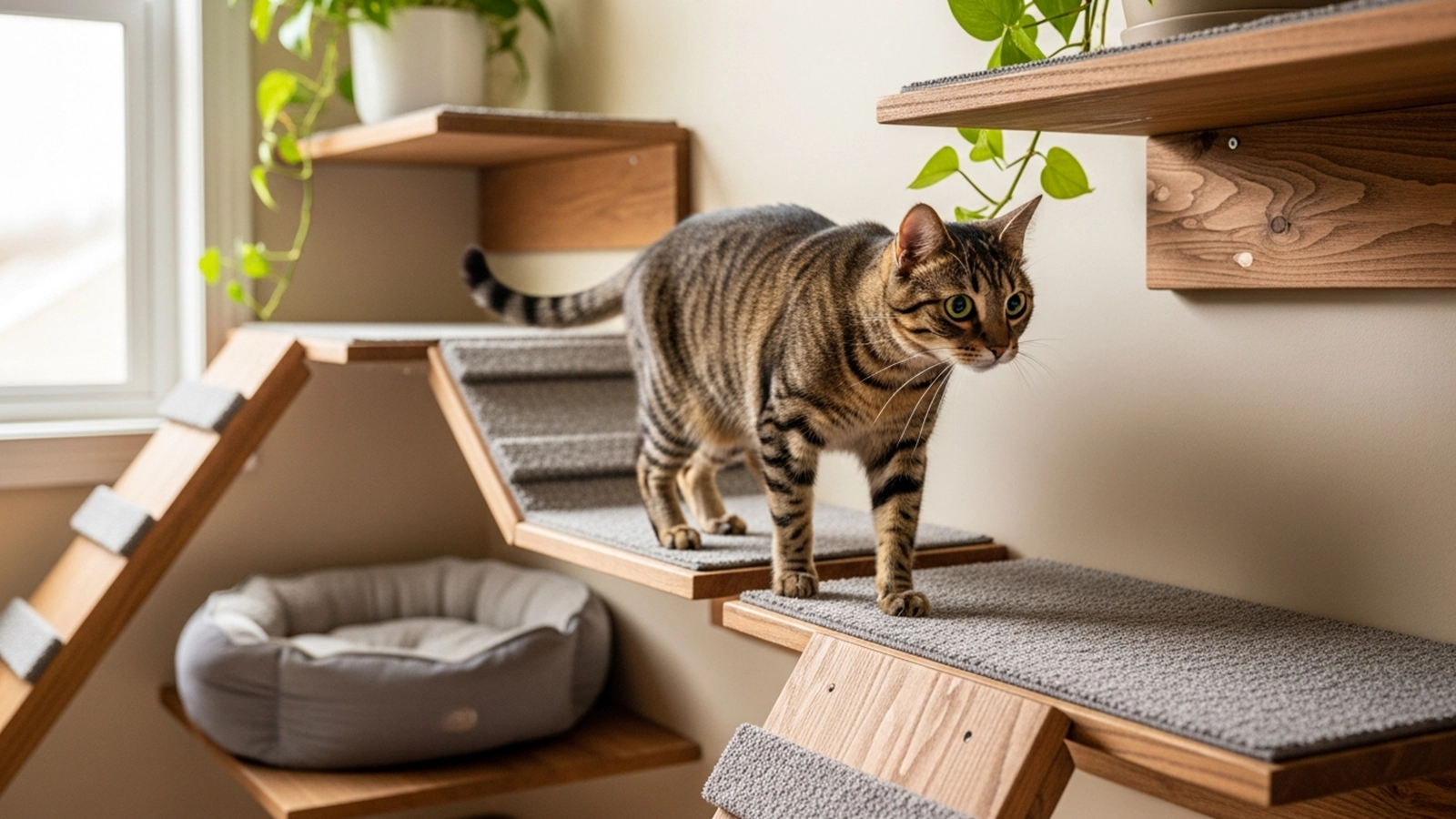
The importance of autonomy cannot be overstated. Autonomy supports regulation. It allows the cat to fine-tune its exposure to stimulation, social contact, and activity. When autonomy is respected, the nervous system remains adaptable. When autonomy is consistently overridden, the system learns that resistance is futile and shifts toward shutdown. Shutdown is not peace; it is collapse at a low level.
A cat in shutdown may appear easy to live with. It sleeps often, moves little, demands nothing. But beneath this stillness is a body that has stopped negotiating. Health in such a state is fragile. Recovery from illness is slower. Adaptation to change is limited. Engagement with the world is minimal. This is not aging done well; it is endurance.
Supporting health across time, then, is about preserving the cat’s ability to participate in its own regulation. This participation looks different at different life stages, but its essence remains the same. The cat must feel that its signals matter, that its boundaries are observed, and that its environment responds to its changing needs. When this is true, aging becomes a process of adjustment rather than loss.
The body does not ask for perfection. It asks for conditions that do not require constant defense. When those conditions are present, even an imperfect body can function with grace. When they are absent, even a strong body eventually falters. The difference is not visible in a single moment, but it becomes unmistakable over time.
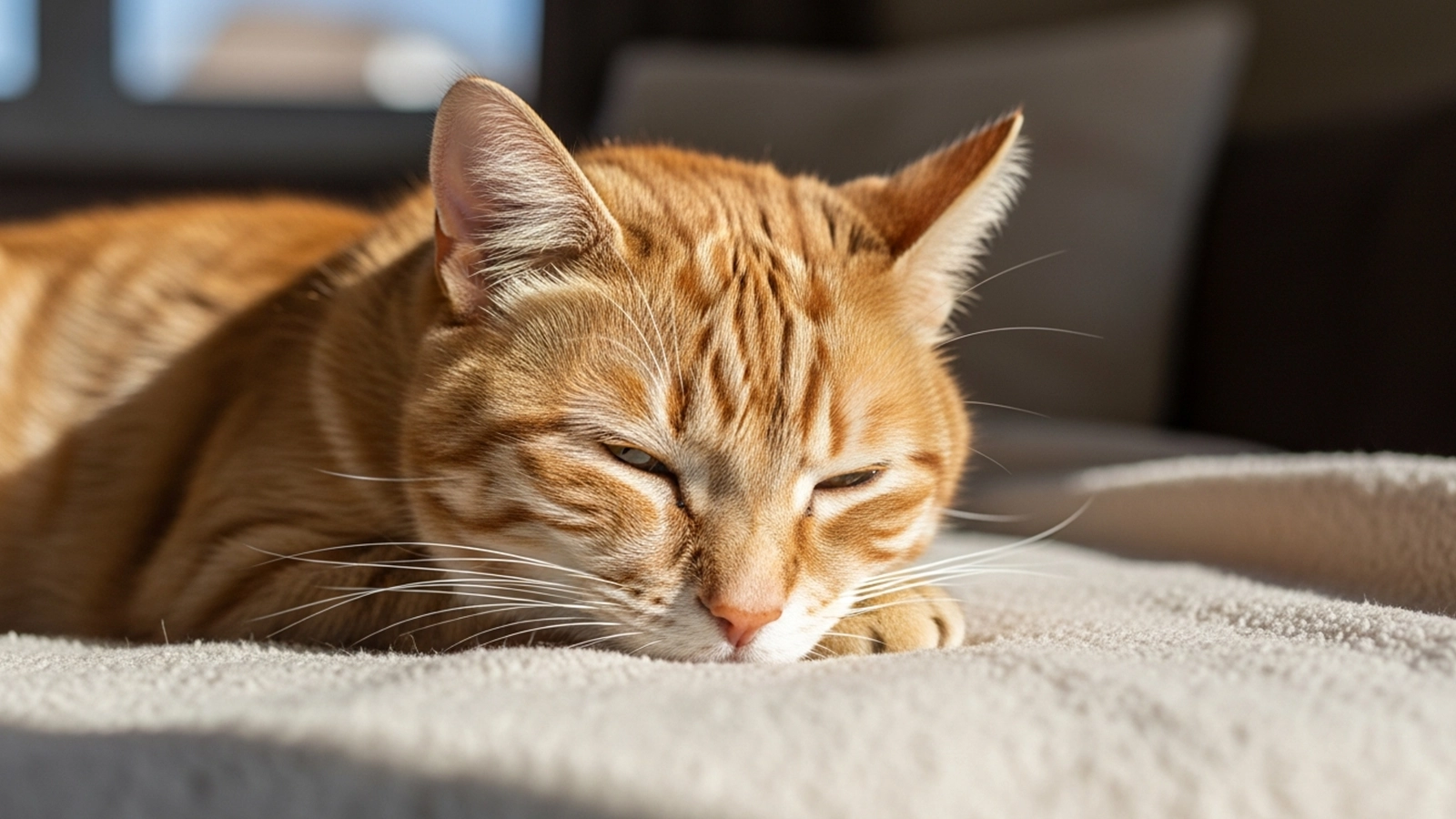
Understanding this arc—from resilience through adaptation to fragility—clarifies why health cannot be preserved through isolated fixes. It must be supported as a living system, one that changes shape as the cat changes. In honoring that system, care becomes less about correction and more about companionship: walking alongside a body as it learns, adjusts, and ages within the world it inhabits.
To see a cat clearly at the end of this arc is to understand that well-being is not something delivered from the outside. It is something co-created. A cat does not simply receive care; it responds to it, reshapes itself around it, and integrates it into its internal logic. Every interaction, every environmental choice, every rhythm established within the home becomes part of the cat’s ongoing calculation about the world. Over time, those calculations harden into expectations. Expectation, in turn, becomes physiology.
This is why the deepest layer of care is relational rather than procedural. Procedures can address specific needs, but relationships shape how those needs are experienced. A cat that feels fundamentally secure will tolerate discomfort, change, and intervention far better than one that does not. Security is not indulgence. It is the quiet confidence that the world is intelligible, that signals are respected, and that recovery is possible.
At this level, health reveals itself less through outward vitality and more through adaptability. The cat that can rest deeply, engage briefly, retreat without anxiety, and re-engage later is a cat whose system remains fluid. Fluidity allows adjustment without collapse. It allows curiosity without recklessness, caution without paralysis. This balance is not achieved through stimulation alone or calm alone, but through a rhythm that includes both.
The home itself becomes a living participant in this rhythm. Spaces are not neutral. They invite or inhibit movement, observation, privacy, and connection. Verticality, enclosure, openness, softness, and light all influence how a cat distributes its body through space. A well-aligned environment does not force a single mode of living. It offers options. Options allow regulation. Regulation preserves health.
This principle extends to social dynamics as well. Whether a cat lives with humans alone or alongside other animals, the quality of interaction matters more than quantity. Predictable, respectful contact builds trust. Trust lowers baseline tension. Lower tension improves sleep, digestion, immune responsiveness, and pain tolerance. The body responds not to affection as an idea, but to its physiological effect.
Misalignment often arises not from neglect, but from misunderstanding. Humans may interpret stillness as contentment, compliance as comfort, silence as peace. Cats, however, are masters of quiet endurance. A cat that has learned its signals are ignored will stop sending them. The absence of protest is not the presence of well-being. True well-being remains expressive, even if subtly so.
Relearning to notice expression requires slowing down perception. It means watching patterns rather than incidents, tendencies rather than exceptions. It means noticing not just what the cat does, but how easily it does it. Ease is a powerful indicator. A body in ease moves without hesitation, rests without tension, and engages without urgency. When ease diminishes, something in the system is working harder than it should.
This awareness changes the role of the caregiver. The task is no longer to optimize, fix, or perfect, but to listen and respond. Responsiveness does not imply constant change. In fact, it often means maintaining stability. Consistency is soothing when it aligns with the cat’s needs. Change is supportive when it reduces friction. Both require observation rather than assumption.
As the cat ages, this responsiveness becomes even more important. Aging is not merely decline; it is redistribution. Energy shifts away from exploration and toward maintenance. The body asks for smoother transitions, gentler demands, clearer signals. When these requests are met, aging retains dignity. When they are ignored, aging becomes a struggle. The difference lies not in years, but in context.
Pain management, comfort, and emotional security converge here. A cat that feels supported does not need to retreat entirely from the world when discomfort arises. It can remain present, engaged at its own pace. This presence supports circulation, mental stimulation, and emotional connection, all of which feed back into physical health. Withdrawal, by contrast, accelerates isolation and decline.
The final layer of care is acceptance. Acceptance does not mean resignation. It means recognizing that health is not synonymous with youth, energy, or constant activity. Health is the ability to inhabit one’s body without persistent distress. A quiet cat can be healthy. A playful cat can be healthy. What matters is not the expression, but the absence of chronic strain beneath it.
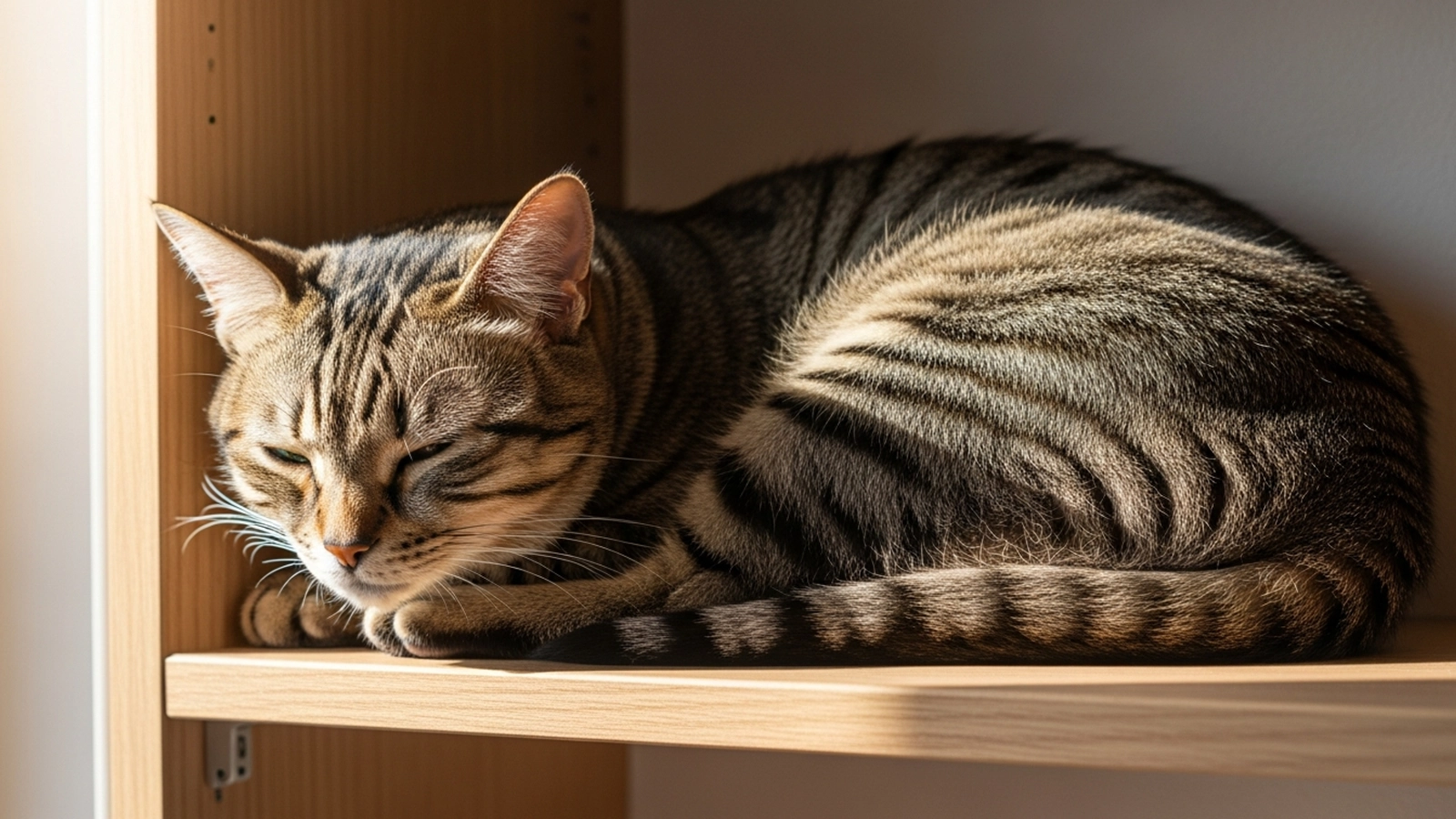
When all these elements align—environment, relationship, rhythm, and respect—the cat’s life gains coherence. Coherence is not perfection. It allows for illness, injury, and change without shattering the system. It is what makes recovery possible and adaptation graceful. Without coherence, even small disruptions reverberate. With it, even significant challenges can be absorbed.
This perspective reframes the purpose of care entirely. Care is not about constant vigilance or control. It is about creating conditions that make vigilance unnecessary. It is about reducing noise so that the body can hear itself. In such conditions, the cat’s natural regulatory capacities reassert themselves. The body knows how to heal when it is not perpetually defending.
The longer one lives with a cat, the clearer this becomes. The most meaningful changes are rarely dramatic. They are the quiet improvements: deeper sleep, steadier appetite, softer movement, renewed curiosity. These changes signal not that the cat has been fixed, but that it has been given space to function as it was designed to.
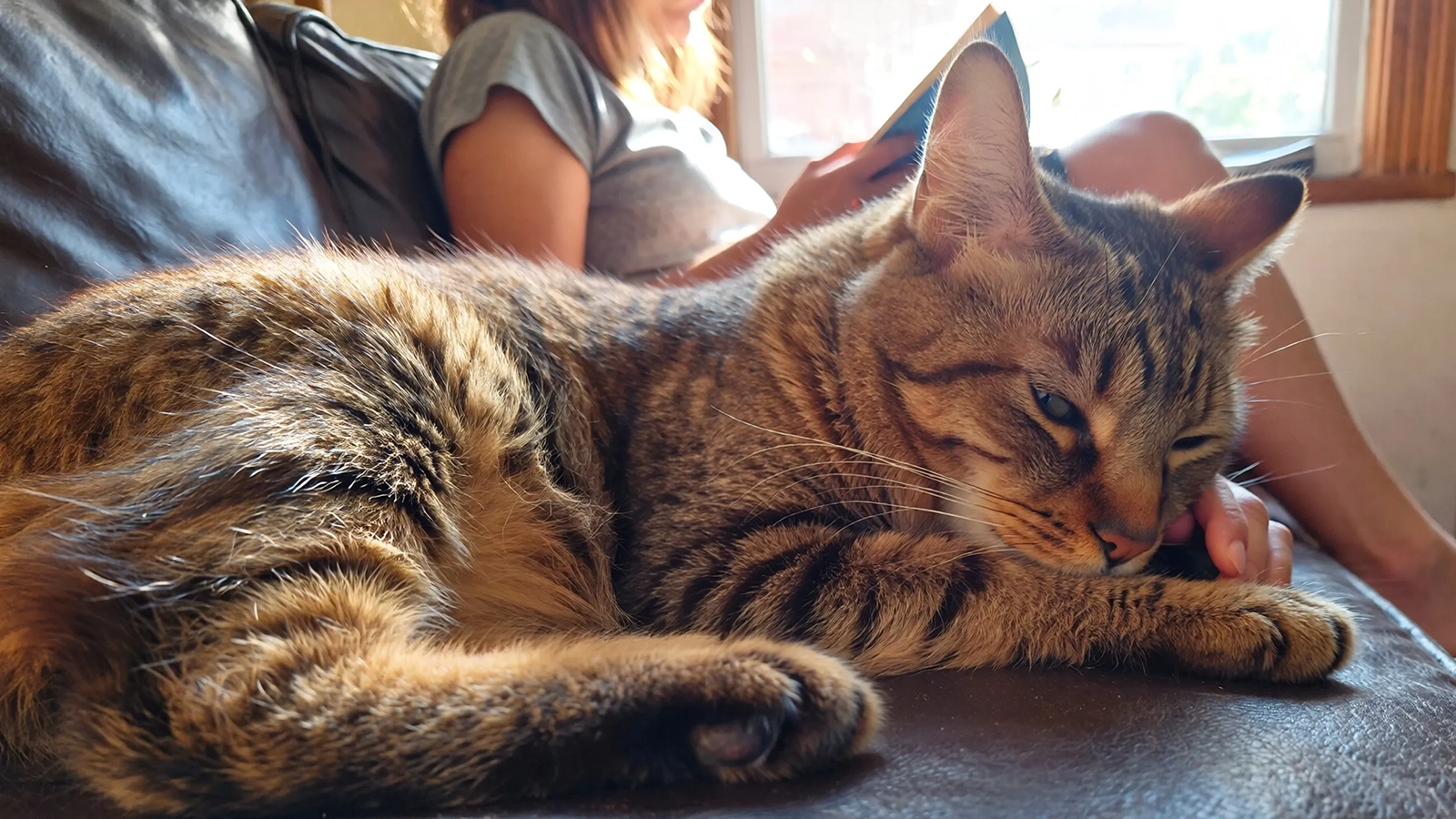
At its highest level, the bond between a cat and its caregiver is not one of management, but of partnership. The human provides structure, safety, and resources. The cat provides feedback, adjustment, and presence. When this exchange is honored, health becomes a shared achievement rather than a solitary burden.
This partnership does not require constant action. Often, it requires restraint: the willingness to pause, to observe, to allow the cat to lead in matters of its own body. Intervention has its place, but it is most effective when grounded in understanding rather than urgency. Understanding grows from time, attention, and humility.
In the end, the invisible architecture of a cat’s well-being is built from countless small decisions made consistently over time. None of them matter much on their own. Together, they shape a life that feels navigable from the inside. A life where the body is not an obstacle to be endured, but a place that can be inhabited with relative ease.
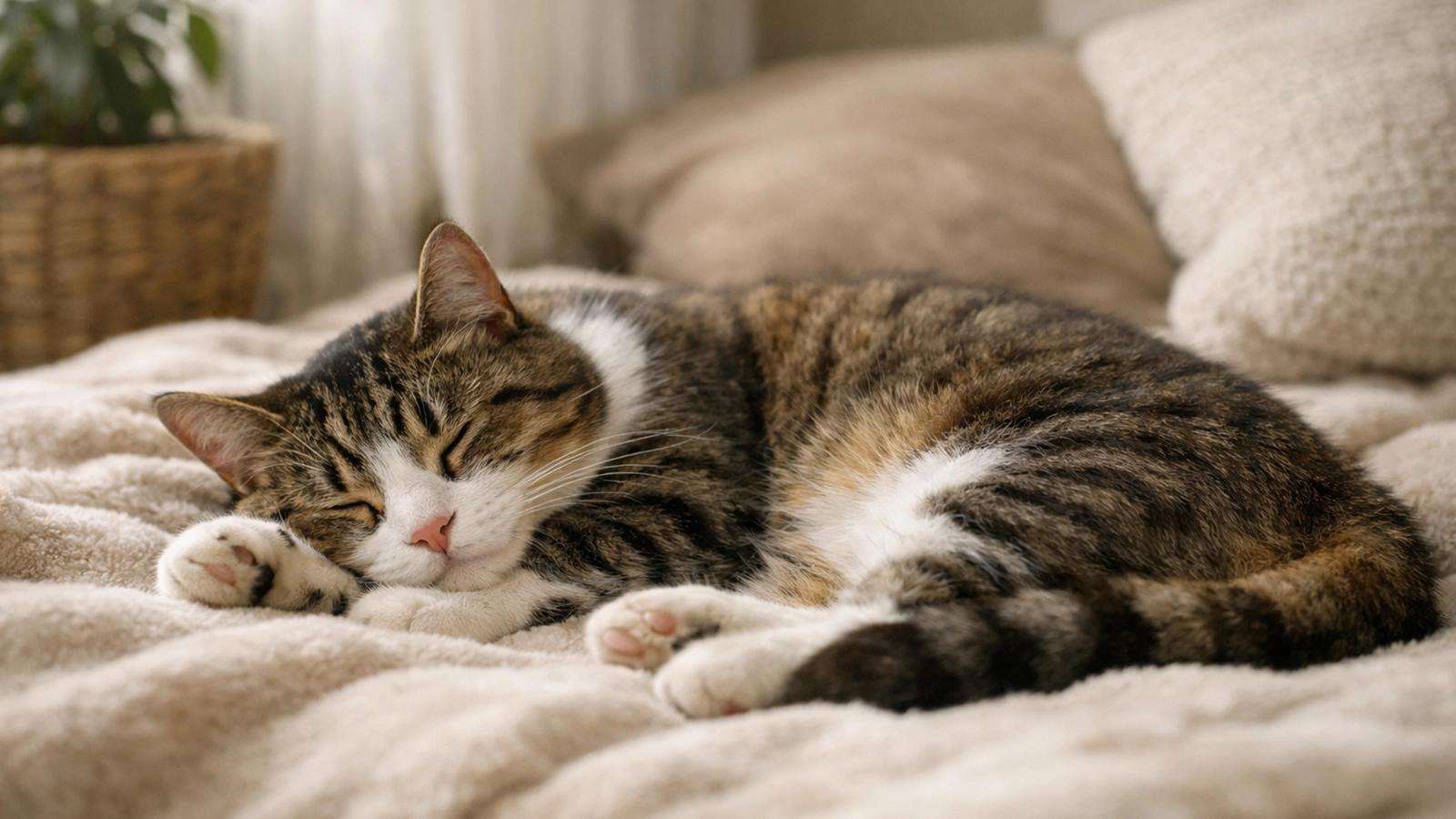
When such a life is possible, health stops being a goal and becomes a condition. It is not something constantly pursued, but something quietly maintained through alignment. In that alignment, the cat does not merely live longer or better. It lives more fully within the boundaries of its own nature, supported by an environment and a relationship that understand what it means to be well.
Long-term research from institutions like the Cornell Feline Health Center helps place everyday feline health observations into a broader biological and behavioral context.
https://www.vet.cornell.edu/departments-centers-and-institutes/cornell-feline-health-center