

Cats benefit most when food decisions are made with foresight rather than reaction. Once owners understand which human foods are technically safe, the next challenge is learning how preparation methods, hidden ingredients, and feeding context influence real-world outcomes. These subtleties often determine whether a well-meant treat supports health or quietly undermines it.
How Cooking Methods Change Food Safety for Cats
✔️ The way a food is prepared can be more important than the ingredient itself. Cats tolerate plain, cooked foods far better than raw or seasoned alternatives because cooking reduces bacterial load and softens fibers. Raw human foods, even when considered safe for people, may carry pathogens that a cat’s digestive system cannot handle.
Boiling, steaming, or baking without additives are the safest preparation methods. Frying introduces fats that are difficult for cats to digest and may trigger pancreatitis in sensitive individuals. Even small amounts of oil or butter can cause gastrointestinal upset when consumed regularly.
Temperature also matters. Food should be cooled to room temperature before serving to avoid oral burns or food aversion. Consistent preparation practices help cats associate treats with comfort rather than stress or discomfort.
Seasonings, Additives, and Hidden Ingredients to Avoid
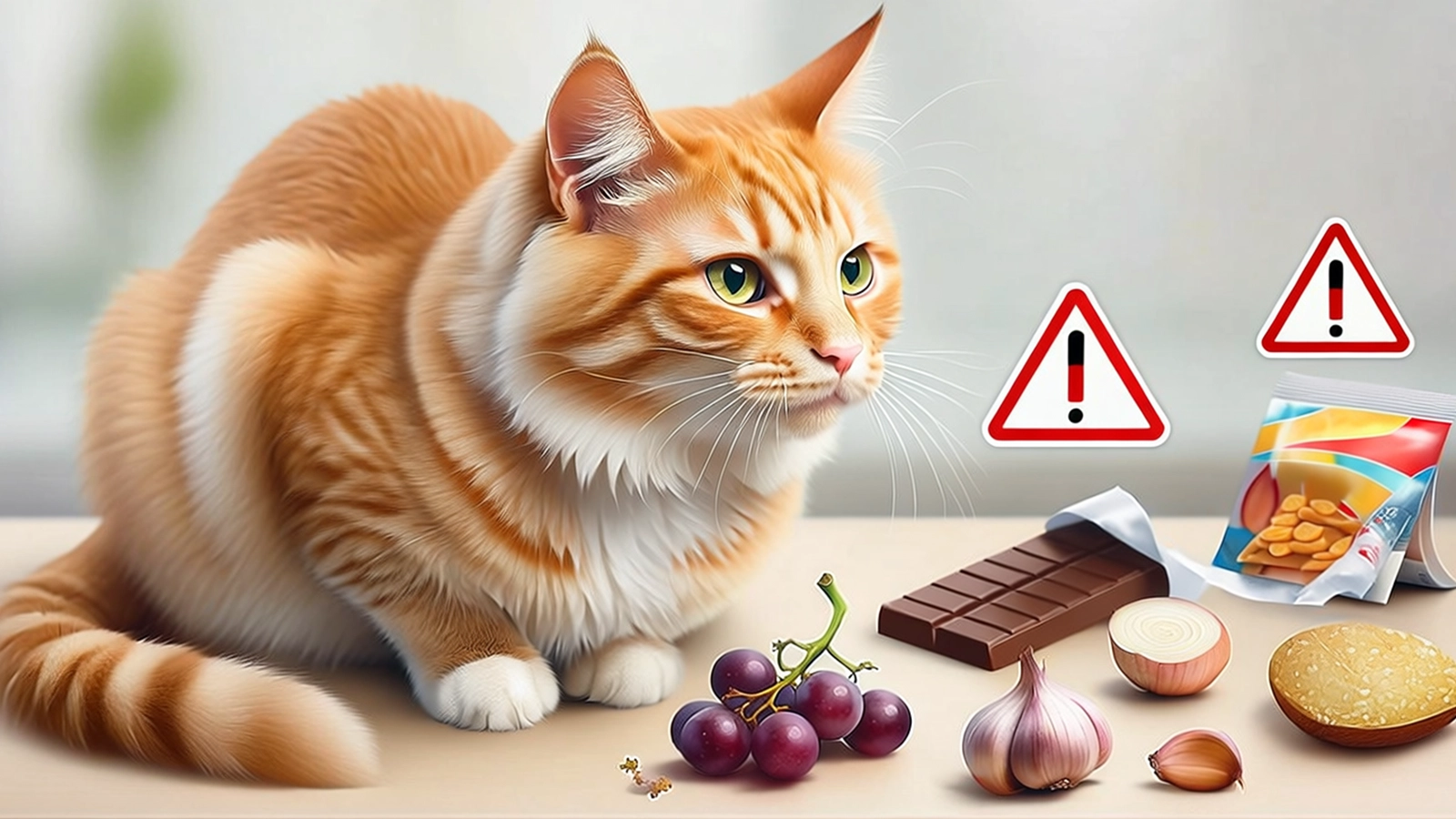
⚠️ Many human foods become dangerous to cats only after seasoning. Garlic and onion, whether fresh, powdered, or cooked, damage feline red blood cells and can lead to anemia. These ingredients are common in soups, broths, and marinades, making shared table foods especially risky.
Salt is another hidden threat. Cats have a low tolerance for sodium, and excess intake increases thirst and urinary strain. Processed or preserved foods often contain sodium levels far beyond what a cat can safely consume, even in small bites.
Artificial sweeteners, particularly xylitol, should never be offered to cats despite limited research compared to dogs. When ingredient labels are unclear or complex, the safest choice is avoidance. Simplicity protects feline health far more reliably than experimentation.
Treats vs. Supplements: Understanding the Difference
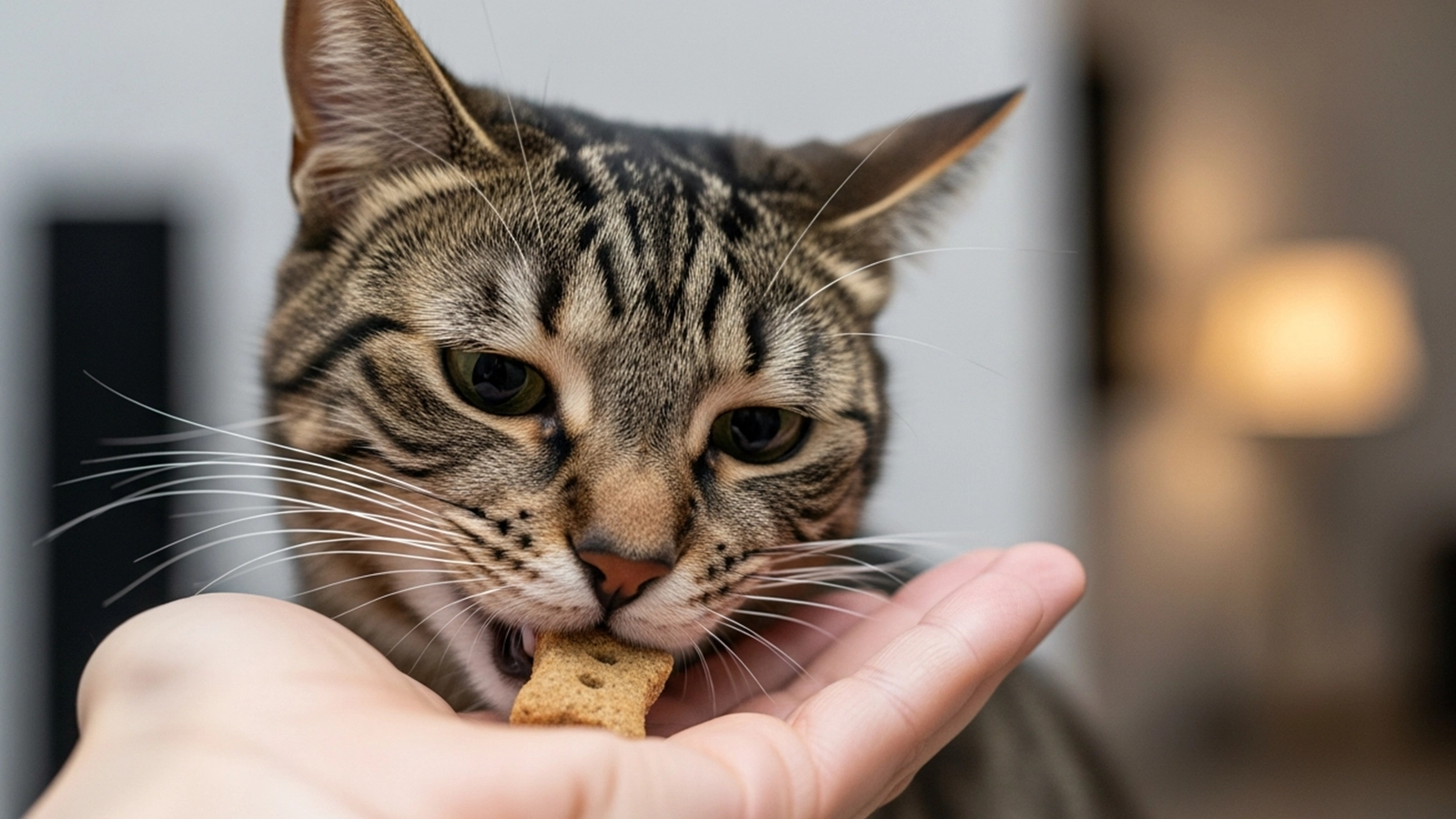
💡 Human foods should always be classified as treats, not supplements. A supplement implies nutritional necessity, while treats are optional and experiential. Confusing the two can lead owners to overestimate the health value of shared foods.
Cats do not require dietary variety to remain mentally stimulated. Enrichment can come from play, scent, or texture rather than caloric novelty. Treats should enhance bonding, not compensate for boredom or emotional projection.
When owners view human foods as supplements, portion creep often follows. Treat portions slowly increase, and frequency becomes habitual. Framing treats as rare, intentional interactions helps preserve both nutritional balance and behavioral clarity.
Digestive Sensitivities and Individual Cat Differences
✔️ Not all cats respond the same way to identical foods. Genetics, age, gut microbiome composition, and prior diet history all influence digestive tolerance. What causes no reaction in one cat may trigger vomiting or diarrhea in another.
Older cats often have reduced digestive efficiency and may struggle with richer foods. Kittens, while more resilient, still require tightly balanced nutrition to support growth. Introducing new foods gradually allows owners to observe reactions before problems escalate.
Signs of intolerance are not always immediate. Subtle changes such as softer stools, increased shedding, or mild lethargy can indicate that a food is not well tolerated. Monitoring patterns over several days provides clearer insight than focusing on a single meal.
Human Foods and Behavioral Conditioning
🐾 Feeding behavior shapes long-term habits. Cats quickly associate certain sounds, locations, or routines with food rewards. Offering human food at the table or during cooking can reinforce begging or counter-surfing behaviors.
Establishing boundaries protects both nutrition and household harmony. Treats should be offered in designated areas and at predictable times. This clarity reduces anxiety and prevents cats from viewing every human meal as an opportunity.
Behavioral conditioning also affects appetite regulation. Cats that receive frequent treats may self-limit less effectively at mealtime. Maintaining structure supports healthier weight management and reduces stress-related eating behaviors.
When to Avoid Human Foods Entirely
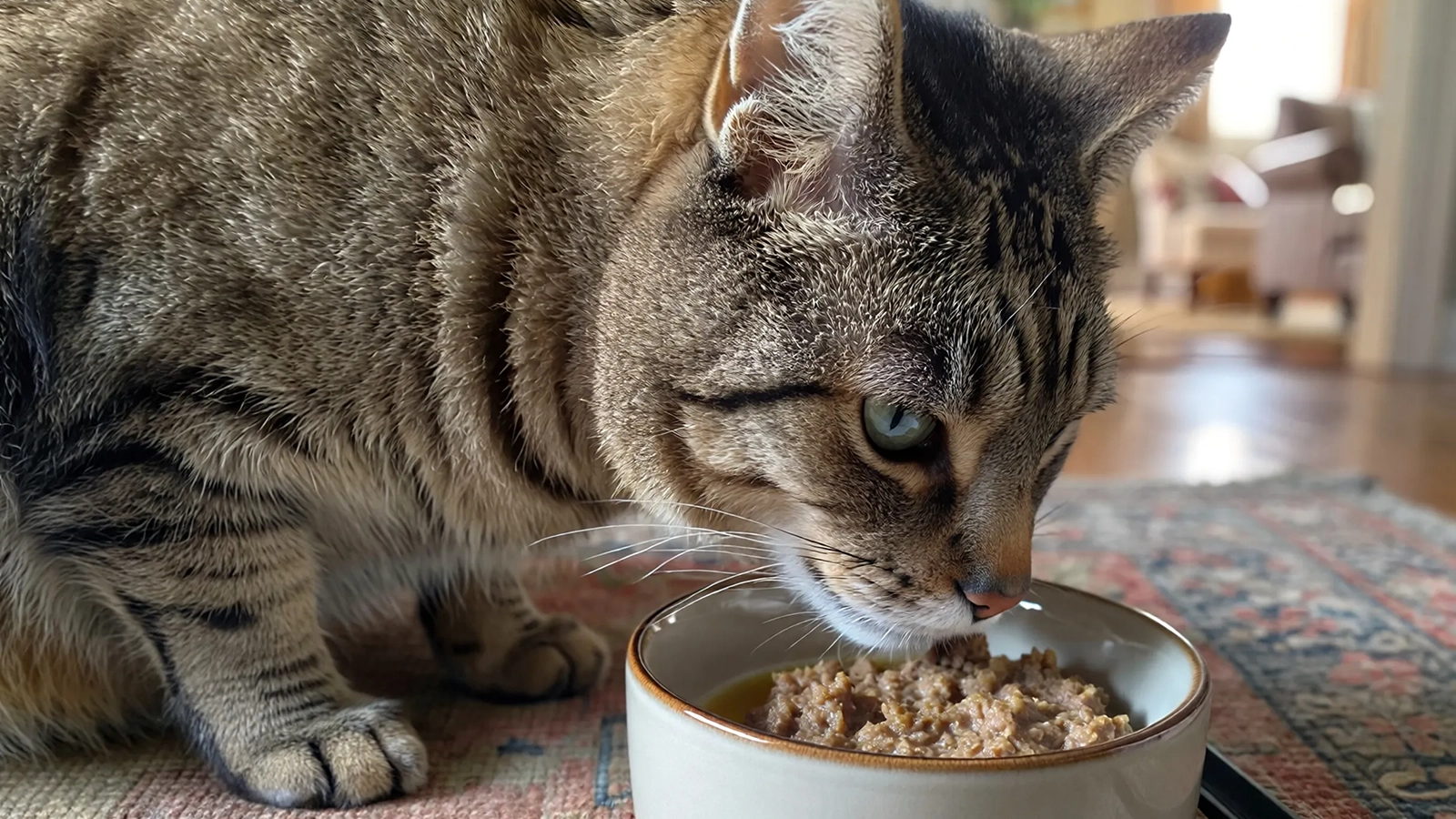
❌ Certain cats should not receive human foods at all. Cats with kidney disease, diabetes, food allergies, or gastrointestinal disorders require strict dietary control. Even small deviations can interfere with medical management and symptom stability.
Prescription diets are formulated to control specific nutrient ratios that human foods cannot replicate. Introducing outside foods may negate therapeutic benefits and complicate veterinary assessments. Consistency becomes a form of treatment rather than preference.
In these cases, owners often struggle emotionally with restriction. Reframing food as medicine helps reduce guilt and reinforces the importance of long-term wellbeing. Understanding how wet and dry diets influence long-term feline health provides valuable context when dietary flexibility is limited.
Practical decision-making around food becomes most effective when safety rules are paired with long-term perspective. At this stage, the focus shifts from what cats can eat to how food choices shape health trajectories over months and years. Subtle patterns, not isolated treats, determine outcomes.
Reading Cat Reactions Beyond Immediate Symptoms
✔️ Cats rarely communicate discomfort in obvious ways, which makes food-related reactions easy to overlook. Unlike dogs, cats tend to internalize stress or digestive discomfort rather than display dramatic symptoms. This means that food-related issues often appear as gradual behavior changes rather than acute illness.
Owners may notice reduced playfulness, altered sleep patterns, or changes in grooming habits after introducing new foods. These signs can emerge days later, making cause-and-effect harder to trace. Keeping mental notes about new foods and timing helps reveal connections that would otherwise be missed.
Veterinary nutritionists often emphasize pattern recognition over single incidents. A single episode of loose stool may not be alarming, but repeated subtle changes suggest a mismatch between food and feline physiology. Awareness at this level prevents minor issues from becoming chronic problems.
Balancing Enrichment With Nutritional Discipline
💡 Food is often used as emotional enrichment, but enrichment does not have to be edible. Cats benefit more from predictable routines and interactive engagement than from dietary novelty. When food becomes the primary enrichment tool, it can distort a cat’s relationship with eating.
Using human foods to bond can unintentionally replace play, exploration, or training-based interaction. Over time, cats may seek stimulation exclusively through food, increasing the risk of overeating. This is particularly relevant for indoor cats with limited environmental variety.
Non-food enrichment, such as puzzle feeders with regular cat food or scent-based toys, maintains excitement without nutritional compromise. Treats retain their value when they remain rare and intentional. This balance supports both mental stimulation and metabolic stability.
Human Foods in Multi-Cat Households
✔️ Feeding dynamics become more complex when multiple cats share a home. Individual tolerance levels, dominance behaviors, and differing health needs make shared treats risky. A food that is safe for one cat may be inappropriate for another.
Competition can lead to overeating or stress-related eating behaviors. Cats may consume treats too quickly to avoid losing access, increasing choking risk or digestive upset. Separate feeding spaces help maintain control and reduce tension.
In households with mixed-age cats, kittens may consume foods intended for adults, disrupting growth nutrition. Senior cats may struggle with foods that are too rich or unfamiliar. Managing human food exposure requires structure and awareness rather than spontaneity.
The Role of Veterinarians in Food Decision-Making
🐾 Veterinarians are often consulted only after problems arise, but proactive discussion about treats can prevent issues altogether. Routine wellness visits provide an opportunity to evaluate whether occasional human foods fit a cat’s health profile. This is especially important as cats age or develop early-stage conditions.
Bloodwork trends, weight changes, and dental health all influence what foods are appropriate. A cat with borderline kidney values, for example, may need stricter protein source control even if symptoms are absent. Treat decisions should evolve alongside medical data.
Professional guidance also helps owners filter conflicting online advice. What works for one cat population may be inappropriate for another. Personalized recommendations are always more reliable than generalized lists.
How Food Choices Shape a Cat’s Invisible Health Systems
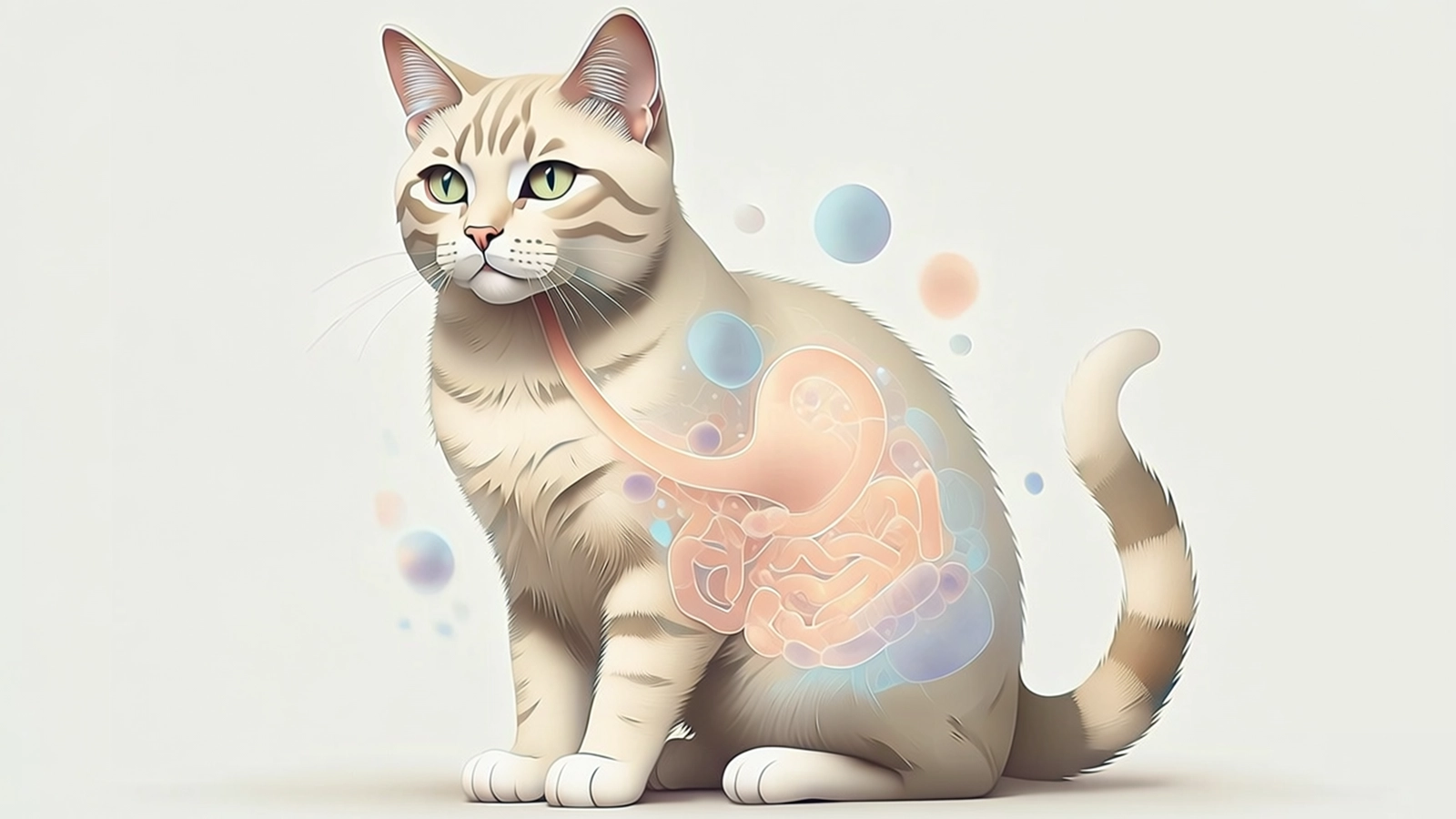
✔️ Nutrition affects more than weight or digestion; it influences immune response, inflammation, and stress resilience. The gut microbiome plays a central role in how cats process nutrients and respond to environmental challenges. Frequent dietary disruption can destabilize this system.
Human foods, even when safe, introduce variability that the feline gut may not adapt to easily. Over time, this can affect stool quality, nutrient absorption, and immune balance. Stability supports resilience, especially in indoor cats exposed to fewer environmental microbes.
This internal balance is often invisible until disrupted. Understanding the deeper systems that support feline wellbeing helps explain why consistency matters more than novelty. Food choices become part of a broader health architecture rather than isolated decisions.
Making Confident, Consistent Feeding Decisions
❌ Confidence in feeding comes from clarity, not restriction. When owners understand both boundaries and allowances, decision-making becomes calm and consistent. This reduces guilt-driven feeding and emotional overcompensation.
Creating simple personal rules, such as limiting treats to specific days or situations, removes daily negotiation. Cats adapt quickly to predictable patterns and show less food-seeking behavior when expectations are clear. Consistency benefits both parties.
Ultimately, safe human foods are tools, not necessities. Their value lies in intentional use, not frequency. When food decisions align with feline biology rather than human habit, long-term health remains protected without sacrificing connection.
External source: https://www.vets-now.com/2023/12/foods-poisonous-to-cats/