
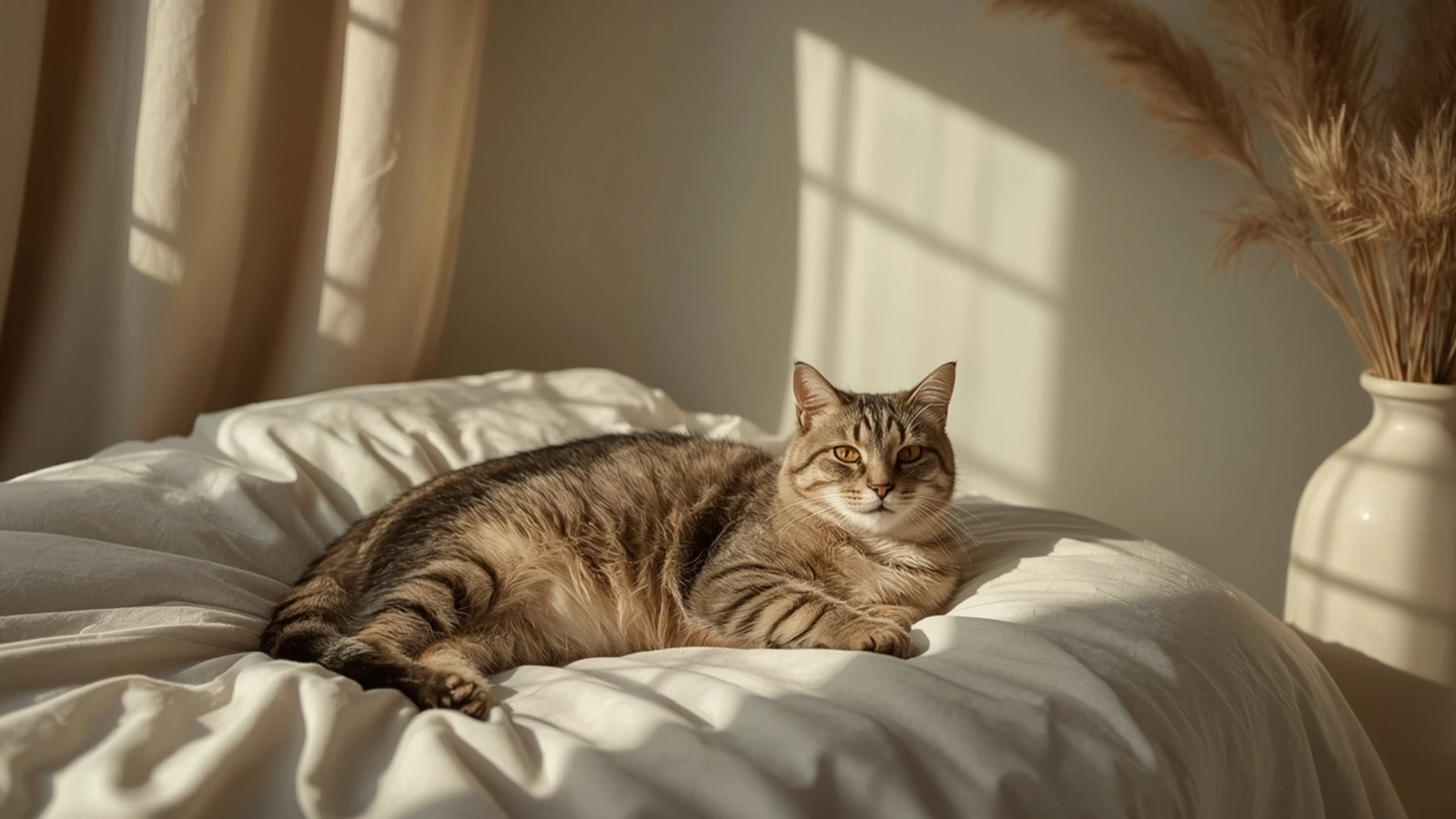
Aging gracefully isn’t just a human goal—our cats deserve it too. As cats enter their senior years, their needs quietly but significantly change. What once felt stimulating can become overwhelming, and what used to be effortless may now require extra thought. 🐾
Creating a stress-free home environment for senior cats isn’t about drastic changes. It’s about thoughtful adjustments, empathy, and learning to see your home through older feline eyes. With the right setup, your cat can feel safe, confident, and deeply at ease well into their golden years. 💛
Stress in senior cats often hides in plain sight. Subtle behavior shifts, changes in sleeping patterns, or withdrawal can all signal that the environment no longer supports their comfort. The good news? Most stressors are completely manageable once you know where to look.
Understanding Stress in Senior Cats
Stress affects older cats differently than kittens or young adults. Their bodies recover more slowly, and prolonged anxiety can worsen age-related conditions.
Why Senior Cats Are More Sensitive
As cats age, several factors contribute to increased stress sensitivity:
-
Reduced mobility and joint discomfort
-
Declining vision or hearing
-
Cognitive changes
-
Lower stress tolerance
-
Stronger attachment to routine
Even minor disruptions—like furniture rearrangement or new sounds—can feel significant.
Common Signs of Stress in Older Cats ✔️
Senior cats don’t always vocalize their discomfort. Instead, stress often appears as:
-
Increased hiding
-
Changes in grooming habits
-
Reduced appetite
-
Restlessness at night
-
Avoidance of favorite spots
-
Irritability or clinginess
Recognizing these signs early allows you to adapt the environment before stress compounds.
The Power of Predictable Routines
Consistency is comfort for aging cats. Routine gives them a sense of control and security.
Daily Structure Matters 💡
Senior cats thrive when daily events happen in predictable patterns:
-
Feeding at the same times
-
Play sessions at familiar hours
-
Regular sleep cycles
-
Predictable human presence
When life feels predictable, stress hormones stay lower—and comfort rises.
Gentle Transitions Are Key
If changes are unavoidable, introduce them gradually. Move furniture in small steps. Adjust feeding times slowly. Predictability helps senior cats process change without panic.
Creating Comfortable Resting Spaces
Rest becomes a central activity in a senior cat’s life. Quality rest directly affects mood, immunity, and pain levels.
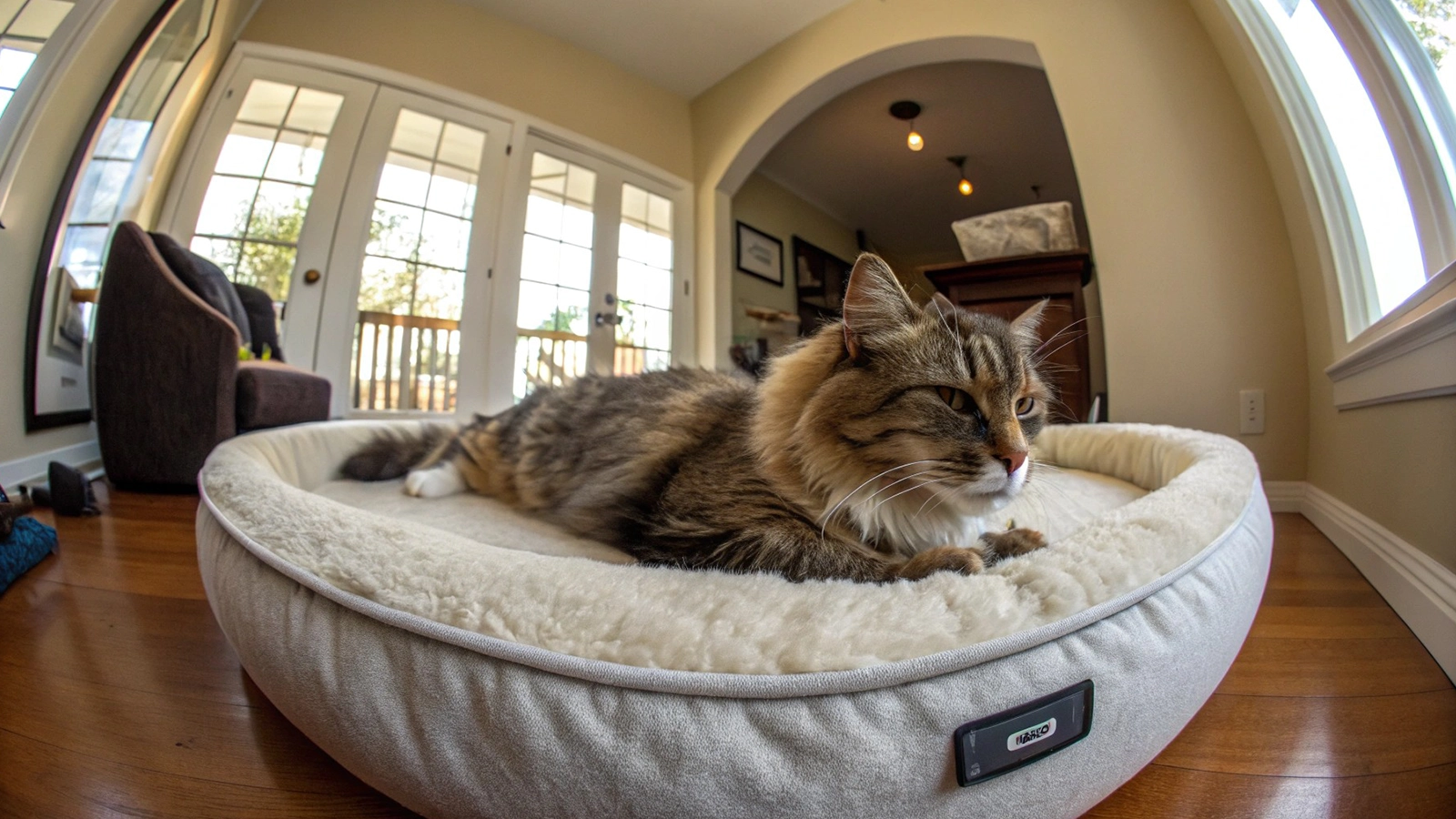
Ideal Resting Spot Checklist 💤
A stress-free resting area should be:
-
Quiet and low-traffic
-
Warm but well-ventilated
-
Easily accessible (no jumping required)
-
Soft yet supportive
Orthopedic beds can significantly improve joint comfort, especially for cats with arthritis.
Multiple Rest Zones
Senior cats appreciate options. Having several resting spots throughout the home allows them to adjust based on temperature, noise, or mood—without stress.
Reducing Noise and Sensory Overload
Aging cats often become more sensitive to sound and visual stimulation.
Managing Household Noise
Loud or sudden sounds can be disorienting. Consider:
-
Lower TV volume
-
Soft background music
-
Quiet closing of doors
-
Limiting exposure to vacuum cleaners
If noisy activities are unavoidable, ensure your cat has access to a quiet retreat.
Lighting Considerations ⭐
Good lighting helps senior cats navigate safely:
-
Avoid dim, shadowy hallways
-
Use night lights for nighttime navigation
-
Keep pathways clutter-free
Clear visual cues reduce confusion and anxiety.
Easy Access to Essentials
Mobility challenges can turn daily necessities into stress triggers.
Food and Water Placement 🍽️
Ensure bowls are:
-
On the same floor where your cat spends most time
-
Raised slightly for joint comfort
-
Far from noisy appliances
Avoid frequent location changes, which can confuse older cats.
Litter Box Accessibility 🚽
Senior cats need litter boxes that respect physical limitations:
-
Low-entry sides
-
Non-slippery flooring nearby
-
Multiple boxes in larger homes
Avoid placing litter boxes in basements or high-traffic areas.
Emotional Security and Human Connection
Senior cats often deepen their bond with trusted humans.
The Importance of Familiar Faces 😺
Older cats rely heavily on emotional reassurance. Calm interactions, gentle voices, and predictable affection reinforce safety.
Respecting Boundaries
While many senior cats become more affectionate, others may prefer quiet companionship. Let your cat set the pace.
Mental Stimulation Without Overwhelm
Cognitive engagement keeps senior cats mentally sharp—but moderation matters.
Low-Impact Enrichment Ideas 🧠
-
Gentle puzzle feeders
-
Window perches for bird watching
-
Short, slow-paced play sessions
-
Scent enrichment using familiar smells
Avoid overly stimulating toys that require jumping or fast reactions.
The Role of Familiarity
New toys should resemble old favorites. Familiar textures and shapes feel safer and more inviting.
Supporting Mobility and Physical Comfort
Joint stiffness and muscle loss can quietly increase stress.
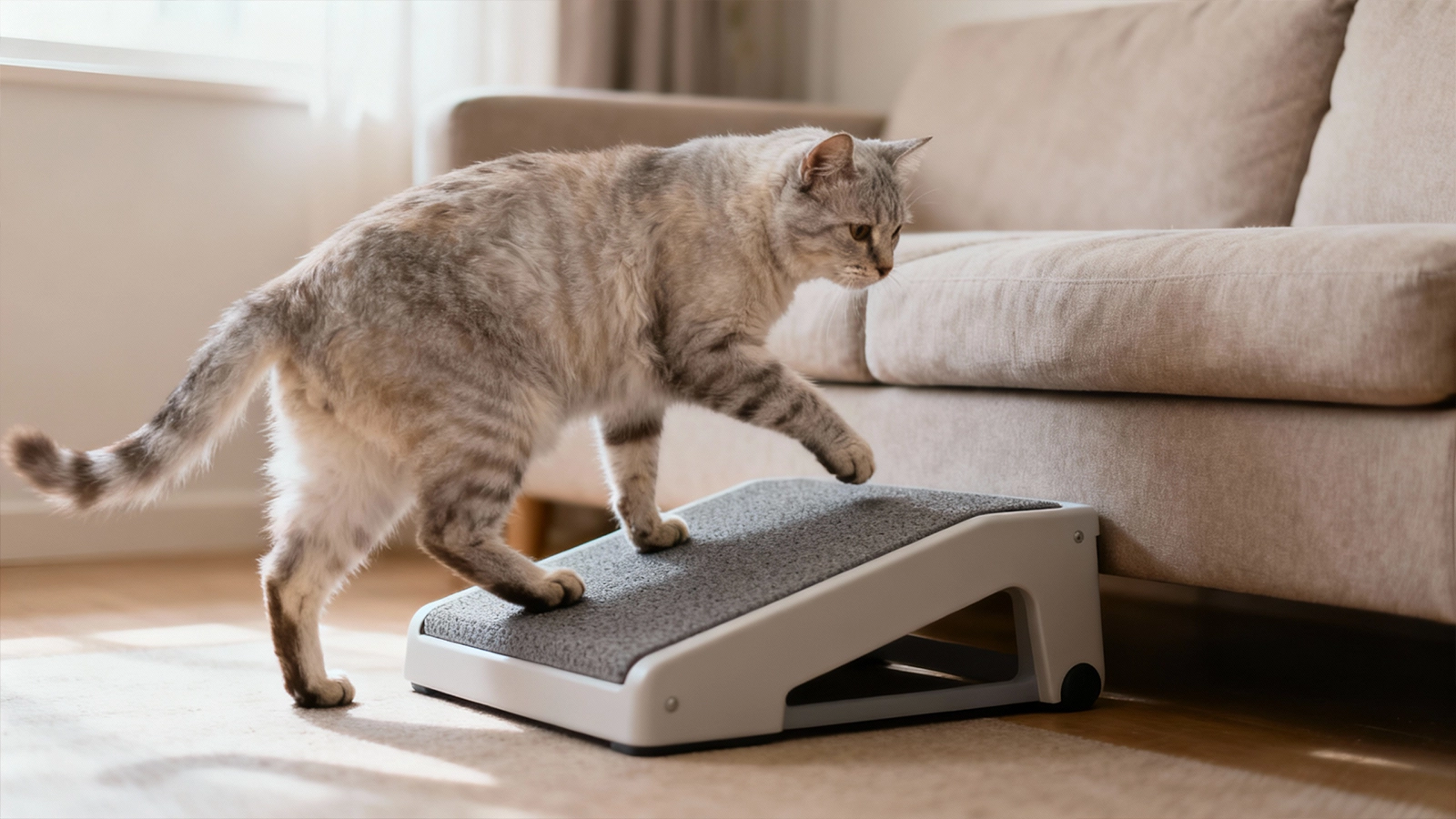
Simple Mobility Enhancements ✔️
-
Pet steps near beds or sofas
-
Non-slip rugs on smooth floors
-
Ramps for favorite elevated spots
Small adjustments dramatically improve confidence and independence.
Temperature and Climate Comfort
Senior cats often struggle with temperature regulation.
Keeping Them Warm ❄️➡️🔥
-
Heated cat beds (low and safe temperature)
-
Draft-free resting areas
-
Sunlit spots during the day
Avoid extreme temperature changes, which can increase discomfort.
Managing Household Changes Carefully
Life evolves—but senior cats need extra consideration during transitions.
New Pets or People
Introduce new household members slowly. Provide safe zones where your senior cat can retreat without pressure.
Renovations or Rearrangements
Keep one room unchanged as a familiar refuge. Familiar scents and layouts reduce anxiety during change.
The Role of Nutrition in Stress Reduction
Diet plays a surprisingly powerful role in emotional regulation and comfort.
Why Diet Affects Mood 💡
Proper nutrition supports:
-
Brain health
-
Joint comfort
-
Digestive ease
-
Stable energy levels
Senior cats benefit from diets tailored to aging bodies.
Micro-Story: Bella’s Quiet Corner
Bella, a 14-year-old tabby, began hiding under the bed after her family rearranged the living room. She wasn’t ill—just overwhelmed. Once a familiar armchair, her old bed, and a soft blanket were returned to a quiet corner, Bella reemerged within days, calm and affectionate once again.
Sometimes, stress relief is about restoring what feels known.
Setting Up a Senior-Friendly Home Checklist ✔️
-
Predictable routines
-
Quiet resting areas
-
Easy access to food, water, and litter
-
Mobility support
-
Gentle mental stimulation
-
Stable emotional connection
Each element works together to create a calm, reassuring environment.
Adapting the Home as Your Cat Ages
A senior-friendly home is not a fixed setup—it’s an evolving one. As your cat continues to age, their physical and emotional needs may shift subtly over time. The key to minimizing stress is observation paired with gentle adaptation.
Watch for Small Signals 🐾
Senior cats rarely announce discomfort loudly. Instead, they show it quietly:
-
Choosing different sleeping spots
-
Hesitating before jumping
-
Spending more time alone
-
Seeking reassurance more often
These changes don’t always signal illness—but they do signal that your cat’s environment may need adjustment.
Supporting Cognitive Changes With Calm Structure
Some senior cats experience mild cognitive decline. This doesn’t mean confusion all the time—but unfamiliarity can feel more unsettling than before.
How to Reduce Cognitive Stress 💡
-
Keep furniture placement consistent
-
Avoid sudden layout changes
-
Use familiar bedding and scents
-
Maintain consistent daily rhythms
Familiarity grounds older cats. When the world feels predictable, anxiety softens.
The Importance of Scent Stability
Scent is a primary comfort signal for cats, especially seniors.
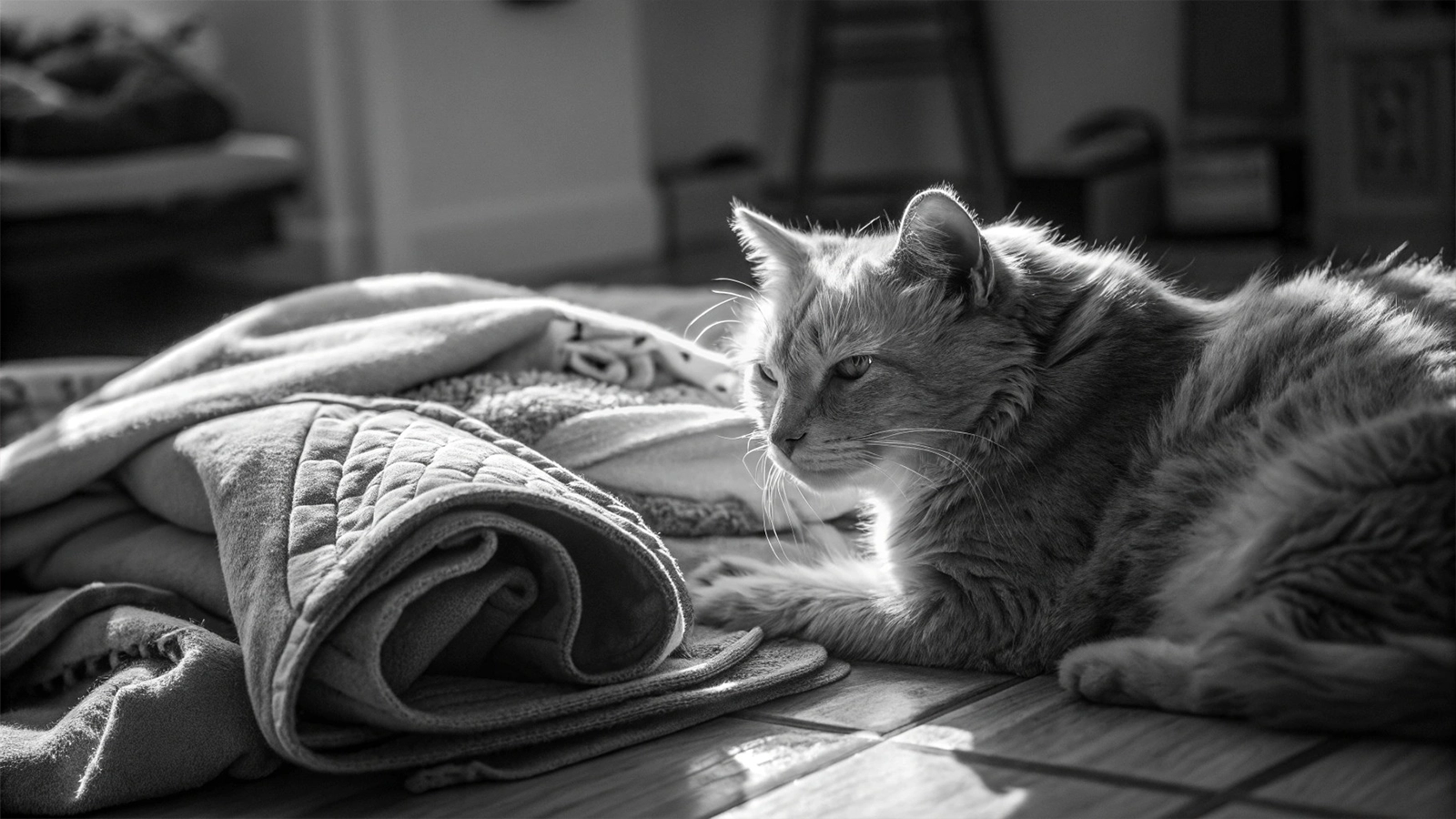
Preserving Familiar Smells ✔️
-
Avoid washing all bedding at once
-
Keep favorite blankets unaltered
-
Let your cat’s scent remain on resting areas
Over-cleaning can unintentionally remove comforting scent markers.
Encouraging Gentle Movement Without Pressure
While senior cats may slow down, gentle movement is still beneficial for circulation, joint health, and mental engagement.
Low-Stress Activity Ideas ⭐
-
Short wand-toy sessions at floor level
-
Encouraging slow walks between favorite spots
-
Gentle stretching during relaxed moments
Movement should feel optional—not demanded.
Creating Safe Vertical Access
Many cats love elevated spaces, but seniors need safer ways to reach them.
Vertical Comfort Without Risk 🧗♂️
-
Use wide, sturdy pet stairs
-
Avoid steep climbs
-
Place steps near windows and sofas
This preserves independence while reducing injury risk.
Managing Multi-Cat Households
Senior cats may become less tolerant of energetic companions.
Reducing Social Stress 🐱🐱
-
Provide separate feeding areas
-
Create exclusive resting zones
-
Allow your senior cat priority access to quiet spaces
Respecting personal space maintains harmony and reduces tension.
Nighttime Comfort for Senior Cats
Many older cats experience restlessness at night.
Making Nights Easier 🌙
-
Soft night lighting
-
A comfortable bed near familiar humans
-
Quiet reassurance without overstimulation
A calm nighttime environment improves sleep quality—for both of you.
Temperature Comfort and Seasonal Adjustments
Senior cats often feel temperature extremes more intensely.
Seasonal Comfort Tips ❄️☀️
-
Extra warmth in winter
-
Cooling mats or shaded areas in summer
-
Avoid sudden drafts or overheating
Stable temperature equals stable comfort.
The Emotional Role of Routine Interaction
Senior cats often value quiet companionship more than play.
Simple Ways to Provide Reassurance 💛
-
Sit near your cat without expectation
-
Speak softly and consistently
-
Offer gentle touch only when welcomed
Presence itself can be deeply calming.
Real-Life Insight: Oliver’s Favorite Spot
Oliver, a 15-year-old gray cat, stopped using his cat tree after developing joint stiffness. Instead of forcing activity, his owner added a padded step near the window sill. Oliver resumed his favorite sun-watching routine—without stress or pain.
Small changes often restore confidence.
Long-Term Stress Prevention Strategies
Creating a stress-free home is about consistency more than perfection.
Ongoing Best Practices ✔️
-
Observe behavior weekly
-
Adjust slowly, not suddenly
-
Prioritize comfort over novelty
-
Respect aging boundaries
-
Maintain emotional connection
When your cat feels heard, stress naturally fades.
Common Mistakes to Avoid 🚫
Even well-meaning changes can cause stress.
Avoid:
-
Frequent furniture rearranging
-
Loud, unpredictable environments
-
Forcing interaction
-
Ignoring subtle discomfort signals
-
Overstimulating play
Calm consistency always wins.
A Holistic View of Senior Cat Well-Being
Stress doesn’t exist in isolation. It interacts with health, mobility, diet, and emotional security.
When these elements align:
-
The immune system functions better
-
Sleep improves
-
Appetite stabilizes
-
Anxiety decreases
A peaceful home truly supports longevity.
Final Thoughts: Aging With Dignity and Comfort
Creating a stress-free home environment for senior cats is not about making dramatic changes, but about understanding their evolving physical and emotional needs and responding with thoughtful, consistent adjustments.
By maintaining predictable routines, offering easily accessible comfort zones, reducing environmental stressors, and supporting their health through proper nutrition and mental enrichment, you can significantly improve your senior cat’s overall quality of life. A calm, well-organized living space helps older cats feel secure, confident, and deeply bonded to their caregivers, allowing them to age gracefully in an environment that truly supports their well-being.
Senior cats give us years of companionship, quiet understanding, and trust. Creating a stress-free home environment is one of the most meaningful ways to honor that bond.
With gentle routines, thoughtful adjustments, and emotional presence, your home becomes more than a place—it becomes a sanctuary. 🐾💛
Your senior cat doesn’t need perfection.
They need familiarity, patience, and love.