
Many cat owners assume that keeping a cat strictly indoors automatically shields them from most health risks. After all, there are no stray animals to fight with, no unfamiliar environments, and no obvious exposure to contagious disease. This belief is understandable—but it’s also incomplete.
Vaccination for indoor cats isn’t about fear or worst-case scenarios. It’s about acknowledging how feline health actually works beneath the surface, including how viruses travel, how immune systems develop, and how small, unexpected exposures can quietly matter years later.
Indoor cats live in controlled environments, but they don’t live in sterile ones. Pathogens can hitch rides on shoes, clothing, open windows, visiting pets, or even human hands. More importantly, some vaccines don’t just prevent infection—they reduce severity, long-term complications, and stress on a cat’s body if exposure ever happens.
Before diving into specific vaccines, it helps to understand how a cat’s immune system learns, remembers, and protects.
How a Cat’s Immune System Learns to Protect Itself
A kitten’s immune system is not fully formed at birth. Early protection comes from antibodies passed through the mother’s milk, but this passive immunity fades within weeks. Vaccines step in to teach the immune system how to respond before a real threat appears.
Vaccination works by introducing harmless versions or components of viruses, allowing the body to build:
-
Immune memory
-
Faster response times
-
Reduced inflammatory reactions later in life
This preparation matters even when exposure risk feels low. When an unvaccinated cat encounters a virus for the first time, the immune system often overreacts or reacts too slowly—both of which can cause serious damage.
Indoor cats benefit from vaccines not because danger is constant, but because biology doesn’t rely on probability alone.
Core Vaccines Every Indoor Cat Still Needs
Veterinarians divide cat vaccines into core and non-core categories. Core vaccines are recommended for all cats, regardless of lifestyle, because the diseases involved are widespread, persistent, and severe.
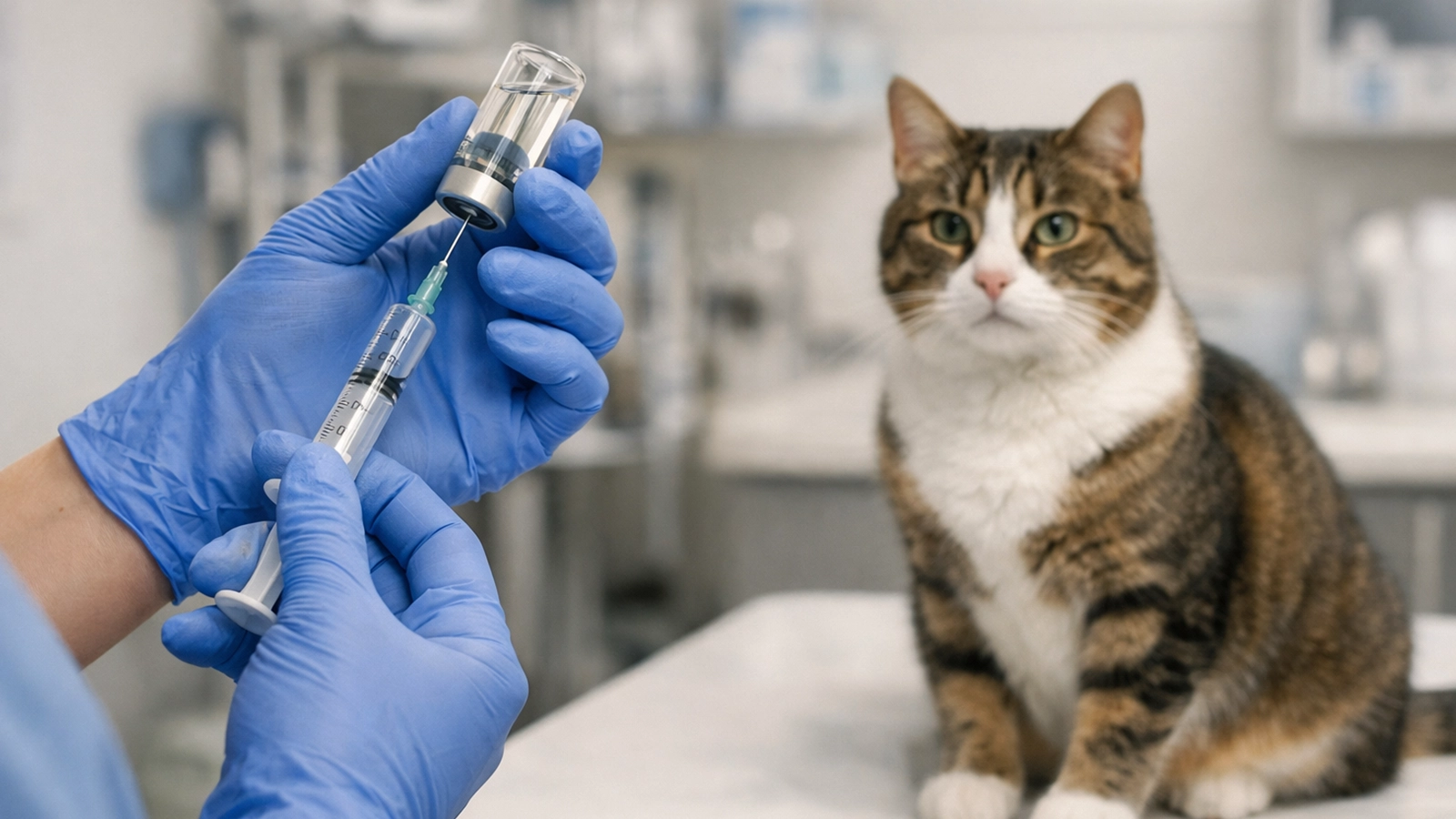
The three core vaccines for cats include:
-
Feline Panleukopenia (FPV)
Often called feline distemper, this virus is extremely hardy and can survive on surfaces for months. It spreads easily through contaminated objects and causes severe gastrointestinal and immune system damage. -
Feline Herpesvirus (FHV-1)
A leading cause of upper respiratory infections. Once infected, cats carry the virus for life, with flare-ups triggered by stress. -
Feline Calicivirus (FCV)
Another respiratory virus that can cause mouth ulcers, chronic inflammation, and long-term discomfort even after recovery.
These three are usually administered together as the FVRCP vaccine.
Even strictly indoor cats are at risk because:
-
The viruses can be carried on clothing or shoes
-
They are highly contagious and environmentally stable
-
Stress can worsen symptoms dramatically
Skipping these vaccines doesn’t eliminate risk—it removes a safety net.
Why Early Vaccination Timing Matters More Than Many Owners Realize
Vaccines are most effective when given according to a structured schedule, especially during kittenhood. Early gaps in protection can shape immune responses for life.
Typical timing includes:
-
First FVRCP at 6–8 weeks
-
Boosters every 3–4 weeks until 16 weeks
-
Adult boosters at veterinarian-recommended intervals
Delays or skipped boosters don’t just “pause” protection—they can reset immune learning entirely.
This broader perspective helps explain why veterinarians emphasize prevention even when a cat appears perfectly healthy.
Rabies: The Indoor Cat Debate Explained Calmly
Rabies often sparks the most resistance among indoor-only cat owners. The disease feels distant, extreme, and unlikely. But rabies vaccination is still widely recommended—and often legally required—because of how the disease behaves.
Rabies is:
-
Fatal once symptoms appear
-
Transmissible to humans
-
Carried by bats, which can enter homes unnoticed
A single bite or scratch from an infected animal—even one you never see—can be enough.
For indoor cats, rabies vaccination is less about daily exposure and more about absolute consequence. There is no treatment, no margin for error, and no safe observation period if vaccination history is unknown.
From a public health standpoint, rabies vaccination protects everyone involved: cats, owners, veterinarians, and communities.
Non-Core Vaccines: When Indoor Cats Might Need More
Not all indoor cats have identical lives. Some circumstances increase exposure risk, even without outdoor access.
Non-core vaccines may be considered if your cat:
-
Lives in a multi-cat household
-
Was adopted from a shelter
-
Has frequent visitors with pets
-
May board or visit a groomer
-
Has unknown early vaccination history
Examples include:
-
Feline Leukemia Virus (FeLV) – especially for younger cats
-
Bordetella – in high-density environments
These decisions should always be individualized, based on lifestyle rather than assumptions.
Understanding Vaccine Safety Without Fear
Modern feline vaccines are extensively tested and monitored. While mild side effects can occur, serious reactions are rare.
Common short-term reactions include:
-
Sleepiness for 24 hours
-
Mild soreness at injection site
-
Slight appetite reduction
Warning signs to watch for (and report immediately):
-
Facial swelling
-
Difficulty breathing
-
Persistent vomiting
-
Extreme lethargy
Spacing vaccines, using non-adjuvanted options when appropriate, and tailoring schedules for sensitive cats all help reduce risk further.
Vaccination is not about doing “everything possible.” It’s about doing what is appropriate, balanced, and protective.
As we move deeper into how vaccines intersect with stress, behavior, and long-term comfort, it becomes easier to see why immunity is only one piece of the indoor-cat health picture.
As cats move beyond kittenhood, vaccination decisions stop being simple medical checklists and start blending into everyday life—especially behavior, stress regulation, and how an indoor cat experiences its environment over time.
This is the stage where many thoughtful owners begin to hesitate. Their cat looks healthy. The home feels stable. Nothing seems urgent. But immune health doesn’t operate in isolation, and neither does stress. The two quietly shape each other every day.
The Overlooked Link Between Stress and Immune Strength
A cat’s immune system is closely tied to its emotional and neurological state. When stress becomes chronic—even at low levels—it can weaken immune responses and increase the likelihood that dormant viruses resurface.
Indoor cats are particularly vulnerable to subtle stressors because their world is smaller and more predictable. Even minor disruptions can feel significant.
Common indoor stress triggers include:
-
Sudden changes in household routines
-
New furniture layouts or blocked windows
-
Renovation noise or unfamiliar smells
-
Guests who bring pets on their clothing
-
Long stretches without play or stimulation
Cats rarely show stress the way humans expect. Instead of obvious fear, they often display quiet behavioral shifts that are easy to dismiss.
Nighttime Restlessness as a Quiet Warning Sign
Many indoor cat owners first notice something is “off” after dark.
When the house becomes quiet and stimulation drops, internal discomfort is harder for a cat to ignore. This is why immune strain, low-grade inflammation, or unresolved stress often surfaces at night.
Typical signs include:
-
Repeated nighttime vocalization
-
Wandering from room to room
-
Waking owners without clear cause
-
Difficulty settling into deep sleep
These behaviors don’t appear randomly. They often reflect a body struggling to maintain balance when its immune system is under subtle pressure.
This understanding matters when thinking about vaccination timing, because immune responses are strongest when stress is minimized.
Choosing the Right Moment for Adult Cat Vaccines
For adult indoor cats, vaccination isn’t about frequent injections. It’s about strategic support.
Modern veterinary guidance increasingly focuses on:
-
Individualized booster schedules
-
Avoiding unnecessary combination vaccines
-
Timing vaccines during periods of emotional stability
Vaccinating a cat during a stressful phase—such as a move, home renovation, or major schedule disruption—can temporarily tax the immune system more than necessary.
Better timing looks like:
-
Normal appetite and sleep patterns
-
Predictable daily routines
-
No recent environmental upheaval
This approach doesn’t weaken protection. In fact, it often strengthens immune memory by allowing the body to respond calmly and efficiently.
Why Multi-Cat Homes Change the Equation
Indoor cats may never go outside, but in multi-cat households, immunity becomes shared rather than individual.
Viruses like feline herpesvirus can remain dormant for years. A single stressful event—aging, illness, or emotional upheaval—can trigger viral shedding without obvious symptoms.
In shared environments, vaccination helps by:
-
Reducing viral shedding between cats
-
Lowering overall immune strain in the group
-
Preventing cycles of low-level reinfection
One under-vaccinated cat can unintentionally increase biological stress for others, even if everyone appears healthy on the surface.
Vaccination Considerations for Senior Indoor Cats
As cats enter their senior years, immune systems naturally become less adaptable. This doesn’t automatically mean vaccines should stop—it means decisions should be more nuanced.
Factors veterinarians consider include:
-
Overall organ health
-
Past vaccine reactions
-
Lifestyle stability
-
Presence of chronic conditions
Some senior cats benefit from continued core vaccines at extended intervals. Others may do better with carefully adjusted plans that prioritize comfort and resilience over routine schedules.
Age alone is not the deciding factor. The key question is how well the cat’s body handles small challenges.
Reducing Stress Around Veterinary Visits
For many indoor cats, the most stressful part of vaccination isn’t the injection—it’s the trip to the clinic.
Carriers, car rides, unfamiliar smells, and strange animals can overwhelm cats that rarely leave home.
Simple steps can dramatically improve the experience:
-
Keeping the carrier out year-round as a neutral space
-
Using pheromone sprays before travel
-
Scheduling appointments during quieter clinic hours
-
Maintaining calm routines after returning home
Reducing stress during veterinary visits doesn’t just make the day easier—it supports stronger immune responses and quicker emotional recovery.
When Avoiding Vaccines Backfires Emotionally
Some owners skip vaccines out of fear of side effects, but this can unintentionally increase long-term stress.
Unvaccinated cats often face:
-
More diagnostic testing if symptoms appear
-
Longer observation periods
-
Greater uncertainty during illness
These situations are far more disruptive than routine preventive care.
Vaccination, when thoughtfully planned, often reduces future medical anxiety rather than adding to it.
The Environment Still Matters More Than Most Owners Think
Immune health is never just about shots. It’s about how safely and predictably a cat experiences its world every day.
A cat that feels emotionally secure responds better to vaccines, recovers faster from stress, and maintains stronger long-term immunity.
As we move deeper into how trust, communication, and emotional understanding shape feline health, it becomes clear that vaccines are not isolated medical events. They are part of a larger system—one built on safety, predictability, and the relationship between a cat and the humans who care for it.
As vaccination decisions extend across a cat’s lifetime, the conversation naturally shifts from protection alone to something deeper: trust. For indoor cats especially, long-term health is shaped not only by what enters the body, but by how safe, understood, and emotionally supported that body feels day after day.
Vaccines play a role in this relationship—not as isolated medical interventions, but as experiences that either reinforce or weaken a cat’s sense of security.
Trust as a Foundation of Long-Term Health
Cats do not separate physical care from emotional context. To them, every handling experience, every routine disruption, and every unfamiliar sensation is interpreted through trust.
A cat that feels safe with its human caregiver tends to:
-
Recover faster from stress
-
Show fewer behavioral regressions after vet visits
-
Maintain more stable eating and sleeping patterns
-
Display clearer communication signals
This matters because immune function is not static. It is shaped continuously by stress hormones, sleep quality, and emotional predictability.
Vaccination experiences that respect trust—gentle handling, calm recovery, predictable routines—support both emotional and physical resilience.
Communication Patterns After Medical Stress
Some cats become quieter after veterinary care. Others become more vocal. Some withdraw, while others seek constant proximity.
These changes are not misbehavior. They are communication.
Post-vaccination behavioral signals may include:
-
Clinginess or increased following
-
Temporary avoidance of touch
-
Sleeping in unusual locations
-
Changes in grooming frequency
Rather than correcting these behaviors, the goal is to observe and respond calmly.
When this trust loop is respected, even sensitive cats tend to return to baseline quickly.
Why Routine Is the Ultimate Immune Support Tool
Routine is one of the most powerful health stabilizers for indoor cats.
Predictable patterns help regulate:
-
Cortisol (stress hormone) levels
-
Sleep-wake cycles
-
Appetite and digestion
-
Immune response efficiency
After vaccination or any medical event, maintaining routine is more important than adding stimulation or “making it up” to the cat.
Helpful post-care practices include:
-
Feeding at normal times
-
Keeping play gentle and familiar
-
Allowing rest without interruption
-
Avoiding new visitors or changes for a few days
Routine signals safety. Safety allows recovery.
When Vaccine Decisions Need Reevaluation
Vaccination is not a one-size-fits-all rulebook that never changes.
It’s appropriate to reassess when:
-
A cat develops chronic illness
-
Significant aging-related changes appear
-
A past vaccine reaction occurred
-
Lifestyle becomes more isolated or more social
Reevaluation does not mean abandoning protection. It means aligning medical care with the cat’s current physical and emotional capacity.
Open conversations with a veterinarian—focused on risk, comfort, and trust—are always more effective than rigid schedules followed without context.
The Emotional Cost of “Waiting Until Something Happens”
Some owners delay vaccines until a problem appears, believing they are sparing their cat unnecessary stress.
In reality, this approach often creates more disruption later.
Reactive care may involve:
-
Emergency vet visits
-
Extensive testing
-
Isolation or observation protocols
-
Heightened fear and confusion
Preventive care, when done thoughtfully, is quieter. It preserves normalcy rather than interrupting it.
Cats thrive on the absence of chaos far more than on bursts of intervention.
Indoor Cats Still Live in a Changing World
Even when a cat never steps outside, its environment is never completely static.
Life brings:
-
Aging humans with new schedules
-
Temporary visitors
-
Travel plans
-
Emergencies that require boarding or care changes
Vaccination ensures that when the unexpected happens, a cat’s body is prepared—even if its emotions are momentarily unsettled.
Protection buys time. Time allows trust to recover.
Supporting the Whole Cat, Not Just the Immune System
True indoor-cat health emerges when physical protection, emotional safety, and environmental stability work together.
Vaccines support the immune system.
Routine supports emotional balance.
Trust connects everything.
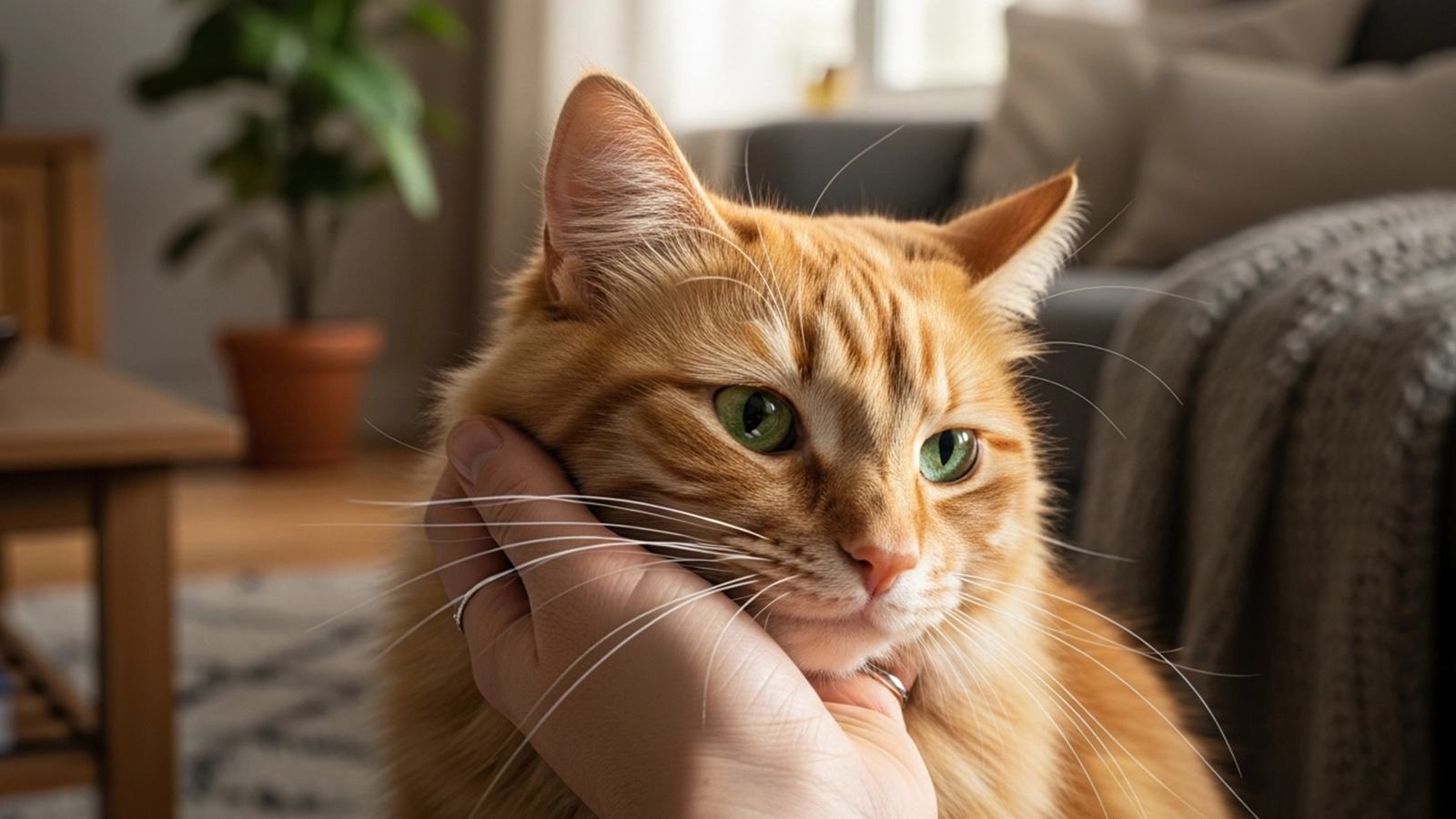
When these elements align, indoor cats don’t just avoid illness—they live with confidence.
A Calm, Balanced Way Forward
Understanding what your indoor cat truly needs doesn’t require fear, overprotection, or rigid rules. It requires attention, patience, and willingness to see health as a long conversation rather than a checklist.
Vaccination, when approached thoughtfully, becomes part of that conversation—not a disruption, but a quiet form of care that supports years of shared comfort.
For additional medically grounded guidance, these resources provide reliable, up-to-date information on feline vaccination and preventive care: