
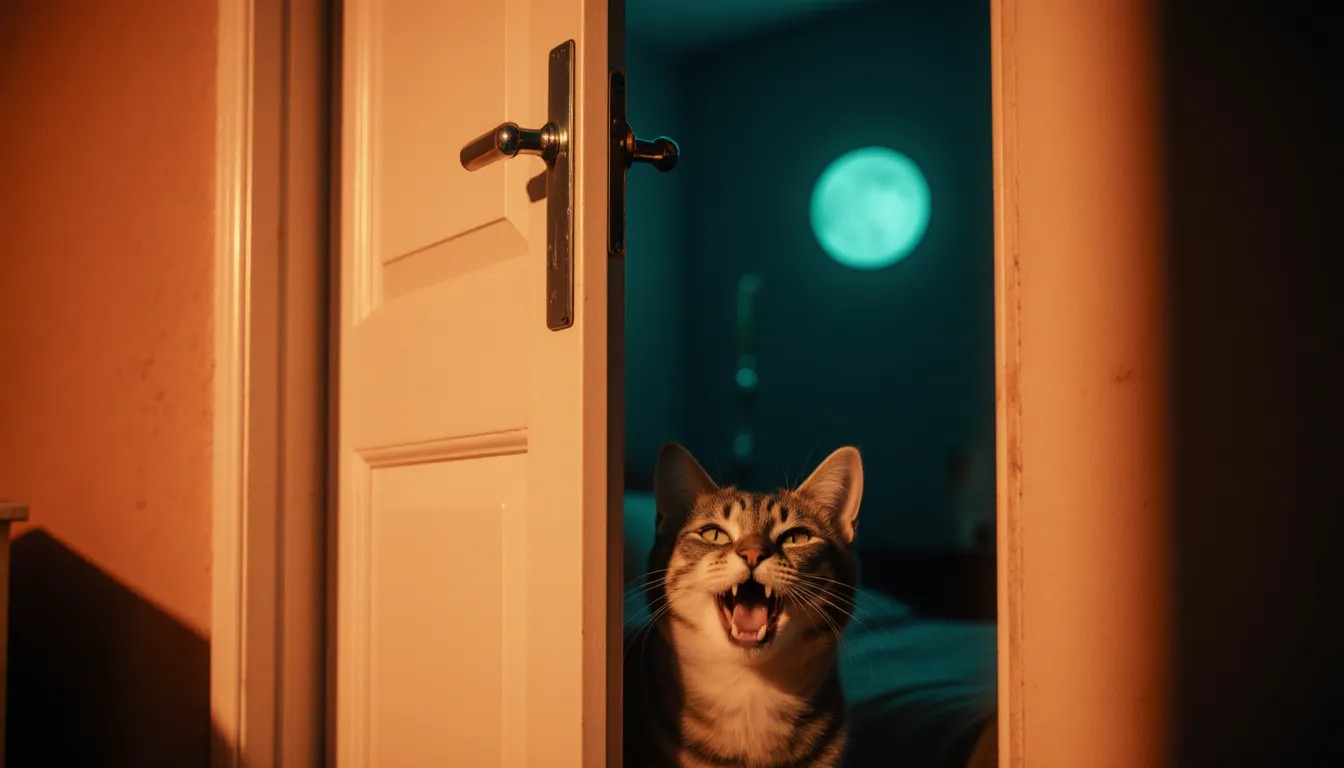
🐾 Why Your Cat Meows at Night and How to Stop It
If your cat has ever jolted you awake with dramatic midnight meowing, you’re definitely not alone. Many cat parents deal with this puzzling behavior, unsure whether their feline is hungry, bored, anxious, or attempting to communicate something more serious. While nighttime meowing can feel random or frustrating, it is never meaningless. Cats vocalize with purpose — especially in the quiet of night when their natural rhythms, instincts, and emotions come to the surface.
The good news? Once you understand why your cat meows at night, it becomes much easier to help them settle, sleep, and feel secure. This guide dives deep into the real reasons behind nighttime vocalization and gives you practical steps to restore peace, comfort, and uninterrupted sleep for both you and your cat. 🌙🐾
⭐ Understanding Nighttime Meowing: What’s Really Going On?
Cats are naturally crepuscular, which means their instinctive activity peaks during dusk and dawn. But indoor living, artificial lighting, and inconsistent routines can push these energy surges into late-night hours. What feels like a “random” meowing session to us is often your cat expressing an unmet need or responding to a trigger we may not notice right away.
Nighttime meowing typically falls into five categories:
-
✔️ Instinctual hunting energy
-
✔️ Hunger or feeding inconsistencies
-
✔️ Emotional stress or insecurity
-
✔️ Behavioral reinforcement
-
✔️ Medical discomfort
The key is learning to interpret your cat’s signals — a skill that becomes surprisingly intuitive once you know what to observe.
🐾 The Most Common Reasons Cats Meow at Night
Below are the major causes behind nighttime vocalization. Understanding which one fits your cat is the foundation for solving the problem.
Your Cat Has Unspent Energy
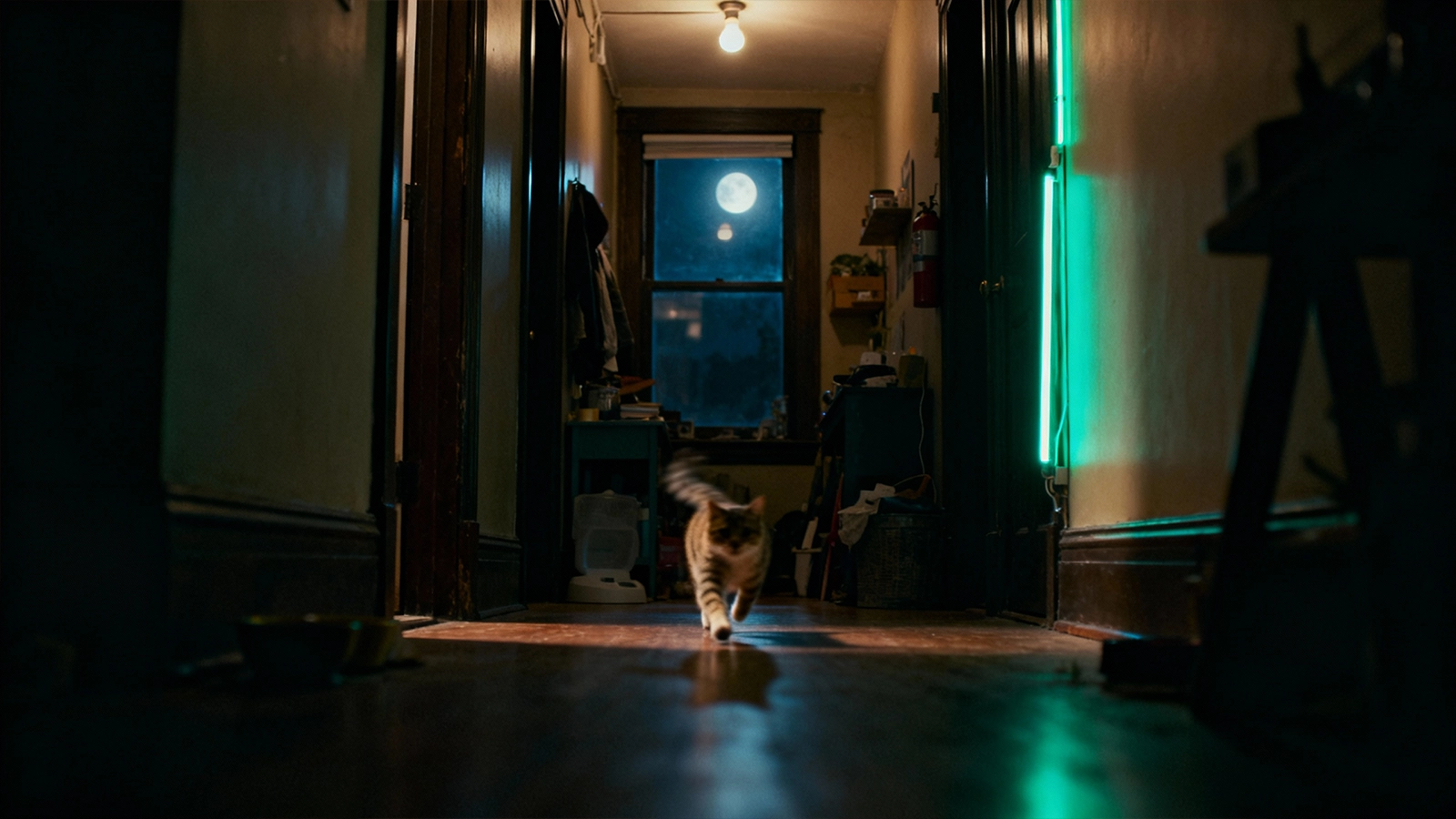
Indoor cats often don’t get enough physical or mental stimulation during the day. While they may nap for hours, their bodies still crave bursts of activity tied to ancestral hunting cycles. When that energy has nowhere to go, it spills into nighttime meowing, pacing, zoomies, or scratching at your door.
Signs energy is the culprit include:
-
Nighttime zoomies
-
Wandering or pacing
-
Meowing for interaction
-
Scratching doors or furniture
-
Sudden bursts of movement
Your Cat Is Hungry or Misaligned With the Feeding Schedule
Cats thrive on predictable routines, especially with food. If dinner is too early, or if calorie needs aren’t met, hunger can wake them abruptly in the middle of the night. Some cats, once accustomed to free feeding, become vocal when the bowl runs empty for even a short period.
Hunger-based cues include:
-
Meowing near food areas
-
Pawing the kitchen floor
-
Staring at you intensely when you shift in bed
-
Predictable early-morning wake-ups
Timed feeders are excellent tools for this particular issue, as they remove the association between “meowing” and “getting food from the human.”
Emotional Stress, Anxiety, or Change in the Household
Cats are sensitive creatures. Even tiny disruptions — a moved chair, a new smell, a different routine — can cause nighttime anxiety. And because night is quieter, these emotions often intensify.
Common stress triggers include:
-
New pets or people in the home
-
Moving to a new environment
-
Changes in work schedule
-
Loud nighttime noises
-
A new baby
-
Rearranged furniture
-
Lack of familiar scents
A micro-story from a reader:
Her usually quiet cat began crying loudly every night after she switched bedrooms. The cat wasn’t sick — he simply felt displaced and unsure of the new territory. Once familiar blankets and scents were reintroduced, the nighttime meowing stopped within days.
Your Cat Wants Attention or Companionship
Some cats crave company more than we realize. While they may seem independent during the day, nighttime can stir feelings of loneliness or separation anxiety — especially if your bedroom door is closed.
Cats may meow to request:
-
Play
-
Comfort
-
Physical closeness
-
Reassurance
-
Interaction
This is particularly true for:
-
Kittens
-
Recently adopted cats
-
Strongly bonded adult cats
-
Cats with separation insecurity
Territory Awareness or Outside Stimuli Triggering Vocalization
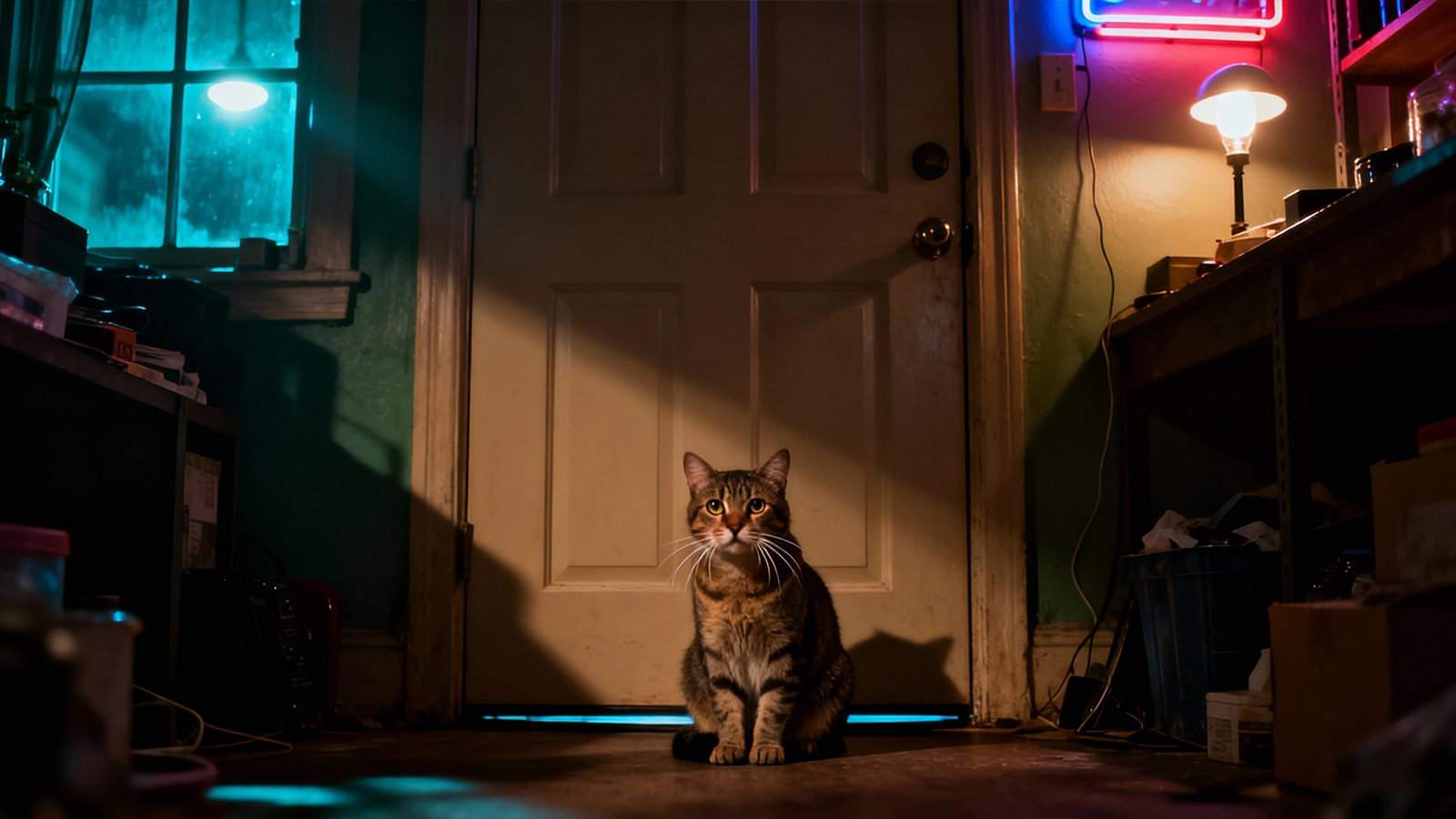
Cats have strong territorial instincts. At night, outdoor sounds and movements become more noticeable: stray cats, insects, rustling leaves, distant barking, moving shadows, streetlights flickering, and more.
Your cat may:
-
Meow loudly at windows
-
Pace or tail-twitch
-
Growl or chatter
-
Fixate on a particular corner of the house
This isn’t “bad behavior.” It’s instinctual protection of their perceived territory.
Senior Cognitive Changes
Older cats may experience nighttime disorientation known as Feline Cognitive Dysfunction (FCD). This condition resembles dementia and causes the cat to feel confused, lost, or anxious, especially in the dark.
Signs include:
-
Loud nighttime crying
-
Wandering
-
Staring into corners
-
Avoiding dark areas
-
Forgetting familiar paths
-
Disturbed sleep-wake cycles
Nightlights, predictable routines, and veterinary guidance can dramatically improve symptoms.
Medical Issues — The Most Critical Category to Rule Out
Illness can make nighttime symptoms more noticeable because distractions fade and discomfort becomes harder for a cat to ignore. Medical issues that may cause nighttime vocalization include:
-
GI discomfort
-
Dental pain
-
Hyperthyroidism
-
High blood pressure
-
Kidney disease
-
Urinary inflammation
-
Arthritis
-
Nausea
-
Neurological problems
Cats rarely cry at night “for no reason.”
Nighttime can amplify the sensation of pain or confusion, prompting vocalization.
🐾 How to Stop Nighttime Meowing — Practical, Proven Strategies
Now that we’ve explored the major causes, let’s move into solutions that truly work. These approaches are based on feline behavior science, veterinary insight, and years of real-world experience with cat owners.
1. Build an Evening Routine That Helps Your Cat Wind Down
Cats need structured energy release. A consistent pre-bed routine can dramatically reduce nighttime meowing.
A powerful nighttime schedule:
1️⃣ High-energy play session (10–20 minutes)
Use wand toys, feather teasers, or laser pointers (ending with a real toy catch).
2️⃣ A satisfying meal immediately after play
This mimics the natural “hunt → eat → groom → sleep” cycle.
3️⃣ Quiet bonding time
Soft brushing or cuddles.
4️⃣ Dim the lights
Helps regulate feline circadian rhythms.
5️⃣ Settle into nighttime calm
This combination reduces anxiety, burns energy, and promotes deeper rest.
2. Adjust Feeding Times or Meal Structure
If hunger or routine inconsistency triggers meowing, these changes work well:
-
Schedule dinner later in the evening
-
Use an automatic feeder for small overnight meals
-
Offer a protein-rich bedtime snack
-
Divide daily calories across more frequent meals
Cats rely on predictability. Even small shifts in timing can solve nighttime vocalization.
3. Increase Daytime Mental and Physical Enrichment
Many cats simply aren’t mentally stimulated enough. Enrichment reduces boredom, anxiety, and nighttime restlessness.
Effective enrichment ideas:
-
Food puzzle toys
-
Bird videos or real window perches
-
New scents or textures (cat-safe herbs or fabrics)
-
Interactive play rotation
-
Climbing shelves
-
Cat tunnels
-
Hide-and-seek treat games
Mini Checklist for Daily Enrichment
✔️ One interactive play session
✔️ One puzzle feeder activity
✔️ One exploration activity (box, blanket, new toy)
✔️ One scent enrichment exposure
✔️ One window or environmental observation period
CATS NEED THIS. Not for entertainment — but for emotional health.
4. Reduce Stress and Create a Calming Nighttime Environment
Cats are highly responsive to emotional atmosphere. If the home environment feels unpredictable, noisy, or unfamiliar at night, they may become vocal in an attempt to soothe themselves or reconnect with you.
Here are proven ways to ease nighttime anxiety:
✔️ Use calming pheromone diffusers
Products like Feliway mimic natural feline facial pheromones that communicate safety. They’re especially helpful for recently adopted cats, sensitive personalities, and multi-cat households.
✔️ Add soft background noise
A quiet fan, white noise, or soft nature sounds can help mask sudden outdoor noises that trigger alertness or territorial reactions.
✔️ Keep familiar scents nearby
Blankets, clothing, or beds that carry your scent can reassure an anxious cat during nighttime hours.
✔️ Offer cozy nighttime beds
Cats often want a warm, secure spot that feels protected. Semi-enclosed beds, heated mats, or plush resting nooks help them settle more easily.
5. Evaluate for Health Conditions — Especially if the Behavior Is New
If your cat has suddenly started meowing at night when they previously didn’t, a veterinary check may be essential. Cats instinctively hide illness, but nighttime often amplifies sensations like pain, nausea, dizziness, or discomfort.
Common medical causes include:
-
Hyperthyroidism (often causes increased appetite + vocalization)
-
High blood pressure (may cause confusion or restlessness)
-
Dental pain (worse when the house is still)
-
Kidney disease (nocturnal thirst or discomfort)
-
GI inflammation
-
Arthritis (difficulty settling into a resting position)
-
Cognitive decline in seniors
A thorough veterinary exam can reveal subtle changes that owners can’t detect at home.
6. Don’t Reinforce the Meowing (This Is the Hardest Part for Most Owners)
It’s natural to respond when your cat cries at night — after all, you love them!
But from a behavioral perspective, attention is a reward, even if that attention is negative.
❌ Avoid:
-
Getting up to feed
-
Opening the door
-
Petting or comforting in the moment
-
Talking back (“Shhh! Stop!”)
-
Playing because you’re awake anyway
All of these teach the cat:
“Meowing = I get what I want.”
And once that association forms, it becomes MUCH harder to break.
✔️ Instead:
-
Feed at consistent times
-
Use automated feeders
-
Provide ample daytime stimulation
-
Ignore nighttime vocalization unless it indicates distress
-
Create stable bedtime routines
Consistency is key. Behaviorists estimate it takes 10–14 days to fully extinguish reinforced nighttime meowing.
🐾 Special Considerations for Kittens and Senior Cats
Age plays a huge role in nighttime behavior. Tailoring solutions to your cat’s life stage can bring dramatic improvements in sleep, comfort, and confidence.
Nighttime Meowing in Kittens
Kittens meow at night for reasons tied to their developmental stage:
-
They miss the warmth of their mother and siblings
-
They’re adjusting to a new home
-
Their circadian rhythm isn’t fully developed
-
They have extra energy
-
They seek reassurance from their new family
Tools that help kittens sleep better:
-
A soft blanket with a familiar scent
-
A warm (not hot) heating pad or microwave-safe heat disc
-
Heartbeat-simulation toys
-
A nightlight
-
A predictable evening play-eat-sleep routine
Never punish nocturnal meowing in kittens — they are communicating genuine emotional needs.
Nighttime Meowing in Senior Cats
Older cats often meow at night due to:
-
Cognitive dysfunction (similar to dementia)
-
Arthritis making it hard to settle
-
Loss of vision or hearing
-
Changes in sleep-wake cycles
-
Confusion or nighttime anxiety
-
Increased thirst or urination
Simple adjustments make a world of difference:
-
Nightlights in hallways
-
Soft ramps to help them onto beds or sofas
-
Heated beds for arthritis relief
-
Keeping water and litter boxes easily accessible
-
Scheduling a veterinary exam for cognitive or pain-related issues
Aging cats rely heavily on predictable routines and environmental consistency — small changes can have big impacts on nighttime comfort.
🐾 Real-Life Example — “The Cat Who Cried Only at 4:07 AM”
One cat owner reported that her tabby, Olive, woke her up every morning at exactly 4:07 AM.
Not 4:00.
Not 4:15.
Always 4:07.
After some observation, the reasons became clear:
-
The neighbor’s outdoor motion light turned on at 4:00
-
Birds began chirping shortly after
-
Olive’s internal hunger cues aligned with this routine
-
The owner had unintentionally reinforced the behavior by feeding immediately
A corrected routine that included:
✔️ Pre-bed play
✔️ A meal before bedtime
✔️ Automatic feeder set for 4:15 instead of manual feeding
✔️ Blackout blinds
resolved the problem completely within one week.
Stories like Olive’s remind us that cats are creatures of pattern — and once you decode the pattern, the solution often becomes simple.
🐾 A Practical Nighttime Meowing Prevention Checklist
Use this checklist to create peaceful nights and support your cat’s behavioral and emotional well-being.
✔️ Daily Physical and Mental Stimulation
-
One high-energy play session
-
One slower, bonding play session
-
Access to vertical climbing spaces
-
Puzzle feeders or treat games
-
Window perches for natural enrichment
✔️ Healthy Routine Management
-
Predictable feeding schedule
-
A final meal near bedtime
-
Consistent lights-off routine
-
Automated feeder use (if needed)
✔️ Emotional Comfort
-
Pheromone diffusers
-
Soft background noise
-
Cozy nighttime bedding
-
Keeping doors partially open if your cat fears isolation
✔️ Environmental Security
-
Blackout curtains for outdoor triggers
-
Decluttering areas your cat avoids
-
Ensuring nighttime water access
✔️ Health Monitoring
-
Watch for appetite shifts
-
Observe mobility changes
-
Check litter box patterns
-
Monitor thirst levels
-
Schedule regular veterinary checkups
A little prevention goes a long way — especially for nighttime behavior.
🐾 Conclusion: Your Cat Isn’t Trying to Annoy You — They’re Trying to Be Understood
Nighttime meowing is communication. Your cat isn’t acting out, misbehaving, or trying to disrupt your sleep on purpose. They’re expressing a need — for comfort, stimulation, reassurance, or relief from discomfort.
When you learn to interpret these nighttime signals with curiosity instead of frustration, your bond deepens. You become the safe place your cat can rely on when the world feels quiet, dark, or uncertain.
With a bit of structure, empathy, and consistency, most cats transition from restless nighttime vocalizers into peaceful companions who sleep just as soundly as you do. 🌙🐾❤️
You’re not just solving a behavior —
you’re strengthening a lifelong relationship.
🌐 External Resources (Click-to-Visit Links)
1. Cornell University Feline Behavior Resources
https://www.vet.cornell.edu/departments-centers-and-institutes/cornell-feline-health-center/behavior
2. American Association of Feline Practitioners – Cat Behavior Guidelines
https://catvets.com/guidelines/practice-guidelines/behavior
