

Sudden aggression in a cat can feel genuinely alarming.
One day your cat seeks your company, curls up nearby, and seems emotionally settled. Then, without warning, there’s hissing, swatting, or a sharp bite that leaves you stunned. For many cat owners, this shift triggers worry, self-doubt, and a lingering fear that something has gone wrong.
But aggressive behavior doesn’t appear out of nowhere.
Cats don’t lash out for dominance or revenge. When aggression emerges suddenly, it’s almost always a form of communication—an expression of discomfort, fear, confusion, or unmet needs that your cat doesn’t know how to express any other way.
Understanding what that behavior is trying to say is the foundation for resolving it 🐾.
Sudden Aggression Isn’t a Personality Change
A cat who has always been reactive tells a different story than a cat who changes abruptly.
Sudden aggression typically signals a new trigger—something that has shifted in your cat’s internal state or environment. That shift may be obvious, like a move or a new pet. Or it may be subtle, developing quietly beneath the surface.
Common hidden triggers include:
-
physical discomfort
-
sensory overload
-
emotional stress
-
loss of predictability
When a cat’s tolerance threshold drops, reactions escalate faster than expected.
Aggression Is Information, Not Misbehavior
Aggression is rarely the core problem.
It’s a symptom.
Your cat may be communicating:
-
“I don’t feel safe right now.”
-
“Something hurts.”
-
“I’m overwhelmed.”
-
“I can’t escape this situation.”
Many owners begin to recognize this pattern once they start noticing how ear position, tail movement, eye tension, and body posture shift before aggression appears, and learning to interpret those subtle physical cues often makes it possible to intervene long before behavior escalates.
Medical Causes That Should Always Be Considered First 🩺
Pain is one of the most common—and most frequently missed—causes of sudden aggression.
Cats are remarkably skilled at masking discomfort. By the time behavior changes, pain may already be significant enough that even gentle interaction feels threatening.
Common medical contributors include:
-
dental disease or oral pain
-
arthritis or joint inflammation
-
urinary tract discomfort
-
gastrointestinal issues
-
skin irritation or hidden injuries
A cat that reacts aggressively during petting or handling may not be rejecting affection—they may be protecting a painful area.
✔️ Any sudden behavioral shift warrants a veterinary evaluation, even when appetite and litter box habits appear unchanged.
Fear-Based Aggression: When the World Feels Unsafe
Fear-based aggression occurs when a cat perceives danger and feels unable to retreat.
This doesn’t require an actual threat.
It only requires the feeling of one.
Common triggers include:
-
loud or unfamiliar noises
-
sudden movements or restraint
-
unfamiliar people or animals
-
changes in routine or territory
Cats usually signal fear before reacting physically:
-
ears flattening or rotating sideways
-
pupils dilating
-
muscles stiffening
-
low growls or warning sounds
When those signals fail to create distance, aggression becomes a last resort.
Fear-driven aggression is not intentional harm—it’s survival.
Redirected Aggression: The Trigger You Never See
Redirected aggression is one of the most confusing patterns for cat owners.
It happens when a cat becomes highly aroused by something they cannot access, then releases that pent-up energy toward the nearest available target.
Common Situations
-
seeing another cat through a window
-
watching birds without being able to reach them
-
hearing unfamiliar animals outside
-
abrupt interruption of intense play
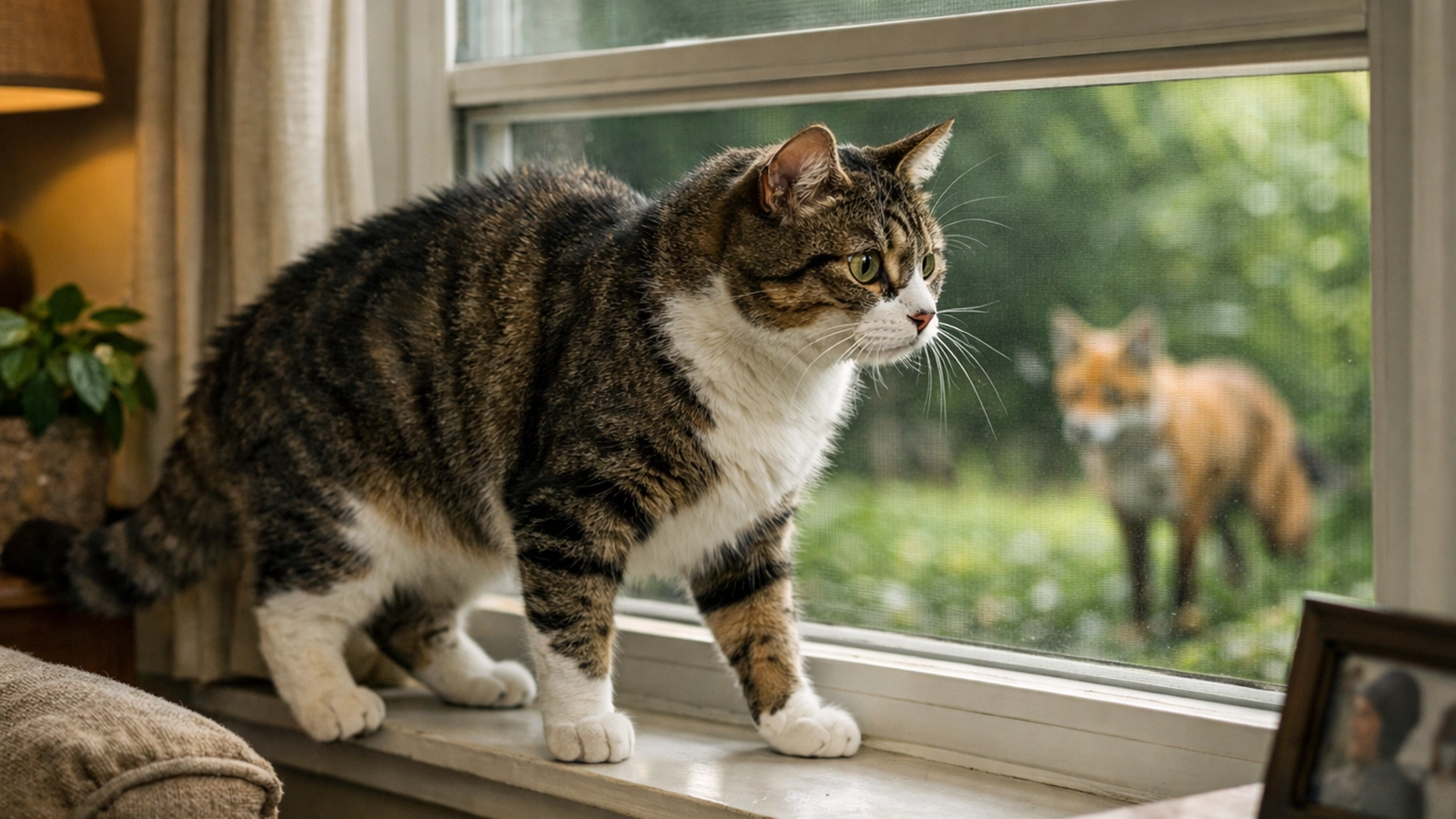
In these moments, your cat isn’t reacting to you.
You’re simply nearby when emotional pressure spills over.
Attempting to soothe or restrain a cat during redirected aggression often escalates the situation instead of calming it.
Overstimulation: When Affection Becomes Too Much
Some cats enjoy physical contact—until they suddenly don’t.
Overstimulation occurs when sensory input crosses a cat’s tolerance threshold. What starts as pleasant petting can quickly become overwhelming.
Early warning signs often include:
-
rapid tail flicking
-
rippling skin along the back
-
ears rotating backward
-
sudden muscle tension
When these signals are missed, swats or bites can feel abrupt, even though the cat was communicating discomfort all along.
Ending interactions before irritation builds preserves trust and prevents escalation 💡.
Environmental Stressors Inside the Home
Cats experience their surroundings with intense sensitivity.
Small changes that feel insignificant to humans can register as major disruptions to a cat’s sense of safety.
Common household stressors include:
-
rearranged furniture
-
new scents from cleaners or candles
-
construction noise or vibrations
-
overnight guests
-
changes in daily schedule
Stress often accumulates quietly.
Aggression appears when that pressure finally overflows.
Early Signals You Should Never Ignore
Aggression rarely comes without warning.
Learning to recognize early stress signals is one of the most effective tools a cat owner can develop:
✔️ sudden freezing
✔️ hard, focused staring
✔️ rapid tail movements
✔️ flattened ears
✔️ tense, crouched posture
When these signs appear, creating space—not correcting behavior—is the safest response.
When Aggression Appears at Night 🌙
For many cat owners, aggressive behavior feels even more unsettling when it happens after dark.
Nighttime aggression often shows up as sudden swats, biting during movement through the house, or heightened irritability paired with pacing or vocalizing. This isn’t random. Cats are biologically wired for activity during dawn and dusk, and when their physical or mental needs aren’t fully met during the day, that energy resurfaces at night.
Restlessness builds. Tolerance drops.
Many owners begin to notice patterns once they step back and recognize how nighttime agitation, sudden outbursts, or heightened sensitivity often mirror the same unmet stimulation and emotional tension seen in excessive nocturnal vocal behavior.
Understanding how these late-night reactions connect to broader patterns of restlessness can be especially helpful when exploring why some cats struggle to settle after dark.
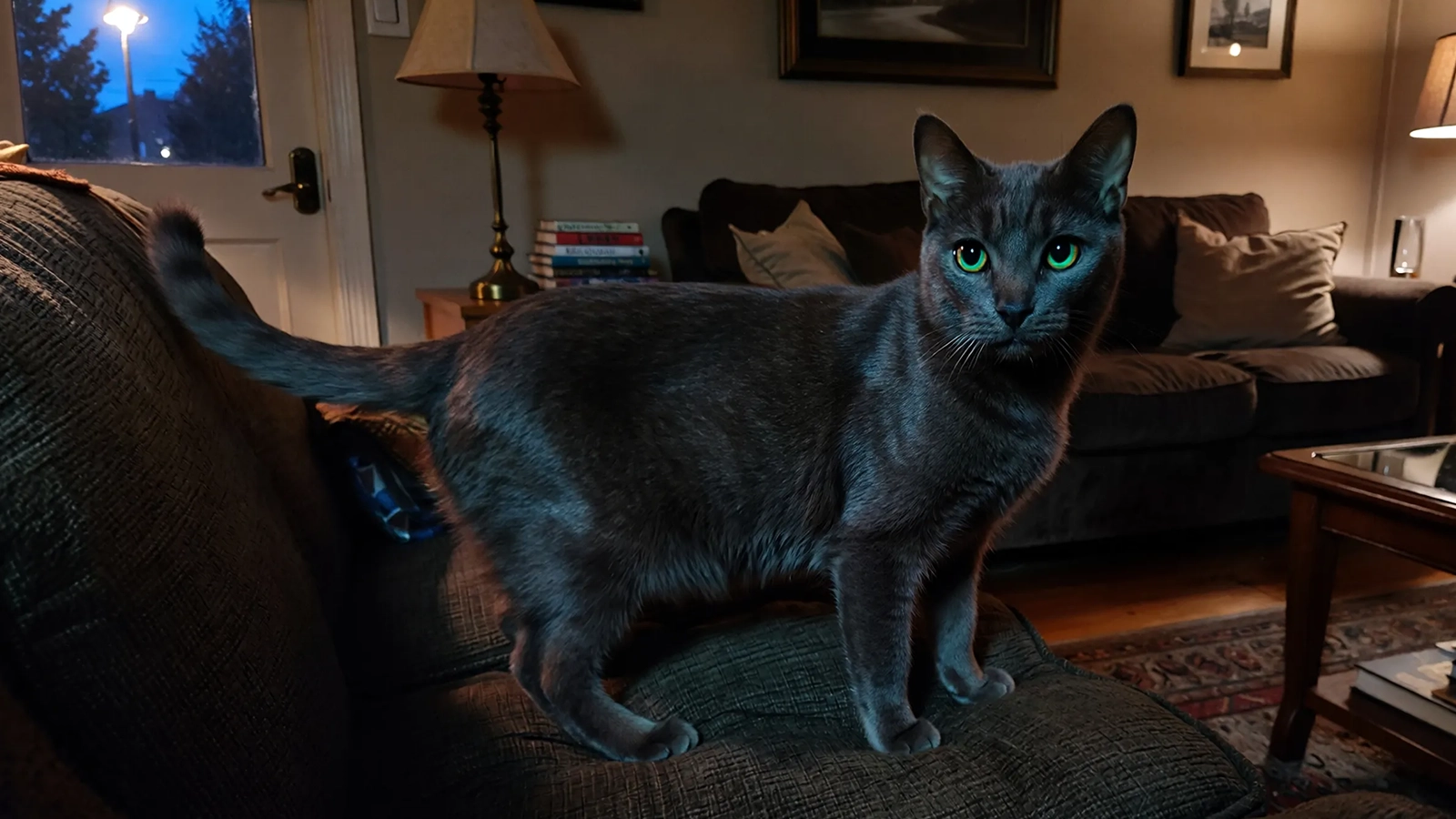
Predictable evening routines, interactive play earlier in the day, and calm transitions toward nighttime can dramatically reduce these episodes.
What to Do in the Exact Moment Aggression Happens
When aggression surfaces, instinct often pushes people to react quickly. Unfortunately, many common reactions escalate the situation.
The goal in the moment is de-escalation, not discipline.
Helpful immediate responses include:
-
stopping movement toward your cat
-
turning your body slightly sideways
-
avoiding direct eye contact
-
lowering your voice—or staying silent
-
allowing a clear escape route
Stillness communicates safety.
Chasing, grabbing, or cornering communicates threat.
Even cats who are usually affectionate can escalate rapidly if they feel trapped.
The First Hours After an Aggressive Incident
What happens after the incident often determines whether aggression becomes a recurring pattern or fades away.
Give Space Without Withdrawing
Your cat doesn’t need isolation as punishment.
They need control.
Allow them to choose:
-
when to re-enter shared spaces
-
when to approach
-
how close feels comfortable
This restores emotional balance and lowers stress hormones.
Restore Predictability at Home 🏠
Cats regulate stress through routine.
In the hours following aggression:
-
feed at the usual time
-
keep lighting soft
-
reduce household noise
-
avoid introducing new stimuli
Consistency sends a powerful message: the environment is safe again.
Rebuilding Trust Without Pressure 💛
Trust doesn’t rebuild through forced affection.
It rebuilds through respect and predictability.
Let Your Cat Set the Pace
Positive signs include:
-
resting nearby without tension
-
slow blinking
-
relaxed posture
-
choosing proximity voluntarily
Respond gently and keep interactions brief at first.
Create Calm Associations
You want your presence to predict safety again.
Helpful techniques:
-
tossing treats without approaching
-
sitting quietly in the same room
-
speaking softly during neutral moments
No staring.
No looming.
Just coexistence.
Long-Term Prevention Starts With Meeting Core Needs
Aggression prevention isn’t about control.
It’s about anticipation.
Daily Energy Release 🐾
Unspent energy often turns into irritability.
Aim for:
-
two to three short interactive play sessions daily
-
wand toys that mimic prey movement
-
ending play with food to complete the hunt–eat–rest cycle
This mirrors natural feline behavior and reduces frustration.
Mental Enrichment Matters 🧠
Boredom is a silent stressor.
Consider adding:
-
puzzle feeders
-
rotating toys
-
window perches
-
vertical climbing spaces
A mentally engaged cat is far less reactive.
Predictable Routines Reduce Anxiety
Cats don’t need rigid schedules, but they do need consistency.
Stable feeding times, play windows, and quiet periods help regulate emotional thresholds and prevent overload.
Aggression in Multi-Cat Homes
Even cats who have lived together peacefully for years can experience sudden conflict.
Common triggers include:
-
one cat returning from the vet with unfamiliar scents
-
illness or aging changing household dynamics
-
competition for resources
Aggression here is usually about security, not rivalry.
Resource Distribution Checklist ✔️
-
one litter box per cat plus one extra
-
multiple feeding stations
-
separate resting areas
-
more than one scratching surface
When resources feel scarce, tension rises—often subtly at first.
When Professional Support Is the Right Step 🩺
Some situations benefit from expert guidance.
Consider outside help if:
-
aggression escalates or becomes frequent
-
injuries occur
-
behavior changes are sudden and severe
-
you feel unsafe in your own home
A veterinary exam should always come first to rule out pain.
If medical causes are excluded, a qualified feline behavior professional can help identify patterns and design a humane plan.
Looking at Patterns Instead of Isolated Moments
Aggression rarely exists in isolation.
It often overlaps with:
-
anxiety
-
sleep disruption
-
sensory overload
-
communication breakdowns
When owners begin viewing aggression as part of a broader communication system—rather than a single bad behavior—long-term progress becomes possible.
Understanding the Emotional Layer Behind Aggression
Aggression is rarely just about the moment it happens.
Beneath the visible behavior lies an emotional layer shaped by past experiences, current comfort levels, and how safe your cat feels navigating daily life. When those emotional foundations weaken, behavior becomes louder.
Cats that feel emotionally balanced tend to recover faster from stress. Cats that feel uncertain remain on edge longer—and aggression becomes their way of keeping control.
Recognizing this emotional context shifts the focus from stopping behavior to supporting stability.
How the Home Environment Influences Aggressive Behavior
A cat’s environment is not just a backdrop—it actively shapes behavior.
Noise levels, lighting, traffic patterns in the home, and access to quiet retreat spaces all influence how quickly stress builds. This is especially true for older cats or those with declining tolerance to stimulation.
Subtle adjustments can make a meaningful difference:
-
creating predictable quiet zones
-
limiting sudden environmental changes
-
offering elevated resting spots away from activity
-
ensuring easy access to essentials without competition
[IMAGE #5 HERE]
Alt-text: senior cat resting calmly in a quiet, stress-free home environment
AI Image Prompt: senior domestic cat resting peacefully in a calm indoor environment, soft natural lighting, cozy and uncluttered home setting, sense of safety and comfort, realistic pet photography, warm emotional tone, North American home interior
When Aggression Is a Form of Communication
Aggression often emerges when communication feels ineffective.
Cats communicate constantly through posture, movement, spacing, and subtle changes in behavior. When those signals are misunderstood—or ignored—physical reactions become louder by necessity.
Many long-term improvements begin when owners step back and learn to interpret aggression as part of a broader communication pattern, similar to how creating a calmer, more predictable home environment helps sensitive or aging cats feel understood rather than overwhelmed.
This shift in perspective reduces frustration on both sides and opens the door to lasting change.
A Gentle Truth Every Cat Owner Should Hear
Your cat is not broken.
You didn’t fail.
And this situation is not permanent.
Sudden aggression doesn’t define who your cat is—it reflects a moment where something felt unmanageable. When that message is met with curiosity instead of fear, structure instead of punishment, and patience instead of force, behavior begins to soften.
Change rarely arrives all at once.
It shows up quietly:
-
shorter recovery times after stress
-
fewer warning signals
-
a willingness to stay nearby instead of retreating
Those small shifts are signs that trust is rebuilding.
A Warm Closing Thought 🐾✨
Cats don’t ask for much—but what they do need, they need deeply.
They need to feel safe in their own space.
They need routines they can rely on.
They need their boundaries respected, even when those boundaries evolve with age, health, or stress.
When these needs are met consistently, aggression often loses its purpose. What once felt confusing or frightening begins to soften into caution, then understanding.
Listening closely, responding kindly, and allowing progress to unfold at your cat’s pace doesn’t just reduce conflict—it strengthens the bond you share.
You’re not working against your cat.
You’re learning with them.
And when that understanding settles in, many relationships don’t just recover—they grow calmer, deeper, and more trusting than before. 💛